Securing Maize Denver Reservations: Hard to Get Seats and Dining Strategies
Securing a table at Denver’s most competitive culinary destinations requires more than just a passing interest in good food—it demands precise timing and strategic planning. With the Mile High City’s dining landscape gaining serious national prestige, securing maize denver reservations has quickly become one of the most sought-after achievements for local food enthusiasts and visiting travelers alike. Following the explosive success of Alma Fonda Fina, Chef Johnny Curiel’s latest deep dive into heirloom corn and Mexican heritage cooking represents a major milestone in the city’s culinary evolution. The venue captures the momentum of contemporary Mexican cuisine, where ancient nixtamalization techniques meet refined tasting menu formats.
Understanding how to book exclusive restaurants in fast-growing food capitals like Denver means navigating high-demand reservation platforms, understanding seat release schedules, and keeping a close eye on industry trends. As Denver Michelin Guide spots continue to elevate the city’s global profile, knowing the subtle tricks for hard to get restaurant seats can transform a stressful planning process into a seamless evening out. From setting automated calendar alerts to understanding prime seating shifts, a well-planned strategy is essential for anyone hoping to experience this extraordinary heirloom corn tasting menu.
       MAIZE DENVER RESERVATION DASHBOARD
+-----------------------+----------------------------------+
| Release Schedule      | Monthly (typically 1st of month) |
| Primary Platform      | Resy / OpenTable                 |
| Peak Demand Window    | 6:30 PM - 8:30 PM (Thu - Sat)    |
| Best Alternative      | Bar Seating / Walk-in Lineup     |
| Recommended Lead Time | 30 to 45 Days Ahead              |
+-----------------------+----------------------------------+
The Rise of Chef Johnny Curiel and Denver’s Heirloom Corn Movement
Denver’s fine dining identity has shifted dramatically over the past few years, moving away from classic steakhouse tropes toward deeply personal, ingredient-driven storytelling. At the forefront of this transformation is Chef Johnny Curiel. Having spent years honing his craft across acclaimed kitchens and making a massive impact with Alma Fonda Fina, Curiel has redirected the spotlight toward Mexico’s foundational crop: heirloom corn. His culinary approach celebrates the depth, history, and terroir of native maize varieties imported directly from smallholder farmers across Mexico.
This culinary ethos is about celebrating ancient agricultural traditions through modern technique. By establishing a dedicated space focused on nixtamalization—the ancient process of soaking corn in an alkaline solution—the kitchen unlocks incredible flavors, aromas, and nutritional value that mass-produced corn products simply cannot replicate. Guests are invited to experience corn not merely as a side dish or simple tortilla, but as the structural hero of an expansive tasting menu. It is precisely this intense dedication to craft that keeps demand high and turns every available seat into prized real estate.
Ancient Grain to Table: The Nixtamalization Process
[Landrace Mexican Corn] ➔ [Alkaline Cook & Steep] ➔ [Volcanic Stone Grind] ➔ [Fresh Masa Creation]
Neighborhood Context: Navigating Denver’s Flourishing Dining Districts
Understanding where a flagship restaurant fits into the broader urban environment offers crucial context for prospective diners. Denver’s dining scene thrives within distinct neighborhood pockets, each bringing its own character, energy, and foot traffic.
The RiNo Art District (River North): Known for industrial-chic spaces, street art, and high-energy culinary labs. It attracts an adventurous, trend-focused crowd.
Cherry Creek North: Refined, walkable, and polished. Ideal for upscale multi-course dinners, luxury boutiques, and post-dinner cocktail lounges.
LoHi (Lower Highlands): Packed with creative eateries and skyline views, making it a bustling center for weekend dining and nightlife.
LoDo and Union Station: The historic heart of the city, blending heritage architecture with grand hotel bars and destination dining.
Locating a high-profile culinary concept within these active districts shapes the overall night out. Surrounding blocks are often filled with craft cocktail bars, artisanal coffee shops, and boutique hotels, making it easy to build a full evening around your dining reservation. Arriving in the neighborhood early not only alleviates parking logistics in busy districts like RiNo or Cherry Creek, but also allows you to soak in the local street-level atmosphere before stepping into the dining room.
Decoding the Heirloom Corn Tasting Menu Experience
The central attraction of this concept is an immersive multi-course progression that elevates humble ingredients into complex, memorable creations. While specific offerings evolve based on micro-seasons and agricultural availability, the core structure remains anchored in fresh masa preparation and wood-fired cooking techniques.
          HEIRLOOM MASA PROGRESSION
   [Course 1: Delicate Tetela or Infladita]
                     │
                     ▼
  [Course 2: Seared Seafood with Masa Emulsion]
                     │
                     ▼
[Course 3: Slow-Roasted Protein with Complex Mole]
                     │
                     ▼
  [Course 4: Sweet Masa & Heritage Grain Dessert]
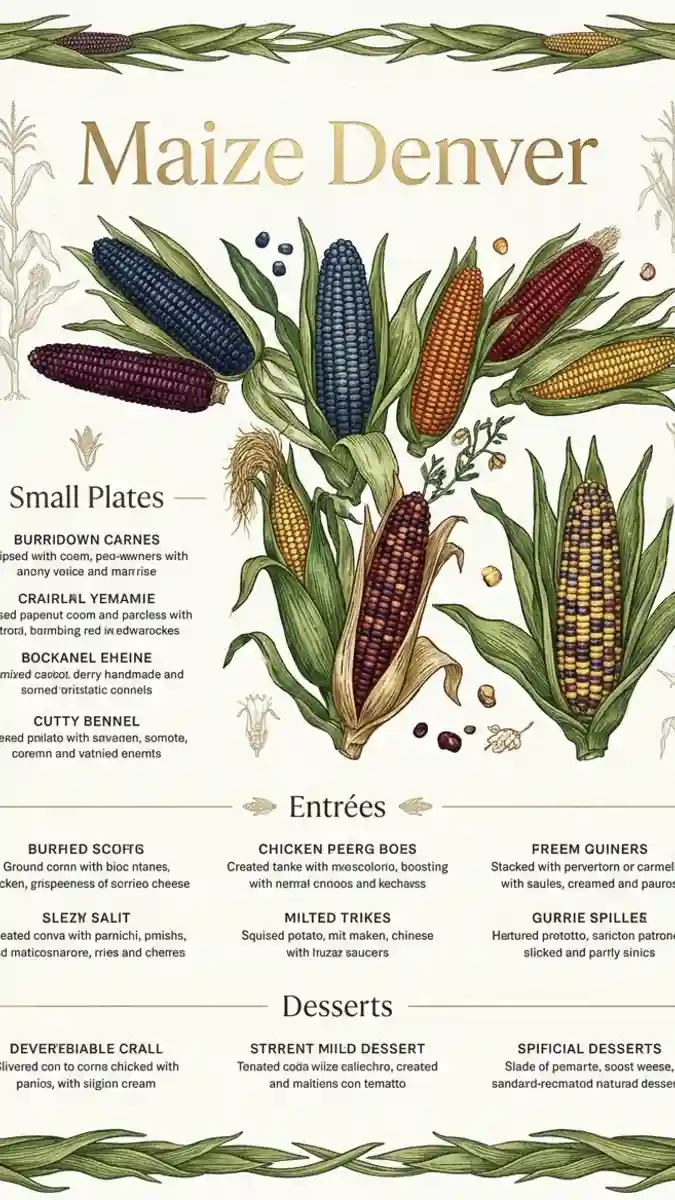
A typical tasting menu journey highlights the remarkable diversity of landrace corn shades—from deep blue and purple Oaxaca varieties to vibrant yellow and rosy pink kernels. Each variety brings distinct flavor profiles, ranging from earthy and nutty to sweet and floral.
Key Culinary Highlights
Nixtamalized Snack Progression: Delicate opening bites such as crispy infladitas or delicate tetelas filled with seasonal botanicals and house-made cheeses.
Seared Seafood with Masa Emulsions: Fresh ocean cuts paired with smooth, stone-ground corn purees, brightened with pickled chilies and native herbs.
Slow-Roasted Meats and Moles: Rich, wood-grilled proteins accompanied by complex, long-simmered moles that draw depth from roasted corn husks and toasted seeds.
Heritage Corn Desserts: Masa-infused custards, toasted corn ice creams, and delicate pastries that highlight the natural sweetness of non-GMO landrace grains.
Menu Variability Note: Menus across modern high-end kitchens change periodically to reflect ingredient availability and farm harvests. Dishes described reflect the restaurant’s core culinary style rather than a fixed year-round offering.
Essential Booking Strategies for Hard to Get Restaurant Seats
Securing a spot at top-tier Denver Michelin Guide spots requires a systematic approach. High-demand venues often sell out their monthly or weekly table releases within minutes. Implementing a few tactical habits significantly increases your chances of getting a table.
      RESERVATION TIMELINE & ACTION PLAN
[30 Days Prior]  ➔ Create platform account & save payment info
[Release Morning]➔ Log in 5 minutes early; sync clock to precise second
[1 Minute After] ➔ Target early or late shifts (5:00 PM or 9:15 PM)
[If Sold Out]    ➔ Set instant notify alerts & monitor same-day cancels
1. Master Platform Timing
Most high-end Denver restaurants manage inventory through primary reservation platforms like Resy or OpenTable. Find out the exact day and time new booking windows open—often the first day of the month or a rolling 30-day window at midnight or 10:00 AM. Set alarm reminders five minutes prior, ensure your credit card details are pre-saved, and refresh right on the second.
2. Target Off-Peak Hours and Party Sizes
Flexibility is your best advantage. prime-time tables for two between 6:30 PM and 8:00 PM on Friday or Saturday are the absolute hardest to secure. Consider booking a 5:00 PM early seating or an 8:45 PM late dinner. Additionally, tables for two or four fill instantly, whereas solo dining or booking for a group of three can sometimes yield unexpected openings.
3. Leverage Cancellation Alerts
Plans change constantly, especially in busy cities. Set automated notify alerts on your booking app for multiple dates and times. Cancellations frequently occur 24 to 48 hours in advance as guests hit the deadline to cancel without incurring late fees. Keep your phone handy to grab these pop-up openings immediately.
4. Explore Bar Seating and Walk-in Opportunities
Many luxury establishments keep a limited number of counter or bar seats open for walk-in guests. Arriving 15 to 20 minutes before the doors open for the evening service gives you a great shot at securing a full dining menu experience at the bar without a prior reservation.
+------------------------------------------------------------------+
|               DENVER FINE DINING BOOKING MATRIX                  |
+-------------------+----------------------+-----------------------+
| Strategy          | Success Probability  | Required Effort       |
+-------------------+----------------------+-----------------------+
| Release Day Drop  | High                 | High (Precise Timing) |
| Cancellation Notify| Medium-High         | Low (Passive Waiting) |
| Walk-in Bar Line  | Medium               | Medium (Early Arrival)|
| Off-Peak Times    | High                 | Low (Flexibility)     |
+-------------------+----------------------+-----------------------+
Beverage Pairings: Agave Spirits, Low-Intervention Wines, and Botanical Cocktails
A thoughtfully curated drink program is essential to any fine dining tasting menu, and Mexican-inspired concepts offer particularly exciting pairing possibilities. Rather than relying solely on traditional wine lists, the beverage strategy here leans heavily into small-batch agave spirits, artisanal mezcals, and low-intervention wines.
        BEVERAGE PAIRING ARCHITECTURE
┌───────────────────┬─────────────────────────────────┐
| Agave Flight      | Ancestral & Artisanal Mezcals   |
├───────────────────┼─────────────────────────────────┤
| Natural Wine      | High-Altitude Mexican & Coastal |
├───────────────────┼─────────────────────────────────┤
| Zero-Proof        | Fermented Tepache & Botanicals  |
└───────────────────┴─────────────────────────────────┘
Ancestral Mezcal & Tequila: Single-estate agave distillates sourced from master mezcaleros across Oaxaca, Jalisco, and Durango. These spirits showcase complex smoky, earthy, and floral notes that complement wood-fired masa.
Low-Intervention and Heritage Wines: A focused selection highlighting natural, biodynamic, and organic wines. High-altitude bottles from Mexico’s Valle de Guadalupe, alongside crisp European whites, provide bright acidity that cuts through rich moles.
Zero-Proof Fermentations: Non-alcoholic options receive equal care, featuring house-fermented tepache, agua frescas infused with native herbs, and chilled roasted-corn teas.
Comparing Denver’s Exclusive Table Landscape
To understand why this heirloom corn concept draws such intense interest, it helps to see how it sits alongside Denver’s wider landscape of exclusive tables.
+---------------------+-----------------------+------------------------+
| Venue Concept       | Primary Focus         | Dining Format          |
+---------------------+-----------------------+------------------------+
| Heirloom Corn Spot  | Masa & Mexican Roots  | Focused Tasting Menu   |
| Classic Steakhouse  | Aged Beef & Seafood   | A la Carte / Shared    |
| Modern European     | Seasonal Local Produce| Multi-Course Fixed Price|
| Japanese Omakase    | Raw Fish & Rice Craft | Chef's Counter Only    |
+---------------------+-----------------------+------------------------+
While traditional high-end venues in the city emphasize classic European techniques or premium cuts of meat, Curiel’s approach centers entirely on micro-regional Mexican heritage. It offers a more intimate, story-driven alternative to sprawling fine dining spaces, appealing directly to curious diners who value deep culinary provenance alongside refined hospitality.
Practical Information for Planning Your Visit
To ensure a smooth and enjoyable dining experience, keep these practical logistics in mind when booking your visit:
Ideal Audience: Perfect for adventurous culinary travelers, romantic celebrations, and food lovers eager to explore modern Mexican gastronomy.
Dress Code: Smart casual to elevated evening wear. Denver maintains a relaxed atmosphere, but upscale dining rooms warrant a polished appearance.
Dietary Accommodations: Due to the specialized nature of tasting menus, notify the kitchen of any severe allergies or dietary restrictions at least 48 hours prior to your reservation.
Pacing and Duration: Expect a multi-course tasting experience to last roughly two to two-and-a-half hours. Plan your transportation accordingly.
Cancellation Policies: Most high-demand Denver spots enforce a strict cancellation policy (typically $25–$50 per person) if canceled within 24 to 48 hours of the reservation time.
Securing a seat at one of Denver’s premier dining spots requires a bit of patience, but the reward is an unforgettable meal that celebrates agricultural tradition and culinary innovation. By understanding the booking rhythms and staying flexible with your schedule, you can experience firsthand how Chef Johnny Curiel is reshaping Colorado’s culinary landscape, one kernel of heirloom corn at a time.
Source Context and Data Notes
Information Sources: Compiled from general culinary industry practices, public reservation system mechanics, local Denver dining news, and widely documented trends in contemporary Mexican gastronomy and fine dining.
Scope and Limitations: Specific menu items, pricing structures, and exact reservation rules change frequently. Details reflect overall culinary philosophy, standard dining room practices, and typical industry scheduling.
Generalization Note: Neighborhood insights and reservation strategies are drawn from broader fine dining operational standards across major metropolitan dining markets.