Anantara Hotels: Experience Authentic Experiential Luxury
Travelers seeking meaningful escapes often find that traditional five-star accommodations fall short of capturing a destination’s true spirit. Founded in Thailand in 2001, Anantara Hotels, Resorts & Spas has built its reputation on bridging this exact gap. The brand name derives from an ancient Sanskrit word meaning “without end,” symbolizing a freedom of movement and hospitality that connects guests directly to local culture.
Today, the Anantara Hotels portfolio spans more than 50 luxury properties across Asia, the Middle East, Europe, Africa, and South America. Rather than replicating a uniform corporate design worldwide, each resort acts as an architectural reflection of its immediate surroundings. Whether nestled in ancient teak forests, positioned on private island lagoons, or housed inside restored 19th-century European palaces, the brand prioritizes indigenous immersion alongside high-end hospitality.
The Core Philosophy Behind Anantara Hotels
Modern luxury travel has shifted noticeably toward authentic cultural engagement and personal wellness. Based on available brand frameworks, Anantara Hotels centers its hospitality model around three primary pillars: indigenous roots, curated expertise, and unpretentious luxury.
┌─────────────────────────────────────────────────────────┐
│              ANANTARA BRAND PILLARS                     │
├───────────────────┬─────────────────┬───────────────────┤
│  Indigenous Roots │ Curated Expertise│ Authentic Luxury │
│   Local design &  │ Tailored excursions │ Sustainable comfort│
│   cultural heritage│ & immersive dining │ & understated decor│
└───────────────────┴─────────────────┴───────────────────┘
The property designs incorporate native materials, regional motifs, and historical layouts. Local artisans, historians, and chefs are frequently engaged to shape the guest journey. Instead of isolating visitors inside a luxurious bubble, the retreats use localized activities—such as traditional cooking classes or heritage site tours—to encourage genuine discovery.
Signature Global Destinations and Settings
The geographical diversity of Anantara Hotels allows travelers to experience distinct ecosystems and cultural landscapes without sacrificing service standards.
Desert & Mountain Sanctuaries: Properties like Qasr Al Sarab Desert Resort in Abu Dhabi’s Empty Quarter feature fortress-style architecture surrounded by massive sand dunes. High in Oman’s Hajar Mountains, Anantara Al Jabal Al Akhdar Resort sits at an altitude of 2,000 meters above sea level, offering canyon views and cool mountain air.
Tropical & Coastal Retreats: In the Maldives, Anantara Kihavah provides overwater pool villas within a UNESCO Biosphere Reserve. Meanwhile, properties along Thailand’s coastline—such as Anantara Mai Khao Phuket—utilize private pool villas built around quiet lotus lagoons.
Historic European Palaces: Recent developments in Europe have brought the brand to iconic urban centers. Anantara Palazzo Naiadi Rome Hotel overlooks ancient Roman baths, while Anantara New York Palace Budapest restores Belle Époque grandeur, complete with the famous historic New York Café.
Architectural Character and Accommodation Styling
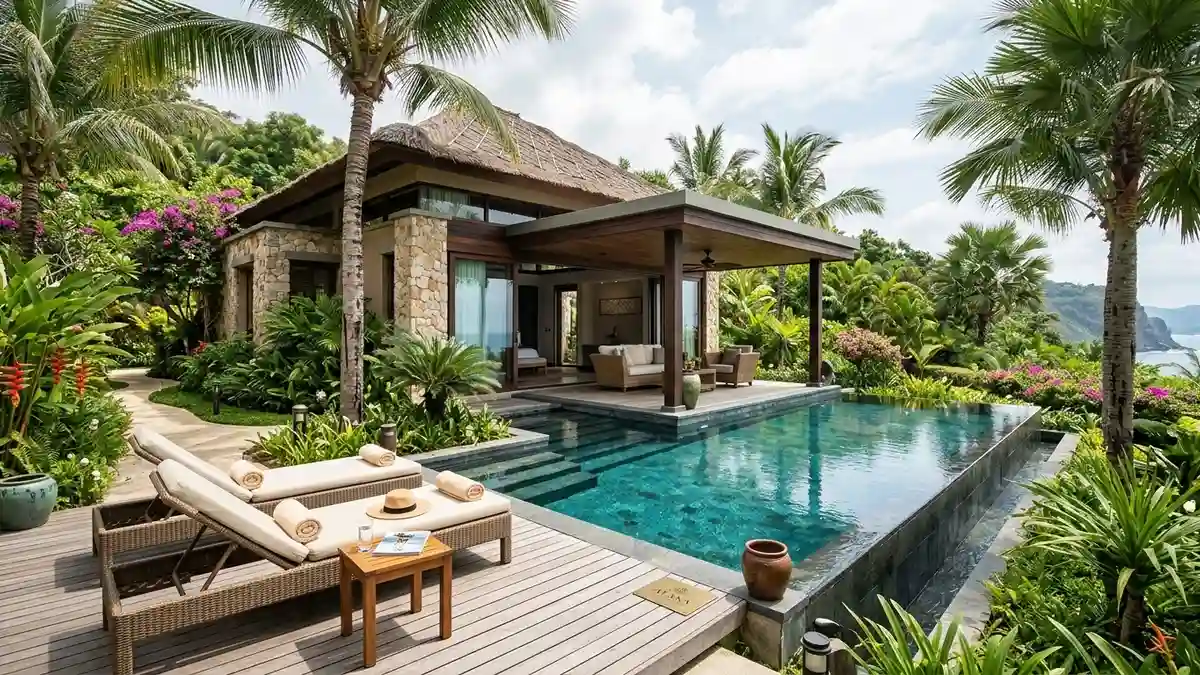
Accommodations within Anantara Hotels are designed to offer a strong sense of place while prioritizing spatial privacy. Suites and standalone pool villas frequently feature open-air living areas, private plunge pools, and expansive outdoor decks framed by indigenous flora or scenic vistas.
Interior aesthetics balance modern technical conveniences with artisanal craftsmanship. Guests typically find hand-carved woodwork in Southeast Asian locations, intricate stonework across Middle Eastern resorts, or restored original frescoes and marble finishes within European properties. Large glass doors and floor-to-ceiling windows are standard features, maximizing natural light and framing the surrounding geography.
| Region | Featured Property | Key Architectural & Setting Highlight |
| Middle East | Qasr Al Sarab (UAE) | Ancient fort aesthetic amidst rolling orange sand dunes |
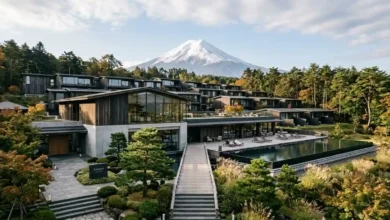
| Southeast Asia | Anantara Chiang Mai (Thailand) | Modern minimalist lines combined with heritage Thai teak wood |
| Europe | Anantara Plaza Nice (France) | Rejuvenated 19th-century Belle Époque facade on the Côte d’Azur |
| Indian Ocean | Anantara Kihavah (Maldives) | Suspended overwater villas situated inside a UNESCO reserve |
Culinary Heritage and Dining Concepts
Dining is a central element of the guest experience at Anantara Hotels. Rather than relying strictly on standard international menus, the culinary teams focus heavily on regional recipes and fresh, locally sourced ingredients.
               ┌─────────────────────────────────────┐
               │    ANANTARA CULINARY PROGRAM        │
               └──────────────────┬──────────────────┘
                                  │
         ┌────────────────────────┼────────────────────────┐
         ▼                        ▼                        ▼
┌──────────────────┐    ┌──────────────────┐    ┌──────────────────┐
│  Spice Spoons    │    │  Dining by Design│    │ Undersea & Specialty │
│ Interactive local│    │ Tailored private │    │ Unique settings  │
│ cooking classes  │    │ setup & customized│    │ like ocean-floor │
│ & market visits  │    │ multi-course menus│    │ or clifftop venues│
└──────────────────┘    └──────────────────┘    └──────────────────┘
A core element found across most properties is Spice Spoons, an interactive cooking school concept. Guests accompany resident chefs to local morning markets to select fresh produce and spices before learning traditional culinary techniques step-by-step.
Additionally, the brand’s bespoke Dining by Design program allows guests to create customized dining moments in private settings—such as a candlelit table on a deserted sandbank, a private canyon viewpoint, or a quiet corner of a historic garden. Specialty venues, including underwater restaurants like SEA at Anantara Kihavah, provide distinct dining contexts that highlight the resort’s natural environment.
Holistic Wellness and Anantara Spa Rituals
The Anantara Spa framework is integral to the brand identity, drawing heavily on traditional healing arts native to Thailand and Southeast Asia alongside local wellness customs.
Hydrotherapy facilities, outdoor massage salas, and dedicated hammams are tailored to individual property settings. Treatment menus commonly feature natural, locally gathered ingredients—such as fresh coconut, indigenous spices, volcanic stone, or rosewater extracts.
Complementing traditional spa treatments, wellness programming frequently includes sunrise yoga, meditation sessions led by practitioner instructors, and structured multi-day detox or fitness routines.
Signature Experiences and Amenities
At a Glance: Key Brand Experiences
Spice Spoons Cooking Academy: Market tours and hands-on regional culinary lessons.
Dining by Design: Tailored private culinary setups in scenic or remote locations.
Anantara Spa: Signature therapies combining Thai bodywork with regional wellness customs.
GHA Discovery Loyalty Integration: Member benefits and experience rewards across the global portfolio.
Ecological Stewardship: Conservation efforts ranging from elephant protection camps in Thailand to marine turtle protection in the Maldives.
Travel Planning, Seasonality, and Guest Suitability
Understanding how to choose the right Anantara Hotels property depends largely on travel style, destination seasonality, and overall trip goals.
Target Traveler Profiles
Couples & Honeymooners: Secluded pool villas, private island stays, and bespoke dining options make island or desert properties ideal for romantic trips.
Families: Many coastal resorts feature dedicated kids’ clubs, multi-bedroom villas, and supervised water sports, offering family-friendly luxury.
Culture & Heritage Enthusiasts: European city properties and Asian heritage resorts offer quick access to historical landmarks, museums, and local markets.
Seasonal Recommendations
Planning around regional travel seasons ensures optimal weather and local experiences. For instance, visits to Thailand’s northern retreats align well with the cooler winter months (November to February), while desert stays in the Middle East are best enjoyed between October and April. Traveling during shoulder seasons often yields pleasant weather alongside quieter resort environments.
Stay sharp with Feast and Rest.
Source and Data Limitations
Primary Sources: Information drawn from official Anantara Hotels portfolio documentation, global hospitality industry summaries, and public property listings.
Pipeline & Project Limitations: Details regarding upcoming developments (such as future openings in South America or Saudi Arabia) are based on current announcements and remain subject to construction schedules or opening date adjustments.
Operational Variations: Specific amenities, restaurant concepts, and spa offerings can vary across individual properties based on local management and regional seasonality.
Excluded Claims: Speculative room rates, unconfirmed expansion plans, or unverified promotional offers were intentionally excluded to maintain factual accuracy.