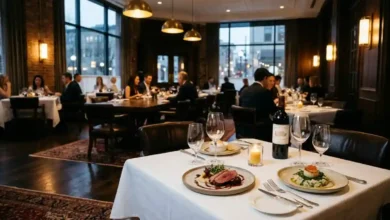
Introduction: Why Chicago Remains a Global Culinary Capital
Chicago has long held a distinct position in global gastronomy. Unlike coastal destinations that often pivot toward strict minimalism, the Midwestern capital balances technical precision with warmth, generous hospitality, and deep neighborhood identity. From the historic brownstones of Lincoln Park to the converted industrial spaces of the West Loop, the city’s food culture is defined by relentless innovation and deep community roots.
Navigating this dynamic landscape requires a clear strategy, particularly as demand for seats at top-tier venues remains exceptionally high. Whether you are aiming to secure hard-to-find tables or curated tasting menus, a well-planned chicago fine dining itinerary allows travelers to experience both established legends and groundbreaking newcomers in a single trip.
In 2026, the dining scene continues to evolve rapidly. The arrival of acclaimed culinary talent, such as chef Brian Lockwood embarking on a new restaurant venture in the city, underscores Chicago’s magnetic pull for international hospitality leaders. Meanwhile, modern staples like Kasama in Ukrainian Village continue to redefine how fine dining intersects with traditional heritage, drawing global travelers seeking unique tasting experiences.
Planning a weekend around these culinary destinations demands careful preparation. Understanding neighborhood movement, booking timelines, and menu structures ensures that your journey through the city’s finest dining rooms is both seamless and extraordinary.
                    CHICAGO FINE DINING MAP
+--------------------------------------------------------------+
| UPSTAIRS AT KASAMA                                           |
| (Ukrainian Village) - Modern Filipino Tasting Menu           |
+--------------------------------------------------------------+
                               |
                               v
+--------------------------------------------------------------+
| WEST LOOP / RANDOLPH STREET CORRIDOR                         |
| Michelin Stars, Progressive American & New Chef Projects     |
+--------------------------------------------------------------+
                               |
                               v
+--------------------------------------------------------------+
| RIVER NORTH & GOLD COAST                                     |
| Gingie, Classic Luxury & Premier Beverage Programs           |
+--------------------------------------------------------------+
The West Loop & River North: Center of Gravity
To understand contemporary luxury travel Chicago dining, one must begin where the city’s culinary renaissance solidified: the West Loop and River North. Decades ago, the West Loop was primarily a meatpacking district defined by wholesale warehouses and heavy transport. Today, Randolph Street and Fulton Market serve as the city’s premier dining corridors, housing some of the most celebrated kitchens in North America.
River North, situated just across the Chicago River from the Loop, offers a distinct contrast. Characterized by high-rise architecture, historic brick structures, and vibrant nightlife, it stands among the River North best restaurants districts for classic, high-end hospitality. Here, grand dining rooms meet sophisticated cocktail lounges, making it an essential anchor for any evening out.
West Loop Character: Industrial-chic aesthetic, high-energy dining rooms, tasting-menu innovation, and chef-centric concepts.
River North Character: Polished hospitality, historic architectural settings, upscale steakhouses, and global fine dining.
Neighborhood Synergy: The short distance between these two quarters allows diners to sample pre-dinner cocktails in River North before transitioning to a multi-course tasting menu in Fulton Market.
Understanding how these districts complement each other is vital for building a cohesive schedule. Moving smoothly between early-evening reservations and late-night lounges elevates a standard meal into an immersive urban tour.
Modern Icons: Securing Kasama and Emerging Stars
No modern exploration of Chicago’s food scene is complete without addressing Ukrainian Village, home to Kasama. Founded by chefs Genie Kwon and Timothy Flores, the establishment achieved historic acclaim as the world’s first Filipino restaurant to earn a Michelin star. Operating as a casual bakery by day and an intimate tasting menu venue by night, it represents the shift toward deeply personal, culturally driven fine dining.
Given its international profile, obtaining a seat requires a clear understanding of the Kasama Chicago booking tips that experienced visitors rely upon.
========================================================================
                      KASAMA RESERVATION STRATEGY
========================================================================
[DAYTIME BAKERY SERVICE]          [EVENING TASTING MENU]
• Walk-in service only            • Released 30-90 days in advance
• Arrive 30-45 mins before open   • Requires exact timing on booking platform
• Target mid-week mornings        • Turn on cancellation alerts
========================================================================
Essential Kasama Reservation Guidelines
Understand the Two Identities: Daytime bakery service operates on a first-come, first-served basis, while the evening tasting menu requires advance online bookings.
Monitor Release Calendars: Evening reservations are generally released on a strict rolling schedule (typically 30 to 90 days in advance via digital platforms). Setting reminder notifications for the exact minute slots open is essential.
Leverage Cancellation Alerts: Due to changing travel plans, prime weekend slots frequently open up 24 to 48 hours prior to service. Enabling automatic notify alerts often yields last-minute seats.
Consider Off-Peak Days: Wednesday and Thursday evening services generally offer slightly better availability than Friday or Saturday prime-time slots.
Equally exciting for food enthusiasts is the announcement of high-profile projects across the city, including the anticipated Brian Lockwood new restaurant concept. Lockwood, renowned for his work at legendary multi-starred establishments in New York and Europe, brings technical mastery and refined modern sensibility to Chicago’s evolving landscape. Keeping an eye on these upcoming openings ensures your itinerary captures both established icons and the next chapter of American gastronomy.
Securing High-Demand Tables: Gingie Reservation Guide
Another destination capturing the attention of seasoned gourmets is Gingie. Nestled within Chicago’s high-end dining enclave, securing a table here requires the same methodical approach as the city’s other premier spots. Applying a structured Gingie Chicago reservation guide strategy ensures you won’t miss out on one of the city’s most sought-after seats.
+----------------------------------------------------------------------+
|                     HIGH-DEMAND BOOKING MATRIX                       |
+-------------------+--------------------+-----------------------------+
| RESTAURANT        | KEY FEATURE        | RECOMMENDED ACTION          |
+-------------------+--------------------+-----------------------------+
| Kasama (Evening)  | Modern Filipino    | Book 30+ days out at midnight|
| Gingie            | Contemporary Luxury| Set platform notifications   |
| West Loop Icons   | Multi-Course Fine  | Target early/late seatings  |
+-------------------+--------------------+-----------------------------+
Planning ahead remains the single most critical factor when organizing a multi-day trip. Most top-tier venues utilize automated reservation platforms that release tables at midnight or 10:00 AM local time on specific calendar dates.
Pro Tip: When booking for small groups of two, flexibility with seating times—such as accepting a 5:30 PM or 8:45 PM slot—drastically increases your chances of securing a table at high-demand venues like Gingie or neighboring River North hot spots.
Furthermore, communicating precise dietary preferences during the booking process allows fine dining kitchens to tailor custom multi-course progressions seamlessly.
Culinary Philosophy & Signature Flavors
Chicago fine dining is defined by a refusal to be constrained by traditional European frameworks. While foundational techniques remain rooted in classic French and Italian traditions, the city’s top chefs draw heavy inspiration from East Asian, Southeast Asian, Mexican, and Nordic flavor profiles.
      +-------------------------------------------------------+
      |             CHICAGO CULINARY INFLUENCES               |
      +-------------------------------------------------------+
      | Classic French Technique                              |
      |   ├── Midwestern Agricultural Seasonality             |
      |   ├── East & Southeast Asian Flavor Profiles          |
      |   └── Progressive Fermentation & Preservation         |
      +-------------------------------------------------------+
Midwestern agriculture plays a central role in shaping these seasonal offerings. Chefs maintain direct relationships with farm networks across Illinois, Michigan, and Wisconsin, ensuring that heritage grains, local dairy, and cold-hardy produce dictate seasonal menu shifts.
Key Menu Highlights
Progressive Seafood Interpretations: Combining raw, pristine coastal catches with warm, rich dashi broths or complex fermented chili oils.
Elevated Midwestern Grains: Custom millings of local wheat and rye transformed into intricate pasta courses, sourdoughs, and delicate pastry tuiles.
Heritage Meats & Game: Dry-aged duck, local venison, and prime Midwest beef prepared over hearth fires using native hardwoods like white oak and applewood.
Textured Desserts: Pastry programs that balance savory and sweet elements, leveraging seasonal stone fruits, cultured creams, and floral infusions.
As menus change periodically based on micro-seasons and farm availability, dishes remain fluid. This dynamic approach guarantees that even returning guests encounter fresh interpretations of core kitchen philosophies.
Beverage Programs: Pairings, Cellars, and Zero-Proof
A hallmark of any great chicago michelin star itinerary is a thought-out beverage strategy. Chicago’s sommelier community is widely recognized for curated cellars that balance rare Old World vintages with innovative low-intervention producers.
========================================================================
                    BEVERAGE PROGRAM ARCHITECTURE
========================================================================
[CLASSIC WINE PAIRINGS]     [PRODUCER FOCUS]      [ZERO-PROOF PROGRAM]
• Grand Cru Burgundy        • Small-producer      • House-fermented kombuchas
• Vintage Champagne         • Biodynamic estates   • Botanical cold brews
• Aged Barolo               • Low-intervention     • Clarified fruit teas
========================================================================
Many premier dining rooms now offer tiered wine pairings. Guests can typically choose between a classic cellar pairing featuring benchmark global producers or a reserve pairing highlighting rare museum vintages and limited-production bottlings.
Simultaneously, the city has emerged as a global leader in sophisticated zero-proof beverage pairings. Rather than relying on simple juices or overly sweet sodas, top beverage directors craft complex alcohol-free pairings using house-fermented kombuchas, clarified teas, botanical infusions, and dealcoholized wines. These thoughtful creations elevate the dining experience for every guest, ensuring complete harmony between kitchen and glass.
Crafting the Ultimate Weekend Food Tour
To fully absorb the city’s culinary diversity without burnout, structure is essential. A well-designed chicago weekend food tour checklist balances intense multi-course tasting menus with relaxed neighborhood lunches, architectural walks, and casual exploratory stops.
+----------------------------------------------------------------------+
|                     THREE-DAY CULINARY ITINERARY                     |
+---------------+------------------------------------------------------+
| DAY 1: FRIDAY | • Arrival & check-in in River North                  |
|               | • Aperitifs at a craft cocktail lounge               |
|               | • Multi-course dinner in the West Loop               |
+---------------+------------------------------------------------------+
| DAY 2: SATURDAY| • Morning bakery run in Ukrainian Village (Kasama)  |
|               | • Mid-day architectural tour along the Chicago River |
|               | • Evening fine dining experience at Gingie           |
+---------------+------------------------------------------------------+
| DAY 3: SUNDAY | • Relaxed farm-to-table brunch in Lincoln Park       |
|               | • Afternoon gallery or museum visit                  |
|               | • Farewell dinner featuring hearth-cooked specialties|
+---------------+------------------------------------------------------+
Chicago Weekend Food Tour Checklist
[ ] Pre-Trip Reservations: Lock in high-demand evening tasting menus 30 to 60 days prior to arrival.
[ ] Transit Logistics: Use ride-share services or public transit (CTA elevated trains) between distinct neighborhoods to avoid parking hassles.
[ ] Pacing Strategy: Schedule at most one major multi-course tasting menu per day to prevent palate fatigue.
[ ] Neighborhood Exploration: Allocate daytime hours to walk through historic districts like Ukrainian Village, Logan Square, and Fulton Market.
[ ] Dress Code Verification: Check specific attire guidelines; while Chicago leans welcoming and casual, high-end tasting rooms appreciate smart elegant dress.
Executing this balanced routine guarantees that your tour captures both the refined sophistication of top dining destinations chicago is famous for and the vibrant energy of its local streetscapes.
Gourmet Travel Planning & Practical Advice
Successfully navigating a high-end trip requires attention to subtle operational details. When organizing your gourmet travel planning checklist, timing, seasonality, and location are foundational to a stress-free journey.
+----------------------------------------------------------------------+
|                     TRAVEL PLANNING CONSIDERATIONS                   |
+--------------------+-------------------------------------------------+
| SEASON             | CULINARY FOCUS                                  |
+--------------------+-------------------------------------------------+
| Spring / Summer    | Patio dining, lakefront views, fresh produce    |
| Autumn             | Harvest menus, game dishes, cozy dining rooms   |
| Winter             | Rich braises, truffle season, easier tables     |
+--------------------+-------------------------------------------------+
Seasonality & Timing
Chicago experiences dramatic seasonal changes that directly impact both menu offerings and travel comfort. Summer offers vibrant outdoor dining, river cruises, and patio culture, but brings peak tourist crowds and tough reservations. Winter, while cold, presents a cozy atmosphere where dining rooms spotlight truffles, rich braises, and deep wine lists—often with slightly easier access to prime tables.
Transportation Between Enclaves
While Chicago is a walkable city within specific districts, traveling between neighborhoods like Hyde Park on the South Side, Lincoln Park on the North Side, and the West Loop requires planning. Utilizing ride-share services during peak dinner hours ensures prompt arrivals for strict reservation times.
Budget & Tipping Etiquette
Fine dining tasting menus in Chicago generally range from $175 to $450+ per person before beverage pairings, tax, and service charges. Many top-tier restaurants now apply an automatic service charge (typically 20%) to support equitable wages across both front-of-house and kitchen staff. Always review the final check to clarify included gratuities.
Summary & Closing Reflection
Chicago’s dining scene thrives on its ability to merge high technical standard with accessible, heartfelt hospitality. From the iconic Filipino-inspired tasting menus in Ukrainian Village to the sleek, modern dining rooms of River North and Fulton Market, the city offers an unparalleled spectrum of culinary experiences. By approaching your trip with a clear reservation strategy, an open palate, and an appreciation for neighborhood culture, a weekend spent exploring Chicago’s kitchens will remain a benchmark memory for years to come.
Source Context and Data Notes
Data Sources: Industry culinary trends, published Michelin Guide updates, public reservation window standards, and regional hospitality reports.
Menu Variability: Specific menu mentions represent typical style and dish structures; actual daily offerings shift regularly based on seasonal farm availability and chef discretion.
Generalizations: Booking lead times, pricing tiers, and neighborhood boundaries reflect standard industry practices and are subject to periodic adjustment by individual restaurant management teams.