How GLP-1 Medications Are Reshaping Restaurant Menus
The culinary landscape is undergoing a quiet, fundamental shift. As weight-loss medications like Ozempic, Wegovy, and Zepbound become ubiquitous across major metropolitan centers from New York and London to Dubai and Sydney, the GLP-1 food industry impact has shifted from a speculative trend into a concrete reality for hospitality operators. Guests are entering dining rooms with noticeably changed appetites, seeking lighter options, higher nutrient density, and smaller serving sizes without sacrificing the theater of fine dining.
For chefs and restaurateurs, this shift presents both a challenge and a lucrative opportunity. Rather than watching check averages fall alongside reduced appetites, forward-thinking kitchens are rethinking their approach to course structures and kitchen operations. The result is a new era of restaurant menu strategy in 2026—one characterized by high-protein fine dining, elevated small-plate formats, and meticulously curated portion-control menus designed to deliver maximum flavor intensity in smaller packages.
The Shift in Consumer Dining Habits
The widespread adoption of metabolic medications has altered how diners approach a multi-course meal. Appetite suppression means that large, carb-heavy pastas or oversized prime cuts of beef are increasingly left unfinished, leading guests to feel fatigued by the end of a traditional tasting menu. Based on available information across industry reports, diners on GLP-1 regimens prioritize nutrient-dense ingredients that offer strong satiety, particularly lean proteins and fiber-rich vegetables, while skipping heavy breads and overly sweet desserts.
       TRADITIONAL FINE DINING               2026 GLP-1-AWARE DINING
  ┌─────────────────────────────────┐   ┌─────────────────────────────────┐
  │ • Heavy multi-course tastings   │   │ • Flexible, modular small plates│
  │ • Large protein portions (8-12oz)│  │ • Nutrient-dense focus (4-6oz)  │
  │ • Carb-centric mid-courses      │   │ • Protein-rich, low-glycemic    │
  │ • Fixed, rigid course sequencing│   │ • High-flavor, concentrated bites│
  └─────────────────────────────────┘   └─────────────────────────────────┘
These changing consumer dining habits have forced a re-examination of portion sizes across all dining tiers. Guests are not necessarily looking to spend less money on an evening out; rather, they want their dining experience to align with their modern physiological preferences. They are seeking high-impact, concentrated flavors—a trend that naturally favors refined culinary techniques like fermentation, intense reduction sauces, and wood-fired searing over shear volume.
Small Plate Menu Trend 2026: Quality Over Quantity
The traditional three-course layout of starter, main, and dessert is increasingly giving way to flexible, micro-portioned dining. The small plate menu trend in 2026 is directly tied to these changing appetite profiles, allowing guests to sample a variety of flavor profiles without feeling overwhelmed by heavy food volumes.
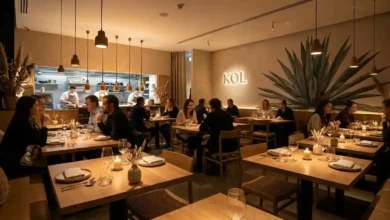
In response, modern bistros and contemporary fine-dining rooms are redesigning their menus into modular, shared-plate layouts. Diners can order three or four distinct bites rather than being locked into a heavy entrée. This format preserves the social energy of table dining while giving guests precise control over how much they consume. Kitchens, too, benefit from this approach: smaller plates allow for higher culinary precision, intricate presentation, and reduced overall food waste.
High Protein Fine Dining Takes Center Stage
Protein has emerged as the hero component of the modern plate. As diners on GLP-1 medications aim to maintain muscle mass while eating fewer calories, demand for high protein fine dining has risen sharply. High-end kitchens are responding by featuring premium proteins prepared with absolute precision.
| Culinary Component | Traditional Fine Dining Focus | Modern GLP-1 Centric Approach |
| Primary Protein | Large cuts, heavy marbled beef (e.g., 10oz Ribeye) | Concentrated portions of wild game, dry-aged poultry, line-caught fish |
| Sauce Foundations | Cream-heavy, butter-emulsified reductions | Clear broths, fermented glazes, herb oils, bone-broth reductions |
| Side Accompanying | Starchy purees, buttered root vegetables | Fiber-dense brassicas, sprouted grains, bitter greens |
| Course Pacing | Slow, prolonged carbohydrate-heavy progression | Rapid, high-intensity protein and flavor sequences |
Chefs are leaning heavily into dry-aging techniques for fish and poultry to concentrate rich umami flavors without adding excessive fat. Broths, dashi bases, and reduction glazes made from long-simmered bones provide intense satisfying mouthfeel while keeping the overall dish light and digestibly clean.
Rethinking Restaurant Portion Trends and Revenue
A central concern for operators facing these GLP-1 dining choices is maintaining table yields and average spend per cover. If diners order less food, traditional restaurant economics dictate a drop in revenue. However, a closer look at recent restaurant revenue analysis shows that smart menu engineering can actually protect—or even boost—profit margins.
           REVENUE SHIFT ANALYSIS
┌──────────────────────────────────────────────┐
│  Traditional Model: High Volume, Lower Margin│
│  [ Large Protein Cost ] + [ Heavy Starch Side ]
└──────────────────────┬───────────────────────┘
                       │
                       ▼
┌──────────────────────────────────────────────┐
│  Modern GLP-1 Model: High Margin, Lower Volume│
│  [ Premium Small Cut ] + [ Complex Technique ]
│  Higher Margin Margin per Gram / Lower Waste │
└──────────────────────────────────────────────┘
By shifting away from large, lower-margin bulk items toward smaller, hyper-refined dishes, restaurants can maintain pricing power based on culinary labor, sourcing quality, and artistic presentation rather than raw weight. Guests are often willing to pay a premium price for a 3-ounce slice of A5 Wagyu or a pristine scallop bathed in a complex dashi reduction, even if the absolute weight on the plate is lower.
Menu Strategy 2026: Engineering Portion Control Menus
Implementing effective portion control menus requires a thoughtful balance between culinary narrative and practical flexibility. Operators are adapting their offerings in several distinct ways:
Tasting Menu Scaling: Offering “Half-Tasting” or “Short Form” menus (e.g., 4 courses instead of 9) at a slightly higher relative price per dish to capture shorter appetites while preserving check averages.
A La Carte Flexibility: Allowing guests to order starter-sized portions of traditional entrée concepts.
Nutrient-Dense Garnishes: Replacing heavy potato or cream-based sides with high-fiber grains, fermented seeds, and intensely seasoned vegetable preparations.
Concentrated Beverage Pairings: Shifting wine pairings toward low-sugar, high-acid vintages, non-alcoholic botanical infusions, or smaller 2-ounce pour options to accommodate reduced alcohol tolerance.
These adjustments ensure that guests leave the table feeling satisfied rather than overfilled, encouraging higher return visit frequencies and broader customer loyalty.
Practical Advice for Diners
For guests navigating contemporary dining rooms while on GLP-1 regimens, thoughtful ordering can ensure a memorable meal without discomfort:
Opt for Small-Plate Concepts: Choose venues that feature tapas, izakaya, or mezze-style structures where you can easily control pacing and volume.
Prioritize Protein and Acid: Focus on ceviches, tartares, grilled seafood, and roasted meats with citrus or vinegar-based sauces to keep dishes refreshing and easy to digest.
Communicate with Service Staff: Don’t hesitate to ask if entrées can be split or if starter portions of main dishes are available; modern service teams are increasingly trained to accommodate these requests seamlessly.
Key Menu Highlights
Cured & Raw Seafood: Kampachi crudo, hamachi with ponzu, scallops with sea buckthorn. High protein, light texture, vibrant acidity.
Concentrated Broths & Dashis: Mushroom tea, charred bone broths, shellfish essence. Delivers deep umami flavor with minimal physical volume.
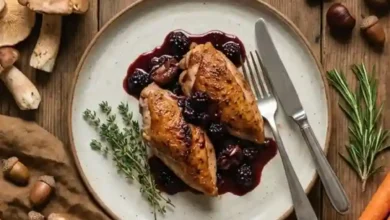
Dry-Aged Small Game & Poultry: Quail, duck breast, or squab served in small 3- to 4-ounce portions with concentrated jus.
Bitter Greens & Ferments: Charred chicory, fermented cabbage, and pickled radish to assist digestion and offer crisp texture.
Looking Ahead
The dining room has always been a mirror of broader cultural and biological shifts. As health care and personal wellness continue to evolve, the hospitality industry’s willingness to adapt menu structures will define its success. Far from dimming the joy of eating out, the industry’s response to changing consumer appetite signals a return to what fine dining does best: delivering unforgettable flavor, meticulous technique, and warm hospitality, thoughtfully calibrated for the modern diner.
Source Context and Data Notes
Data Sources: General trends compiled from public food service industry insights, restaurant consulting publications, and culinary trend forecasts regarding 2026 dining habits.
Limitations: Menu implementations vary significantly by region, cuisine type, and target demographic. Individual restaurant strategies may differ from broader macro trends.
Generalizations: Market responses reflect general industry shifts within major urban fine dining and casual-upscale markets, rather than universally applied standards for all dining establishments.