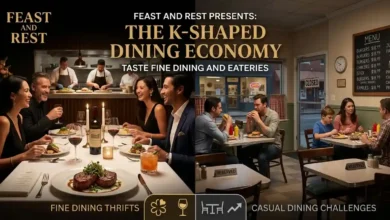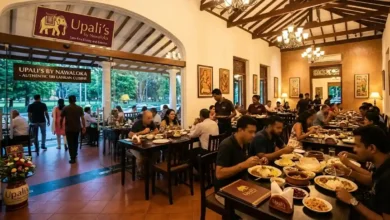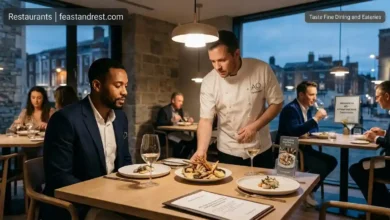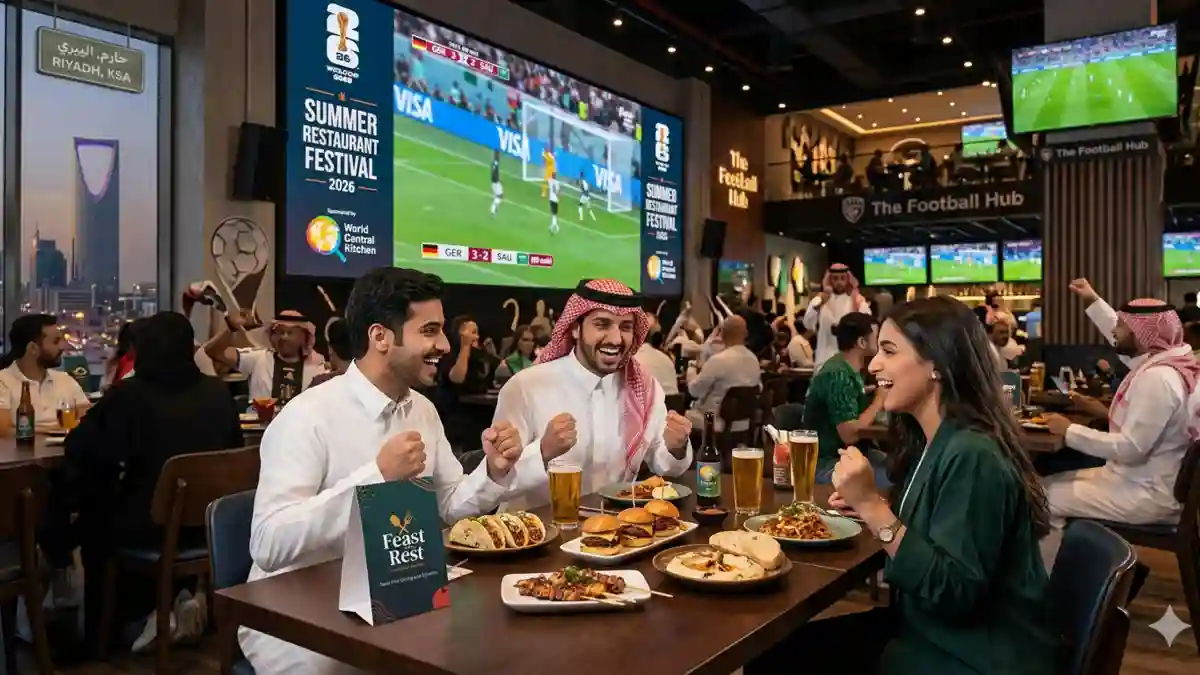
The intersection of major sporting events and high-end gastronomy is undergoing a massive shift. As fans seek out more sophisticated environments to watch the summer’s biggest matches, the demand for premium food during games has skyrocketed. This evolution is particularly visible in major metropolitan hubs like London’s Shoreditch and New York’s Lower East Side, where the traditional match-day experience is being reimagined. Driven by notable culinary figures and a desire for better ingredients, independent sports bar dining has moved far beyond cheap fried appetizers and generic lagers. Food enthusiasts can now enjoy chef-led menus while watching world-class athletics, marking a distinct turning point in how we approach sports hospitality.
The Evolution of the Match-Day Atmosphere
For decades, watching a match outside the home meant sacrificing food quality for the sake of a good screen. Venues prioritized maximum capacity over culinary execution. Today, a new wave of restaurateurs is proving that great food and athletic passion can coexist seamlessly.
The atmosphere in these modern venues balances the high-energy excitement of a live game with the design sensibilities of a contemporary bistro. Acoustic design has become a priority; spaces are engineered so that commentary is clear near the screens, while quieter booths allow for actual conversation. Soft lighting, leather seating, and polished concrete finishes replace the sticky floors and neon signs of the past. It is an environment built for adults who love the game but have outgrown the chaotic campus pubs of their youth.
Chef-Led Philosophy in Sports Hospitality
The driving force behind this shift is the involvement of established culinary talent. Renowned chefs are taking over consulting roles for sports-centric venues, viewing the high-volume environment as an exciting creative challenge. The philosophy centers on scratch cooking, regional sourcing, and unexpected international flavors.
Instead of relying on frozen, pre-packaged goods, these kitchens utilize whole-animal butchery, house-made ferments, and custom charcoal grills. The goal is to respect the casual nature of sports viewing while elevating the execution. A simple slider becomes an exploration of dry-aged wagyu beef; a basket of fries is transformed with hand-cut heritage potatoes and house-smoked salt. This approach elevates the entire experience, making the venue a dining destination in its own right, regardless of what is playing on the screens.
+--------------------------+-----------------------------------+---------------------------------+
| Traditional Pub Fare     | Modern Sports Dining Variant      | Key Culinary Focus              |
+--------------------------+-----------------------------------+---------------------------------+
| Frozen Chicken Wings     | Smoked Heritage Breed Wings       | House rubs, wood-smoke depth    |
| Commercial Nachos        | House-Torn Tortillas & Birria     | Slow-braised meats, fresh herbs |
| Industrial Lager         | Local Micro-Brewed Pale Ales      | Flavor pairing, regionality     |
+--------------------------+-----------------------------------+---------------------------------+
Exploring International Bar Snack Menus
One of the most prominent trends in this space is the rise of curated international bar snack menus. Rather than sticking purely to domestic comfort food, modern kitchens draw inspiration from global street food cultures where snacking is an art form.
Based on available information, menus are increasingly incorporating Japanese Izakaya-style skewers, Spanish tapas, and Middle Eastern mezze. These dishes are naturally suited for casual, group-oriented dining. They are easy to eat without taking your eyes off the screen, yet they offer complex flavor profiles that pair beautifully with a wide range of beverages. The focus is on balance—cutting through the richness of traditional bar food with bright acids, fresh herbs, and fermented chili pastes.
Key Menu Highlights
Glazed Pork Belly Yakitori: Grilled over binchotan charcoal, brushed with a dark soy and mirin reduction, finished with toasted sesame and scallions.
Crispy Cod Croquetas: Pillowy salted cod and béchamel bites, fried until golden and served with a sharp lemon-saffron aioli.
Fermented Chili Hummus: Topped with spiced lamb shawarma, toasted pine nuts, and served with wood-fired flatbread.
Seasonal Soccer Menu Specials
As the summer tournament progresses, kitchens are adapting their offerings to mirror the countries playing on the field. Seasonal soccer menu specials provide a dynamic element to the dining experience, changing every few days to keep regular guests engaged.
When two nations face off, the menu might feature a limited-edition dish from each region. For instance, a match between France and Italy might prompt a kitchen to offer a side-by-side comparison of regional charcuterie or contrasting coastal seafood preparations. These specials rely heavily on seasonal summer produce—heirloom tomatoes, fresh stone fruits, and crisp garden greens—ensuring the food feels light and vibrant during the warmer months. It adds an element of culinary storytelling to the sporting event, allowing diners to engage with the culture of the teams they are supporting.
Community Impact: World Central Kitchen Food Giveaway
The modern restaurant industry recognizes that sports have a unique power to unite people, and this spirit is increasingly being channeled into charitable endeavors. A notable trend this season involves partnerships with global relief organizations to support food security both locally and internationally.
Select venues hosting major events are coordinating with initiatives like the world central kitchen food giveaway to turn match nights into platforms for good. A portion of the proceeds from specific menu items, or dedicated charity viewing tickets, goes directly toward funding meals for communities in crisis. Some establishments even host daytime volunteer events, packing emergency food kits before the evening matches begin. This integration of social responsibility gives sports fans a meaningful way to contribute to global relief efforts while enjoying the game.
World Cup Restaurant Watch Parties and Events
For those looking to immerse themselves fully in the tournament, world cup restaurant watch parties offer a structured, ticketed alternative to chaotic public spaces. These football themed food events are carefully curated to ensure comfort, excellent sightlines, and uncompromised food service.
Unlike traditional bars where guests stand shoulder-to-shoulder competing for the bartender’s attention, these restaurant events often feature multi-course tasting menus served timed with the match intervals. Appetizers arrive during the pre-game analysis, main courses are served precisely at halftime, and desserts or celebratory digestifs appear at the final whistle. This meticulous timing ensures that service never interrupts a crucial moment of play, allowing guests to relax and focus entirely on the pitch and their plates.
Practical Information for Match-Day Diners
Attending these premium viewing events requires a bit more planning than a spontaneous trip to the local tavern. To ensure a seamless experience, keep the following practical tips in mind:
Reservations: Booking well in advance is essential, especially for knockout-stage matches. Venues often require a deposit or a minimum spend per table.
Timing: Arrive at least 45 minutes before kickoff. This allows you to settle into your table, order initial drinks, and place your food order before the kitchen gets hit with the pre-match rush.
Dress Code: While team jerseys are generally welcomed, the overall dress code tends to be smart-casual. It is best to avoid overly casual sportswear like gym shorts or flip-flops.
Dietary Restrictions: Because these menus are highly curated, notify the restaurant of any allergies or dietary preferences at the time of booking, as kitchens may have limited flexibility during high-volume match windows.
Summer Restaurant Festivals 2026 and Beyond
Looking at the broader picture, the integration of sports and fine dining is heavily influencing the summer restaurant festivals 2026 lineup. Outdoor food markets and culinary festivals are increasingly installing massive, high-definition screens to ensure attendees do not have to choose between tasting menus and the big game.
We are seeing a hybrid festival model emerge, where local independent restaurants set up pop-up kiosks surrounding a central viewing lawn. This allows diners to move from stall to stall, sampling everything from wood-fired pizza to fresh oyster shucking, all while soaking in the tournament atmosphere under the open sky. It represents the ultimate convergence of community, sport, and culinary artistry.
The evolution of independent sports bar dining reflects a broader cultural shift: we no longer accept that good entertainment requires bad food. By bringing chef-driven philosophies, global flavors, and structured hospitality to the match-day experience, these venues have created a space where both dedicated foodies and passionate sports fans feel equally at home. The next time a major match approaches, skipping the crowded pub in favor of a curated culinary event might just be the best play you make all season.
Source Context and Data Notes
Source Typology: This article is synthesized from current hospitality industry insights, observed culinary movements in major urban centers, and standard event management practices for high-end sports viewing. It draws on established patterns seen in the premium casual dining sector during major international sporting campaigns.
Data Limitations & Variations: Specific menu items, ingredients, and operational structures are illustrative of the broader 2026 dining landscape. Individual restaurant menus are highly variable and subject to change based on daily market availability, local supply chains, and the specific match schedule.
Geographic & Structural Generalizations: Culinary trends and neighborhood dynamics are generalized based on common developments in major food forward cities (e.g., London, New York, Sydney). Exact reservation policies, minimum spend requirements, and event ticketing structures will vary naturally from venue to venue.