As seasonal tasting menus 2026 shift toward deeper environmental accountability, Tokyo remains the global centerpiece for sustainable fine dining Japanese traditions. At the heart of this movement is Les Créations de NARISAWA in Minami-Aoyama, where Chef Yoshihiro Narisawa continues to refine his celebrated “Innovative Satoyama Cuisine.” The Narisawa Tokyo autumn menu serves as a masterclass in hyper-seasonal dining trends 2026, seamlessly blending wild foraging luxury restaurants with traditional forestry stewardship. Holding two Michelin stars and a Michelin Green Star, Narisawa transforms native flora, autumn roots, and coastal harvests into a narrative of nature conservation.
Understanding why this approach resonates so strongly today requires looking beyond mere aesthetics. Modern diners increasingly demand transparency, ecological harmony, and zero waste culinary trends without sacrificing culinary excellence. Narisawa’s seasonal autumn expression captures this precise cultural shift, showcasing how farm to table fine dining can honor micro-seasons while setting new global benchmarks for eco-friendly gastronomy.
       [ Minami-Aoyama District, Tokyo ]
                       │
       ┌───────────────┴───────────────┐
       ▼                               ▼
[ Satoyama Forest Philosophy ]   [ Modern Eco-Gastronomy ]
       │                               │
       └───────────────┬───────────────┘
                       ▼
       [ Narisawa Autumn Tasting Menu ]
The Minami-Aoyama Context: Tokyo’s Quiet Culinary Haven
Narisawa is situated in Minami-Aoyama, an understated district tucked beside the vibrant energy of Omotesando and Roppongi. Unlike the neon-lit dining corridors of Shinjuku or the multi-story luxury towers of Ginza, Minami-Aoyama favors residential quietude, tree-lined side streets, and architectural restraint. This environment aligns naturally with the restaurant’s grounded philosophy.
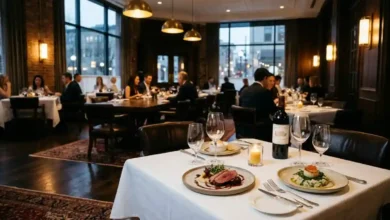
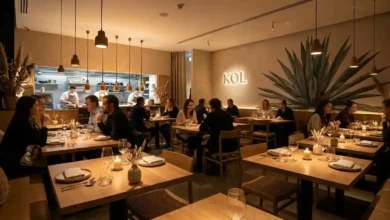
The dining room design reflects this neighborhood calm. Minimalist interiors featuring dark woods, soft ambient illumination, and floor-to-ceiling glass draw focus entirely to the plate and the kitchen’s artful preparation. Dining here offers a distinct contrast to more traditional kaiseki establishments found in nearby Kyoto-style enclaves, presenting an ambiance that is modern, focused, and deeply connected to Japan’s natural landscapes.
Chef Yoshihiro Narisawa and the Satoyama Philosophy
At the core of the experience is Chef Yoshihiro Narisawa’s vision of Satoyama—the border zone where arable flatland meets the foothills of mountains. In Japanese culture, Satoyama represents a sustainable ecosystem where human agriculture and natural forest co-exist cooperatively. Narisawa translates this environmental balance onto the plate, sourcing ingredients directly from small-scale farmers, local foragers, and coastal fisheries across Japan’s diverse prefectures.
┌─────────────────────────────────────────────────────────────┐
│               NARISAWA CULINARY PHILOSOPHY                  │
├──────────────────────────────┬──────────────────────────────┤
│ Core Principle               │ Practical Execution          │
├──────────────────────────────┼──────────────────────────────┤
│ Satoyama Culture             │ Direct sourcing from coastal │
│                              │ and mountain ecosystems      │
├──────────────────────────────┼──────────────────────────────┤
│ Environmental Stewardship    │ Zero-waste sourcing, soil &  │
│                              │ forest preservation awareness│
├──────────────────────────────┼──────────────────────────────┤
│ Satoyama Scenery             │ Edible representations of    │
│                              │ woodland biomass and soil    │
└──────────────────────────────┴──────────────────────────────┘
The culinary technique combines rigorous classic European foundations—honed during Narisawa’s early training under legendary European masters—with indigenous Japanese ingredients and preservation methods. The result is a dining style that transcends regional boundaries, prioritizing the preservation of soil, water, and forests.
Signature Autumn Menu Highlights
The autumn transition in Japan brings a rich palette of earthy, umami-dense ingredients: wild matsutake mushrooms, chestnut, root vegetables, cedar, charcoal, and cold-water sea life. The dining sequence is structured as a immersive progression through Japan’s autumnal landscape.
Bread of the Forest and Moss
A signature centerpiece of the Narisawa experience, this dish begins at the table. Live dough containing wild yeast and indigenous tree barks ferments in a stone vessel heated by hot mountain stones before being baked directly before the guest. It is paired with butter coated in dehydrated spinach and toasted soybean powder, mimicking forest moss.
Satoyama Scenery and Wild Foraging
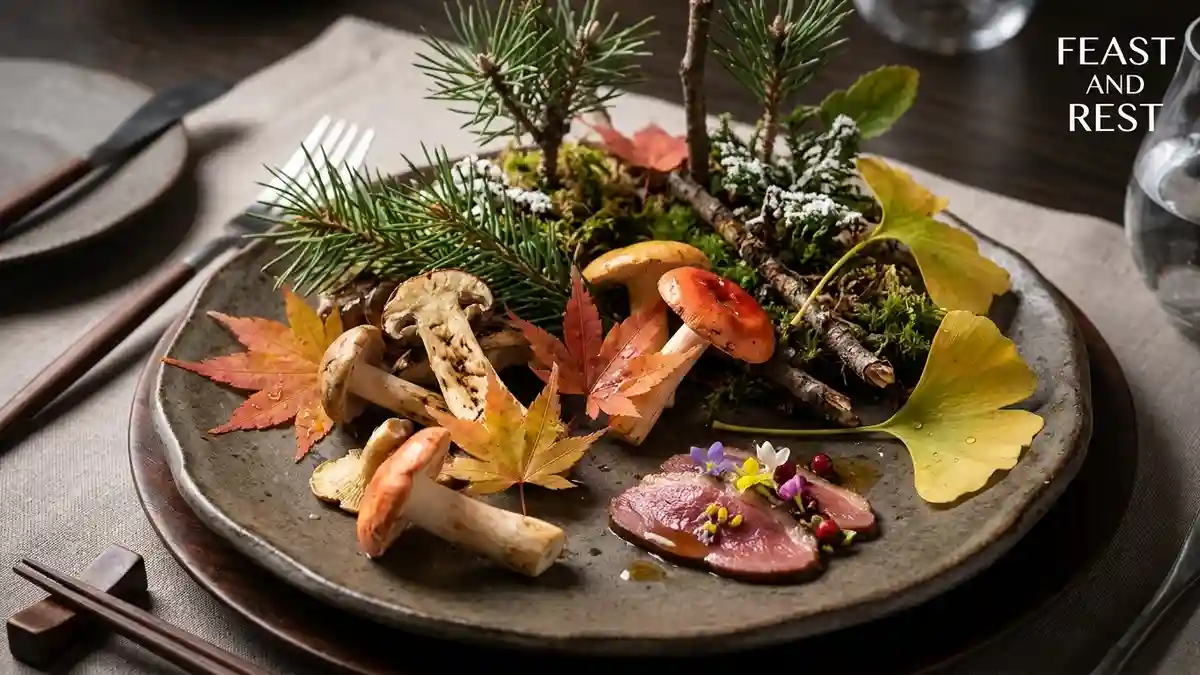
Representing the autumn forest floor, this course utilizes wild mushrooms, autumn herbs, and edible soil elements derived from burdock root and oak charcoal. The dish highlights the natural textures of autumn root crops while celebrating the art of woodland foraging.
Coastal Autumn Harvest
Relying on sustainable fishing practices, seafood selections highlight seasonal catches such as Japanese spiny lobster or autumn sea bream. Preparations are minimalist, using mild smoking with oak wood chips or delicate dashi broths infused with wild seaweeds to highlight natural ocean flavors.
┌─────────────────────────────────────────────────────────────────┐
│                 AUTUMN MENU CORE ELEMENTS                       │
├───────────────────┬──────────────────────┬──────────────────────┤
│ Element           │ Primary Components   │ Culinary Focus       │
├───────────────────┼──────────────────────┼──────────────────────┤
│ Forest Bread      │ Wild yeast, tree     │ Live tableside       │
│                   │ bark, moss butter    │ fermentation         │
├───────────────────┼──────────────────────┼──────────────────────┤
│ Earth & Roots     │ Burdock, chestnuts,  │ Micro-seasonal       │
│                   │ wild mushrooms       │ umami depth          │
├───────────────────┼──────────────────────┼──────────────────────┤
│ Marine Harvest    │ Seasonal sea catches,│ Minimalist smoking,  │
│                   │ kelp, cedar ash      │ clean oceanic broth  │
└───────────────────┴──────────────────────┴──────────────────────┘
Sustainable Practices and Zero-Waste Innovation
Narisawa’s approach to sustainability extends far beyond marketing terminology. The restaurant works directly with artisanal producers who utilize traditional, low-impact harvesting methods.
Whole-Ingredient Utilization: Vegetable skins, herb stems, and seafood trim are repurposed into broths, ferments, and charcoal-infused seasonings to eliminate food waste.
Forestry Support: Ingredients such as cedar wood, oak bark, and wild mountain herbs are sourced from managed forests, promoting active woodland conservation.
Direct-Trade Sourcing: By establishing long-term relationships with independent Japanese farmers, the kitchen maintains total transparency across its supply chain.
Drinks and Pairings: Botanical Harmony
The beverage program at Narisawa parallels the kitchen’s environmental focus. Rather than relying solely on traditional international wine pairings, the beverage menu features a thoughtful mix of domestic offerings and non-alcoholic infusions.
Japanese Fine Wines: Selections highlight emerging organic and biodynamic vineyards from Nagano, Yamanashi, and Hokkaido.
Artisanal Sake: Rare, small-batch sakes produced using traditional brewing methods complement the earthy umami profiles of the autumn dishes.
Botanical Teas & Ferments: Non-alcoholic pairings feature cold-brewed mountain teas, wild botanical infusions, and lightly fermented fruit elixirs designed to echo the flavor notes of each course.
Practical Information for Diners
Experiencing Narisawa requires advance planning due to limited seatings and high international interest. Based on available information, dinner service is designed as an intimate multi-course journey lasting approximately three hours.
Location: Minami-Aoyama, Minato-ku, Tokyo (nearest transit stations include Omotesando and Gaienmae).
Reservations: Required well in advance; seats open online monthly via official booking channels.
Dress Code: Smart elegant. Jackets are recommended for men; casual wear like shorts or athletic footwear is discouraged.
Dietary Accommodations: Due to the precise nature of wild foraging and fixed tasting menus, advance notification during booking is essential for dietary restrictions.
The Broader Impact on 2026 Dining Trends
Narisawa’s enduring influence underscores a critical evolution in global gastronomy. In 2026, luxury dining is no longer measured solely by rare imported delicacies like caviar or truffles, but by a kitchen’s connection to local ecology, culinary authenticity, and responsible sourcing.
By transforming wild-foraged autumn ingredients and forest stewardship into a world-class tasting experience, Narisawa demonstrates that true fine dining can nourish both the guest and the natural environment.
Source Context and Data Notes
General Sources: Insights synthesized from standard culinary industry references, documented dining traditions of Minami-Aoyama, Michelin Guide historical coverage, and widely accepted principles of Satoyama eco-gastronomy.
Known Limitations: Menu compositions vary constantly based on daily foraging yields, micro-weather patterns, and supplier availability. Specific dishes described reflect typical seasonal preparations rather than fixed offerings.
Generalizations: Pricing, exact seating schedules, and individual pairing list items are left generalized to preserve evergreen accuracy across seasonal shifts.