Top Michelin Bib Gourmand Spots Redefining Exceptional Fine Dining Value
The world of high-level dining is often associated with elaborate tasting menus, multi-course commitments, and formal white-cloth settings. However, the modern food landscape has shifted dramatically, with sophisticated travelers and local enthusiasts seeking out top Michelin Bib Gourmand spots that prioritize exceptional flavor, regional identity, and unpretentious service at a moderate price point. Established by the Michelin Guide to recognize venues offering quality cooking within a reasonable cost threshold, the Bib Gourmand designation has become a benchmark for discerning diners who value authenticity as much as technical execution.
As 2026 dining trends lean heavily toward intentional, casual luxury and hyper-regional storytelling, these recognized eateries have taken center stage. From traditional neighborhood bistros in Paris and vibrant izakayas in Tokyo to innovative noodle bars in Bangkok and contemporary trattorias in London, Bib Gourmand recipients demonstrate that memorable meals do not require complex formal dress codes or astronomical checks. Understanding how these kitchens balance cost and creativity offers a clearer view into the evolving global restaurant culture.
The Philosophy of the Bib Gourmand Award
The Michelin Guide introduced the Bib Gourmand category to highlight establishments that deliver high culinary standards without the price structure of traditional starred venues. Rather than measuring a restaurant by luxury amenities, silver service, or rare vintages, inspectors focus on the plate itself: fresh ingredients, precise technique, balanced seasonings, and a cohesive culinary vision.
┌─────────────────────────────────────────────────────────────────────────┐
│                        MICHELIN GUIDE TASTING SPECTRUM                  │
├───────────────────────────────┬─────────────────────────────────────────┤
│ Michelin Stars                │ Bib Gourmand Selection                  │
├───────────────────────────────┼─────────────────────────────────────────┤
│ • Formal or stylized service  │ • Relaxed, accessible atmosphere        │
│ • Rare/imported ingredients   │ • Focus on local, seasonal produce      │
│ • Multi-course tasting structure│ • A la carte or focused fixed menus   │
│ • Premium pricing tier        │ • Exceptional quality-to-price ratio    │
└───────────────────────────────┴─────────────────────────────────────────┘
For diners, this distinction acts as a reliable guide to everyday excellence. Kitchens operating under this designation frequently rely on whole-animal butchery, seasonal produce sourced from hyper-local farms, and time-honored slow-cooking methods to maintain profitability while maximizing flavor. The result is a dining experience that feels deeply tied to its location and community.
Neighborhood Identity and Local Culinary Context
One of the defining characteristics of top Michelin Bib Gourmand spots is their strong integration into their surrounding neighborhoods. Unlike grand destination restaurants that often operate in isolated commercial districts or luxury hotels, these venues tend to thrive in residential enclaves, historic market streets, and emerging creative quarters.
Parisian Bistros (Le Marais & Belleville): Focusing on rustic heritage dishes, natural wines, and lively street-side seating.
Tokyo Izakayas (Shimokitazawa & Asakusa): Offering precise charcoal grilling, master-crafted broths, and regional sake pairings.
Bangkok Street & Shopfront Kitchens (Chinatown & Old City): Delivering fiery wok execution, complex curries, and handed-down family recipes.
London Modern Eateries (Soho & Peckham): Blending British seasonal ingredients with global flavor profiles in compact spaces.
By setting up shop in these distinct pockets, restaurants reflect the energy and history of their immediate surroundings. The neighborhood dining scene influences everything from floor layouts to nightly specials, ensuring that tourists and locals share the same communal space.
Chef Philosophy: Precision Meets Everyday Accessibility
The chefs helming Bib Gourmand kitchens often come with extensive backgrounds in Michelin-starred institutions. Choosing to step away from the rigidity of ultra-fine dining, many open smaller, passion-driven venues where they can experiment with dynamic menus and direct guest interaction.
Their culinary philosophy generally centers on restraint and ingredient respect. Rather than employing complex chemical gastronomy or overly intricate plating, these cooks focus on fundamental cooking foundations: properly emulsified sauces, slow-simmered stocks, crisp wood-fired crusts, and crisp seasonal vegetables. Menu adjustments happen frequently—sometimes daily—based on market availability.
This approach allows chefs to remain nimble. If a targeted fish species or cut of meat increases in cost, the kitchen pivot to underutilized alternatives, turning cheaper ingredients like braised cheeks, root vegetables, or oily fish into star dishes through skilled execution.
Key Menu Highlights & Culinary Styles
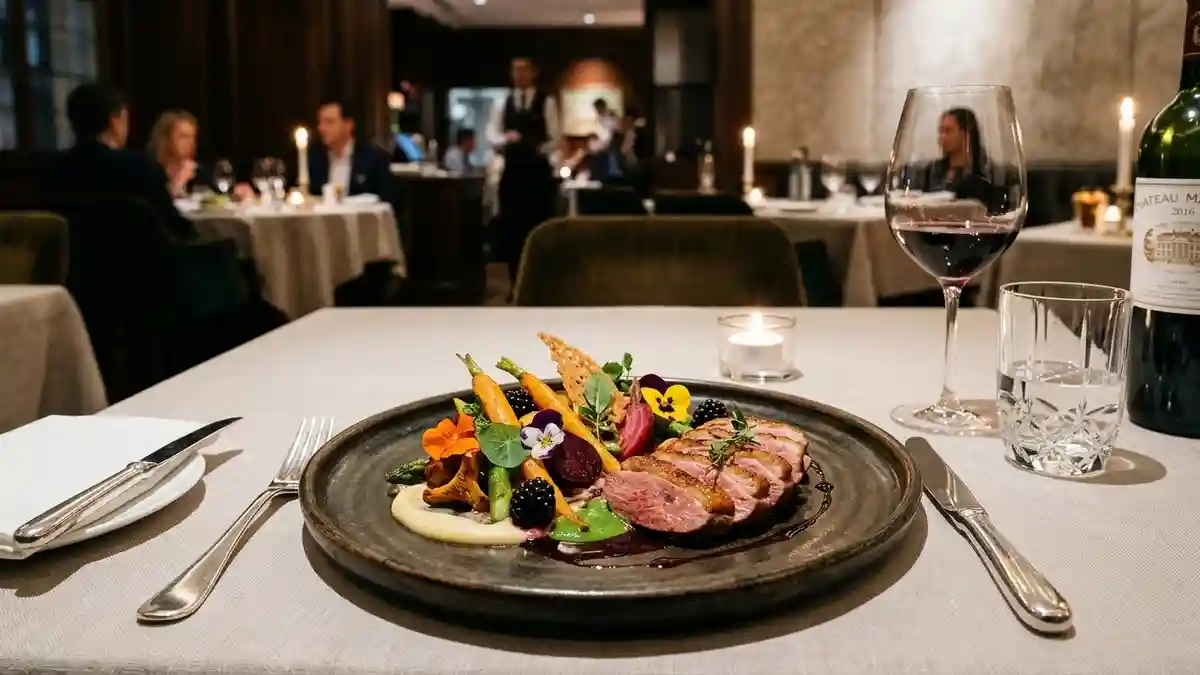
While menus at these establishments vary dramatically across regions and cultures, certain dish patterns define the Bib Gourmand dining style. The emphasis remains firmly on depth of flavor, satisfying textures, and thoughtful presentation.
| Cuisine Style | Typical Culinary Focus | Signature Technique | Key Flavor Characteristics |
| Modern European | House-made pasta, offal, root vegetables | Hand-rolling, slow roasting | Rich, herbal, balanced acidity |
| East Asian | House-made noodles, grilled skewers, broths | Dashi extraction, binchotan charcoal grilling | Umami-rich, smoky, delicate balance |
| Southeast Asian | Complex curries, stir-fries, braises | Clay-pot cooking, wok-hei sear | Aromatic, bold, spicy-sweet contrast |
| Latin American | Heirloom corn masa, ceviches, moles | Wood-fire charring, nixtamalization | Earthy, bright citrus, layered spice |
Signature Dishes to Try
Hand-crafted Pastas: Freshly rolled egg-dough ribbons tossed with long-simmered ragùs, cultured butter, or seasonal mushrooms.
Slow-Braised Proteins: Beef shanks, pork belly, or lamb shoulders cooked over low heat with local aromatics until tender.
Artisanal Flatbreads & Bakes: Naturally fermented sourdoughs paired with whipped cultured butter, lardo, or seasonal spreads.
Market Seafood: Day-boat catch served simply with blistered seasonal greens, olive oil, and fresh citrus.
Menus are designed to encourage sharing, allowing small groups to sample across broad categories without overordering.
The Dining Room Atmosphere and Service Style
Stepping into a Bib Gourmand recognized spot usually feels distinctly different from entering a traditional fine dining room. The service is attentive yet casual, replacing formal rituals with knowledgeable, warm interactions. Floor staff are well-versed in dish ingredients, sourcing stories, and beverage pairings, communicating details comfortably without rigid scripts.
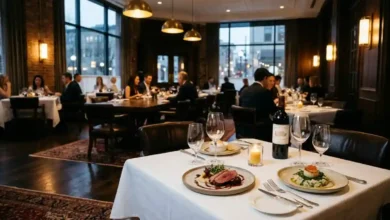
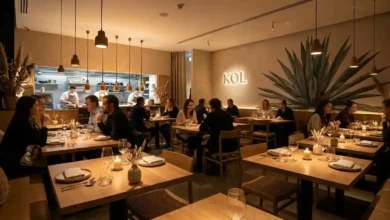
Atmospherically, these restaurants favor warm lighting, exposed original architectural features, open kitchens, and close-set tables. The noise level is often energetic, echoing the buzz of a thriving neighborhood hub. This intentional design choice demystifies the dining experience, making guests feel immediately welcome whether they are stopping in for a quick weekday bite or celebrating a weekend gathering.
Beverage Programs: Curated and Mindful
Beverage offerings at top Michelin Bib Gourmand spots are carefully aligned with the food philosophy: curated, low-intervention, and focused on value. Rather than carrying extensive cellars of premier crus, wine lists heavily feature small-scale producers, natural and biodynamic bottles, and regional varieties that mirror the menu’s origin.
Low-Intervention Wines: Focus on organic farming, minimal sulfur additions, and indigenous grape varieties.
Craft Beers & Ciders: Locally brewed ales, wild-fermentation ciders, and seasonal micro-releases that pair well with hearty dishes.
House-Made Non-Alcoholic Options: Fermented botanical shrubs, house kombuchas, and herbal infusions crafted with kitchen scraps.
Artisanal Spirits & Sake: Curated pours from independent distilleries and historical sake breweries.
By keeping beverage markup reasonable and glass selections dynamic, floor teams make high-quality pairings accessible to all diners.
Practical Tips for Securing a Table
Given the high visibility of the Michelin brand alongside an accessible price point, securing a table at top Bib Gourmand spots requires a bit of strategy.
Book Ahead for Peak Hours: While many venues reserve seats for walk-ins, popular weekend time slots often open several weeks in advance on digital reservation platforms.
Target Off-Peak Times: Dining early (around 5:30 PM) or late (after 8:30 PM) significantly improves chances of walking in without a long wait.
Consider Lunch Service: Many Bib Gourmand establishments feature exceptional midday set menus that offer an even higher value tier than dinner service.
Check Seasonal Schedules: Based on available information, independent spots frequently close for seasonal breaks or maintenance during low-tourist weeks; checking digital channels prior to visiting is recommended.
Source Context and Data Notes
Information Sources: Compiled using general culinary industry standards, regional dining reports, and established gastronomic principles surrounding Michelin Guide evaluation criteria.
Menu Variability: Specific dishes, ingredient sourcing, and prices vary widely by region, season, and restaurant concept. Menus presented reflect standard styles rather than fixed offerings.
Generalizations: Dining policies, wait times, and beverage offerings are described based on general global patterns observed across Bib Gourmand designated establishments.
The rise of the Michelin Bib Gourmand category reflects a broader evolution in global dining preferences, where execution and flavor take precedence over unnecessary formality. By pairing culinary skill with welcoming atmospheres and reasonable checks, these establishments prove that memorable dining experiences are defined by passion, community, and craft rather than luxury tags alone.