Lisbon Travel News 2026: Cultural Shifts and Heritage Insights
Lisbon travel news 2026 centers on balancing robust international visitor demand with sustainable municipal planning, heritage preservation, and evolving cultural infrastructure. As Western Europe’s historic coastal capital navigates a steady rise in international arrivals, tourism authorities and urban planners are prioritizing decentralized exploration and year-round cultural engagement. For global cultural travelers, understanding these shifts allows for more meaningful itineraries that respect local communities while engaging deeply with Portugal’s rich historical footprint. This overview examines current tourism metrics, seasonal patterns, structural urban developments, and practical planning insights for navigating Lisbon responsibly.
As defined in municipal tourism frameworks, Lisbon travel news 2026 reflects a broader European trend toward regenerative tourism, where urban stewardship and heritage management take precedence over raw volume growth. Cultural tourism analysts note that Lisbon’s appeal stems from its unique layering of Manueline architecture, UNESCO-listed landmarks, and a dynamic contemporary arts scene. By examining official statistics from Turismo de Portugal alongside data from cultural organizations, travelers gain a comprehensive foundation for planning a visit that supports local heritage preservation.
Contextualizing Lisbon Travel News 2026 and Visitor Metrics
Recent reports from Turismo de Portugal indicate that national tourism receipts and non-resident guest check-ins maintain an upward trajectory, with Lisbon remaining a primary focal point for international arrivals. Visitor data demonstrates that while European source markets continue to provide the largest share of overnight stays, arrivals from North America—particularly the United States—have experienced notable growth. This influx highlights the city’s expanding global connectivity and its enduring status as a premier destination for cultural exploration and architectural heritage.
Despite record-breaking metrics, seasonal distribution patterns are beginning to stabilize. Industry observations from the Lisbon Tourism Board suggest that initiatives promoting shoulder-season travel have successfully encouraged visitors to explore outside the traditional July-August peak. Analysts emphasize that this temporal dispersion helps mitigate urban congestion in historic neighborhoods like Alfama and Bairro Alto, ensuring that core infrastructure and local residents experience less seasonal strain.
| Metric Category | Reported Trend / Data Point | Primary Source / Context |
| Inbound Growth | Modest single-digit year-on-year increase | Turismo de Portugal provisional data |
| Seasonal Spread | Widening shoulder-season distribution | Municipal Tourism Board reports |
| Average Length of Stay | 2.9 nights per non-resident guest | National accommodation statistics |
| Primary Source Markets | Spain, UK, France, Germany, USA | Balance of payments travel receipts |
Heritage Access and UNESCO Landmarks in the Capital
Lisbon’s architectural identity is anchored by iconic monuments that bridge maritime history and royal heritage, notably the Jerónimos Monastery and the Tower of Belém. Both sites, designated as UNESCO World Heritage landmarks, continue to implement timed-entry systems to protect delicate limestone structures from excessive foot traffic. Cultural heritage managers emphasize that these reservation mechanisms are vital for maintaining the structural integrity of 16th-century Manueline architecture while preserving educational access for international scholars and casual visitors alike.
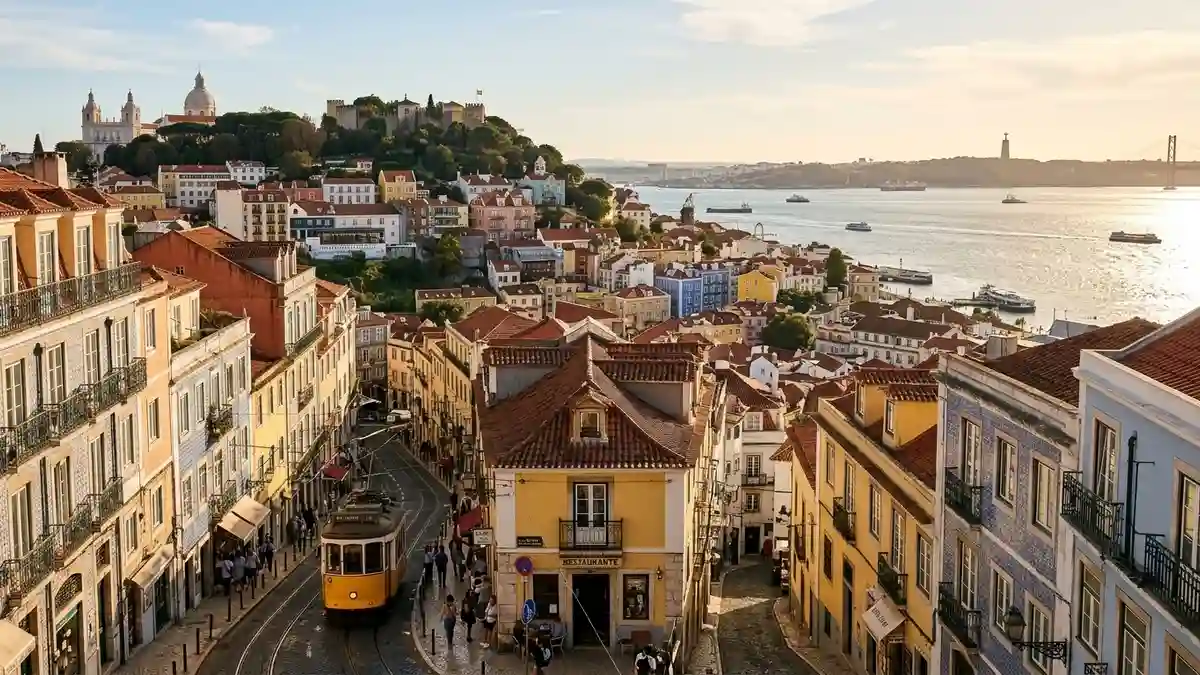
Beyond the waterfront of Belém, municipal revitalization projects are turning attention toward lesser-known heritage districts, such as Mouraria and Madragoa. These neighborhoods offer travelers a window into Lisbon’s medieval layout and multi-cultural history. Local cultural organizations, including the Lisbon City Museum, have curated walking routes that direct foot traffic away from congested thoroughfares, encouraging visitors to engage with traditional artisan workshops, Fado history centers, and community-led historical archives.
Sustainable Urban Initiatives and Community Impact
As highlighted in recent urban development forums, Lisbon’s municipal administration is actively investing in green spaces, pedestrian corridors, and public transit modernization to combat environmental pressures. The city’s recent distinction in European urban livability indices underscores the ongoing expansion of bike lanes, riverfront restoration projects, and energy-efficient public ferry services across the Tagus River. These physical improvements directly enhance the daily experience for both residents and conscientious travelers seeking low-emission transit options.
Balancing tourism growth with residential stability remains a central focus of urban policy. Community stakeholders and local neighborhood associations have collaborated with city planners to regulate short-term rental densities in historic cores, aiming to preserve residential housing availability and authentic neighborhood character. “Sustainable urban tourism requires continuous dialogue between municipal authorities, local residents, and cultural institutions,” notes an urban planning researcher from the University of Lisbon. “Protecting the soul of historic quarters is essential for maintaining the very authenticity that attracts global travelers.”
Seasonal Planning Insights and Economic Realities
Strategic timing is essential for travelers navigating Lisbon’s evolving tourism landscape. Meteorological and tourism data indicate that the optimal windows for cultural exploration are spring (April to May) and early autumn (September to October). During these months, daytime temperatures remain moderate—typically hovering between 18°C and 24°C—and outdoor cultural venues operate with shorter queues. Conversely, summer months bring elevated temperatures that often exceed 35°C, prompting local authorities to issue heat advisories and recommend midday pauses for outdoor activities.
From an economic perspective, accommodation and dining costs in Lisbon have experienced incremental increases over recent years, mirroring broader European inflation trends. However, independent analyses confirm that Lisbon generally retains a more accessible price point compared to capitals in Western and Northern Europe. Travelers are advised to book licensed accommodations well in advance, particularly when aligning trips with traditional cultural festivals such as the Festas de Lisboa in June, which draw significant domestic and international participation.
Practical Recommendations for Cultural Travelers
To maximize the quality of an itinerary while respecting local community boundaries, travelers should adopt structured planning habits. Engaging certified local guides for historical districts ensures accurate historical context while directly supporting the local expert economy. Furthermore, utilizing Lisbon’s integrated public transit network—including historic trams, metro lines, and suburban rail links to Sintra and Cascais—minimizes reliance on private motor vehicles and reduces urban congestion.
Cultural etiquette also plays an important role in responsible destination engagement. Visitors are encouraged to support neighborhood commerce by dining at family-run tascas, purchasing crafts from verified local artisans, and observing quiet hours in residential districts during evening Fado performances. By combining thorough pre-trip research with mindful on-the-ground practices, travelers contribute positively to Lisbon’s long-term vision as an enduring, culturally vibrant European capital.
Stay inspired with Feast and Rest!
Source and Data Limitations
This analytical article is compiled from verified tourism reports, academic urban studies, and institutional data available as of late 2026. Primary statistical references draw from Turismo de Portugal’s official accommodation and balance-of-payments reports detailing inbound tourism metrics, visitor spending, and regional distribution. Historical and architectural context is informed by UNESCO World Heritage documentation regarding the Jerónimos Monastery and the Tower of Belém. Urban sustainability insights reference municipal transit frameworks and discussions from academic conferences on sustainable tourism in Lisbon.
Limitations of this report include the provisional nature of certain year-to-date economic metrics for 2026, which remain subject to final administrative auditing by national statistical agencies. No speculative travel trends or unverified commercial claims have been included. All qualitative assessments regarding crowd management and seasonal patterns reflect documented observations from municipal tourism boards and cultural heritage authorities.