
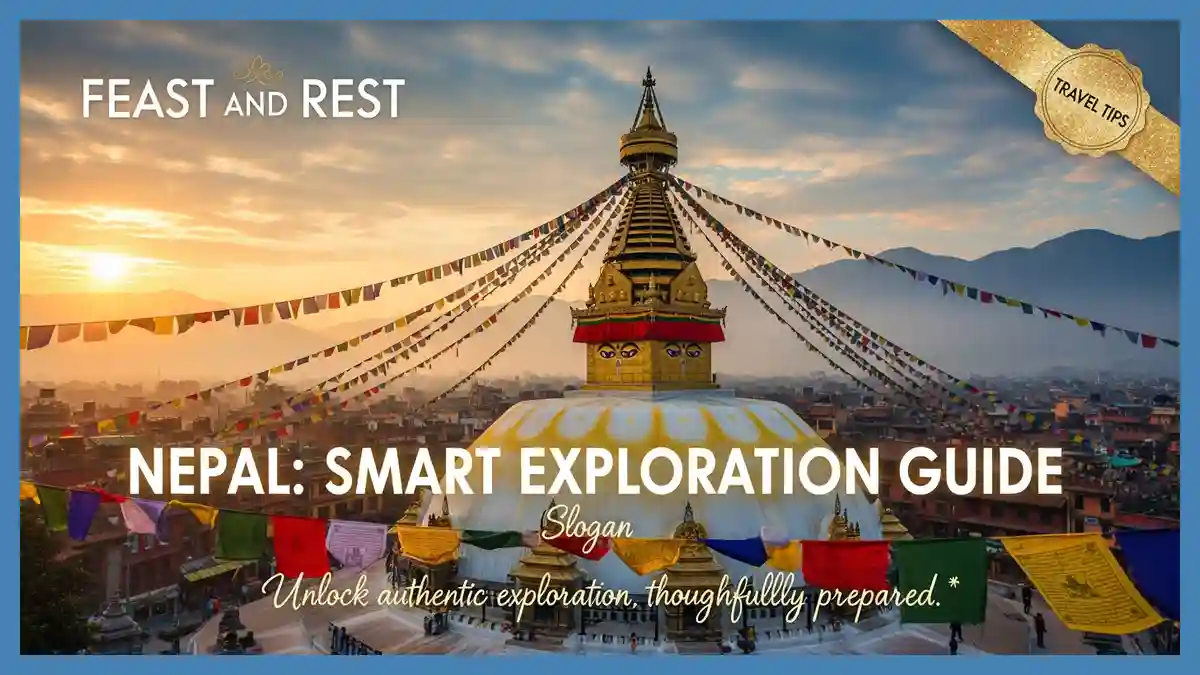
Touchdown in Nepal: Beginning Your Journey with Confidence
As the plane descends toward Tribhuvan International Airport in Kathmandu, the first glimpses of snow-capped peaks and terraced valleys signal the start of an immersive experience. Nepal, nestled in the Himalayas, draws travelers with its blend of ancient temples, diverse landscapes, and welcoming communities. Whether seeking serene mountain views or vibrant cultural hubs, thoughtful travel planning tips ensure a seamless transition from arrival to exploration.
For many, Kathmandu serves as the primary gateway, where the hum of daily life mingles with historic sites. Preparing for entry requirements, local transport, and initial accommodations allows visitors to focus on the country’s unique offerings, like hiking trails that wind through rhododendron forests or markets alive with handmade crafts. Seasonal considerations play a key role—spring brings blooming flora ideal for treks, while autumn offers clear skies for panoramic vistas. Nepal rewards those who plan with flexibility, respecting its cultural depth and natural rhythms.
This Nepal travel guide emphasizes practical steps for confident navigation, from visa processes to itinerary ideas. By aligning preparations with local norms, travelers can engage meaningfully, perhaps joining a festival procession or savoring a communal meal. Such planning transforms a trip into an inspiring journey, highlighting why Nepal stands as a top travel destination for cultural experiences and outdoor pursuits.
Smooth Arrival: Entry Requirements and First Steps in Nepal
Travelers to Nepal often find the entry process straightforward, especially at major hubs like Tribhuvan International Airport. Most nationalities qualify for a tourist visa on arrival, available for durations such as 15, 30, or 90 days, with multiple-entry options. To prepare, ensure your passport has at least six months’ validity and one blank page. Filling out an online application in advance can streamline the queue, though kiosks at the airport also provide forms.
Upon landing, proceed to immigration after collecting baggage. Many encounter helpful signage guiding to visa counters, where officials review documents. It’s wise to have a confirmed onward ticket and proof of accommodation ready, as these may be requested. For those extending stays, visa renewals are possible through immigration offices, typically for a minimum of 15 days.
First steps often include exchanging currency at airport booths for initial needs, like transport fares. Acquiring a local SIM card supports navigation and communication. Health-wise, confirm vaccinations for common travel risks, and carry any required medications. These preparations set a solid foundation for exploring Nepal’s cultural highlights with ease.
From Gate to Ground: Navigating Your Entry Airport
Tribhuvan International Airport, Kathmandu’s main international portal, features essential facilities to ease arrivals. The arrival hall includes currency exchange counters and ATMs for immediate access to local funds. SIM card vendors offer affordable data plans, helpful for mapping routes or contacting accommodations.
Baggage claim areas connect directly to customs, where declarations for valuables may apply. Beyond that, transport options abound: prepaid taxis provide reliable rides to city centers, often taking 20-30 minutes depending on traffic. Rideshare apps or hotel shuttles offer alternatives for those preferring arranged pickups.
Wi-Fi availability aids in coordinating next steps, while nearby eateries serve light refreshments. For extended waits, lounges provide comfort. Navigating with patience during peak times ensures a smooth shift to ground exploration, whether heading to nearby cultural sites or further afield.
Finding Your Haven: Accommodation Styles and Ideal Areas
Nepal offers varied accommodation types suited to different preferences, from simple guesthouses to boutique stays emphasizing local charm. In Kathmandu, areas like Thamel buzz with energy, ideal for those wanting proximity to shops and eateries, while quieter neighborhoods provide serene retreats near historic sites.
Pokhara’s lakeside districts appeal to nature enthusiasts, with options blending mountain views and relaxed vibes. Guesthouses often feature shared spaces fostering cultural exchanges, while mid-range choices include amenities like gardens or rooftop terraces. For trekking regions, teahouses along trails offer basic yet welcoming lodgings, perfect for immersing in high-altitude communities.
Consider location for convenience—stays near entry points minimize travel fatigue, while those in key areas enhance access to attractions. Homestays in rural spots provide authentic insights into daily life. Cross-reference the Hotels category on feastandrest.com for more tailored ideas.
Tasting the Local Way: Dining Experiences and Food Tips in Nepal
Nepal’s cuisine reflects its cultural mosaic, with staples like dal bhat—a nourishing mix of lentils, rice, and vegetable curries—serving as a daily essential for many. This dish varies regionally, often incorporating seasonal produce for fresh flavors. Momos, steamed or fried dumplings filled with vegetables or meat, offer a popular street eat, blending influences from neighboring traditions.
Dining etiquette encourages eating with the right hand or utensils, finishing portions to show appreciation. Casual spots in markets provide opportunities to observe communal meals, while teahouses along trails serve hearty options suited to active days. Vegetarian choices abound, aligning with cultural norms.
Hydration is key; opt for boiled or bottled water. Explore the Foods or Restaurants categories on feastandrest.com for deeper insights into regional specialties.
Mapping Your Adventure: Flexible 5–7 Day Itinerary Ideas for Nepal
A 5-7 day stay in Nepal allows for a balanced mix of cultural immersion and natural wonders, customizable based on pace and interests.
Day 1-2: Kathmandu Exploration Arrive and settle in, visiting temples like Swayambhunath for panoramic views and cultural insights. Wander historic squares, absorbing architectural details. Evenings suit relaxed strolls in lively districts.
Day 3: Travel to Pokhara A short flight or scenic bus ride leads to lakeside serenity. Explore boating on Phewa Lake or short hikes for mountain glimpses.
Day 4-5: Pokhara Activities Hike to viewpoints like Sarangkot for dawn vistas, or visit caves and waterfalls. Include a day trip to nearby villages for cultural interactions.
Day 6: Chitwan Extension (Optional for 7 Days) Head south for wildlife spotting in national parks, with jungle walks or canoe rides.
Day 7: Return to Kathmandu Fly back for final reflections or shopping before departure.
Adjust for energy levels—add rest days or swap activities. For more, check the Destinations category on feastandrest.com.
Getting Around with Ease: Transport Choices Across
Nepal’s transport network connects urban centers and remote areas efficiently. Domestic flights link Kathmandu to Pokhara or Chitwan, ideal for time-saving overland travel. Tourist buses offer comfortable rides on major routes, with scheduled stops for meals.
Local buses serve widespread destinations affordably, though they may be crowded. Taxis and rideshares like InDrive provide flexibility in cities, navigating traffic effectively. For treks, jeeps access trailheads.
Safety tips include confirming routes and traveling during daylight. These options support seamless movement, enhancing access to diverse experiences.
Thoughtful Touches: Packing, Souvenirs, and Departure Advice
Packing for Nepal requires layers to adapt to varying altitudes and seasons. Essentials include breathable clothing, sturdy walking shoes, and a lightweight jacket for cooler evenings. Spring and autumn call for sun protection; winter demands warmer gear like thermals. Include reusable water bottles and basic medications.
Souvenirs might feature handmade textiles or tea blends, chosen responsibly to support artisans—avoid restricted items like certain wildlife products.
For departure, arrive early at airports for security checks. Confirm any exit formalities and pack thoughtfully to ease customs.
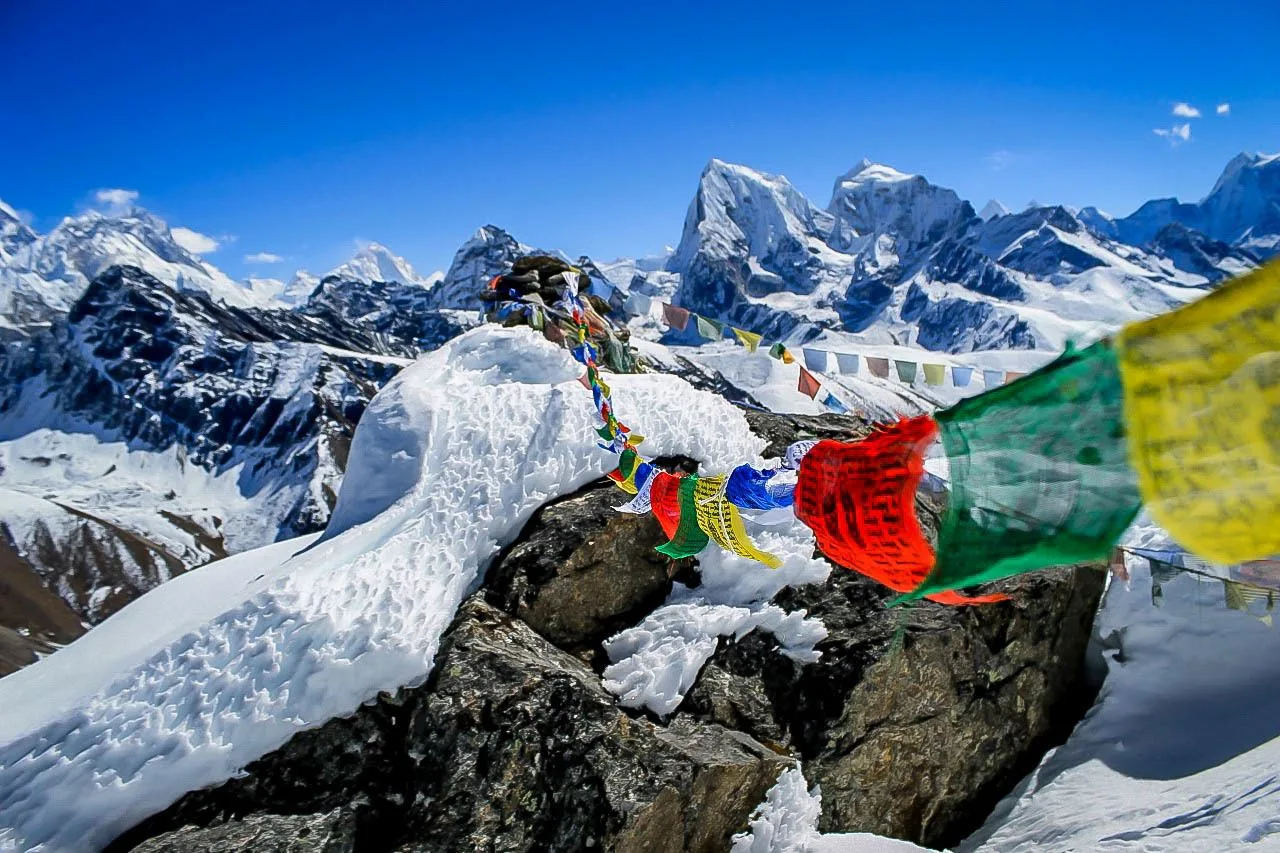
Why Nepal Rewards Smart Preparation
Thoughtful travel planning tips for Nepal open doors to its rich tapestry of mountains, cultures, and traditions. From navigating entry at Tribhuvan International Airport to crafting flexible itineraries blending Kathmandu’s heritage with Pokhara’s tranquility, preparation ensures meaningful connections. Cultural navigation, like respectful greetings and modest attire, fosters genuine interactions, while practical choices in transport and packing address seasonal shifts.
This destination suits those who appreciate structured yet adaptable exploration, perhaps ideal for hikers or culture seekers preferring immersive paces over rushed sightseeing. By focusing on these elements, travelers gain confidence, turning potential challenges into rewarding discoveries. Embrace Nepal’s inspiring essence through informed steps, ready to uncover its authentic heart.


Hey folks, calientenx is on fire! Great odds, plenty of betting options in the sportsbook, and the website is easy to navigate. Give them some love. calientenx
I was a bit hesitant, but jilitakabet surprised me. Everything worked perfectly. Give it a shot – you might like it: jilitakabet.
bd89game is quickly becoming my go-to spot. Easy to use and tons of fun. Check this spot out and tell me what you think, that’s bd89game.