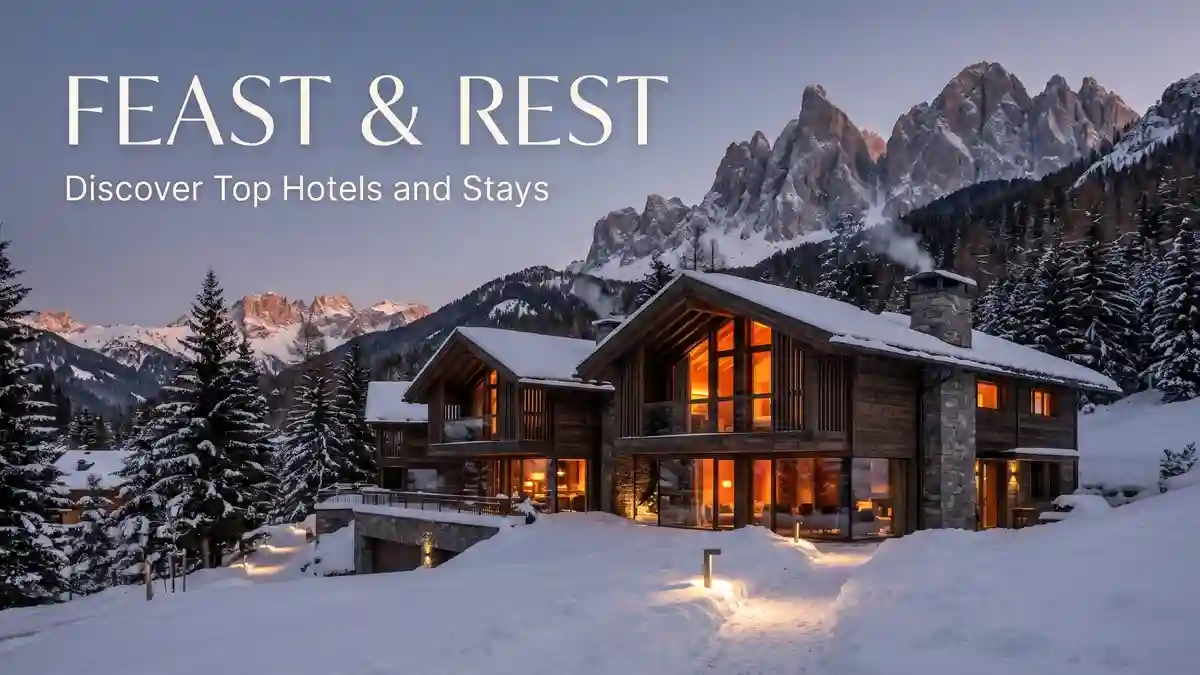
The Aman Rosa Alpina reopening 2026 travel cycle draws significant attention from alpine travelers seeking quiet luxury in northern Italy. Located in the South Tyrolean village of San Cassiano, the historic property underwent an extensive, multi-year architectural transformation led by long-time Aman collaborator Jean-Michel Gathy of Denniston. While Aman initially targeted earlier phases for unveiling the redesigned resort, travelers planning trips in 2026 are looking closely at how the reimagined property balances its decades-old family hospitality roots with Aman’s signature minimalist aesthetic. For couples, wellness-focused travelers, and winter sports enthusiasts, understanding the property’s layout, seasonal rhythms, and updated amenities helps determine how this Dolomites flagship fits into a European itinerary.
San Cassiano and the Alta Badia Setting
San Cassiano sits at an elevation of roughly 1,537 meters (5,043 feet) in the Alta Badia valley, part of the UNESCO World Heritage-listed Dolomites. Unlike flashier Alpine resort towns such as Cortina d’Ampezzo or St. Moritz, San Cassiano maintains a relatively low-key, pedestrian-friendly village center defined by traditional Ladin culture, local bakeries, and timber-framed chalets.
The hotel occupies a prime spot right in the village rather than sitting isolated up a winding mountain road. This central position means guests can walk out the front door directly to local cafés, ski rental shops, and village footpaths without needing a car or shuttle for minor errands. At the same time, the Piz Sorega cable car sits just a short drive or hotel transfer away, connecting directly into the wider Dolomiti Superski network and the famous Sellaronda ski circuit.
Architectural Transformation and Heritage Roots
Before joining the Aman portfolio, Rosa Alpina was owned and operated by the Pizzinini family for three generations, having first opened its doors in 1939. According to project details released during the renovation, the goal of the overhaul was not to erase that South Tyrolean warmth, but to pare back visual clutter and expand the physical footprint of guest spaces.
Architect Jean-Michel Gathy approached the redesign by pairing locally sourced timber, natural stone, and blackened steel with larger floor-to-ceiling windows. In traditional Alpine hotels, small windows were historically used to trap heat during harsh winters. Modern triple-glazed glass allows the updated interiors to frame the jagged limestone peaks of the Conturines and Lavarella mountains without sacrificing thermal efficiency.
A key detail travelers should note is how the renovation reduced the overall room count compared to the original hotel. By combining older, smaller rooms into larger suites, the property shifted decisively toward low-density luxury, prioritizing private living space over high guest volume.
Reimagined Suites and Accommodation Categories
Based on available information regarding the post-renovation layout, accommodations at Aman Rosa Alpina emphasize residential comfort rather than standard hotel room configurations. Most entry-level categories function more like junior suites, featuring dedicated seating areas, natural oak flooring, and stone-clad bathrooms.
Mountain-Facing Suites: Higher-tier suites feature private balconies or terraces oriented toward the Dolomite massifs, offering direct morning or late-afternoon light on the pale rock faces—a phenomenon known locally as enrosadira, when the mountains glow pink and orange at sunset.
Multi-Bedroom Residences and Chalets: For families or small groups traveling together, the property incorporates larger multi-bedroom configurations, including the Zeno Chalet, which provides private dining areas and heightened seclusion while retaining full access to main resort facilities.
Material Palette: Interiors avoid heavy floral fabrics or rustic clutter, favoring tactile wool textiles, clean-lined wooden paneling, and integrated fireplaces that feel grounded in the Tyrolean climate.
Culinary Direction and Alpine Dining
The culinary landscape at Rosa Alpina has long been a major draw for international travelers, historically anchored by Norbert Niederkofler’s three-Michelin-starred St. Hubertus before its closure ahead of the renovation. As the resort settles into its 2026 operating rhythm, dining focuses on regional South Tyrolean ingredients, seasonal mountain foraging, and relaxed Italian hospitality.
Guests can expect multiple distinct dining venues rather than a single formal dining room. These include a main restaurant highlighting regional mountain cuisine and wood-fired cooking, an all-day lounge suited for casual lunches or afternoon apéritifs, and an intimate dining concept centered on tasting menus.
A practical tip for visitors: South Tyrol sits at the cultural crossroads of Italy and Austria, meaning wine lists here are exceptionally strong in local varieties like Lagrein, Schiava, and crisp Alto Adige Pinot Bianco. Even if you are not dining at the flagship restaurant every evening, booking a session in the wine cellar or cigar lounge offers a deeper look into the region’s viticulture.
Wellness Facilities and Mountain Recovery
Wellness is a central pillar of the Aman Rosa Alpina reopening 2026 experience, expanding significantly on the original hotel’s spa footprint. The redesigned Aman Spa spans two levels and integrates indoor-outdoor hydrotherapy, taking full advantage of the crisp Alpine air.
| Facility Feature | Practical Details & Purpose |
| Outdoor Infinity Pool | Heated year-round, allowing guests to swim outdoors while looking directly at snow-covered peaks in winter or green meadows in summer. |
| Indoor Lap Pool & Hydrotherapy | Dedicated lanes for exercise alongside hot and cold plunge pools designed to aid muscle recovery after skiing or high-altitude hiking. |
| Thermal Suites | Includes Finnish saunas, steam baths, and relaxation zones tailored to European sauna traditions. |
| Treatment Rooms | Private suites offering Aman Spa therapies alongside treatments incorporating local Alpine herbs, pine oils, and mineral-rich spring water. |
One nuance worth keeping in mind is local sauna etiquette. In South Tyrol, traditional Finnish saunas are frequently textile-free zones, though luxury international properties like Aman typically provide dedicated swim-attire areas or private thermal suites for guests who prefer more modesty. Checking with the spa desk upon arrival ensures a comfortable experience.
Who Should Consider a Stay
Because nightly rates at Aman properties sit at the very top tier of the global hospitality market, matching the resort to your specific travel style is essential.
Best Suited For: Couples seeking a quiet, design-driven Alpine retreat; skiers who want seamless logistics (such as heated ski lockers and private transfers to the lifts) without the party atmosphere of larger resorts; and wellness travelers looking for serious hydrotherapy facilities.
Less Ideal For: Travelers seeking vibrant nightlife, extensive luxury shopping streets right outside the hotel, or ski-in/ski-out access directly from the bedroom door (as the hotel is in the village center, a brief shuttle ride is required to reach the main Piz Sorega gondola).
Practical Planning Advice for 2026 Travelers
Planning a trip to the Dolomites requires careful attention to seasonal closures, as the region operates on two distinct peak seasons separated by quiet shoulder months.
Time Your Season Carefully: Winter ski season typically runs from early December through late March or early April, depending on snow conditions. Summer hiking and cycling season runs from mid-June through late September. During May, October, and November, many mountain lifts, rifugios (mountain huts), and village restaurants close completely for maintenance.
Choose the Right Airport: San Cassiano does not have a commercial airport nearby. Most international travelers fly into Venice Marco Polo (VCE), roughly 2.5 to 3 hours away by private transfer or rental car, or Innsbruck (INN) in Austria, which is about 2 hours away via the Brenner Pass. Bolzano Airport (BZO) is closer (around 90 minutes) and offers select regional European flights.
Book Mountain Huts in Advance: Whether visiting in winter for ski lunches or summer for hiking, popular rifugios across Alta Badia—such as Club Moritzino or Ütia Bioch—book out weeks ahead during peak months. Ask the hotel concierge to secure lunch reservations well before your arrival date.
Pack for Rapid Weather Shifts: Even in July and August, temperatures at 1,500+ meters can drop sharply once the sun dips behind the peaks. Lightweight merino layers and a windproof shell are useful year-round.
Stay sharp with Feast and Rest.