What Sets Six Senses London at The Whiteley Apart in 2026
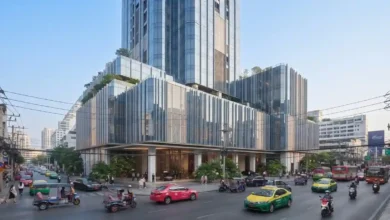
Following its March 2026 opening, this Six Senses London review examines how the resort-famed wellness brand translates its philosophy to West London. Housed within The Whiteley London hotel and residential redevelopment in Bayswater, the property marks the brand’s first UK outpost. For travelers evaluating the best luxury hotels in London 2026, the arrival shifts attention away from traditional Mayfair and Whitehall postcodes toward a quieter, residential pocket just north of Kensington Gardens.
Unlike conventional five-star city openings that prioritize formal dining rooms and evening glamour, Six Senses anchors its 109-key property around circadian health, clinical diagnostics, and biohacking. At the same time, it preserves the Grade II-listed facade and Art Deco bones of William Whiteley’s 1911 department store. Whether you are visiting from North America, the Gulf, or Asia-Pacific to beat long-haul jet lag, or booking a restorative weekend from within the UK, the hotel operates more like an urban recovery club than a standard transit stop.
Bayswater Location and Neighborhood Context
For years, Bayswater luxury hotels lagged behind neighboring Notting Hill and Knightsbridge in high-end infrastructure. The £1.5 billion regeneration of Queensway and The Whiteley changes that dynamic, turning a once-sleepy retail thoroughfare into a walkable, design-conscious enclave.
The hotel sits at 1 Redan Place, roughly a five-minute walk from the northern edge of Hyde Park and Kensington Gardens. You are close enough to walk to the boutiques of Westbourne Grove and Portobello Road, yet insulated from the heavy tourist foot traffic around Oxford Street and Piccadilly.
Transit access: Bayswater (District and Circle lines) and Queensway (Central line) stations are both within a five-minute walk, offering direct links to the West End and the City.
Airport transfers: Paddington Station is less than 15 minutes away on foot or five minutes by taxi, providing 15-minute Heathrow Express rail connections—a major practical advantage for international flyers arriving from New York, Dubai, or Tokyo.
Local pacing: Morning runs through Kensington Gardens replace navigating crowded sidewalks right outside the front door.
Architecture and Biophilic Design Inside The Whiteley
Design studio AvroKO and EPR Architects led the interior transformation, drawing inspiration from the Great Exhibition of 1851, which deeply influenced founder William Whiteley. Rather than relying on heavy gilding or stiff period reproduction, the interiors lean into transparency, natural stone, and living greenery.
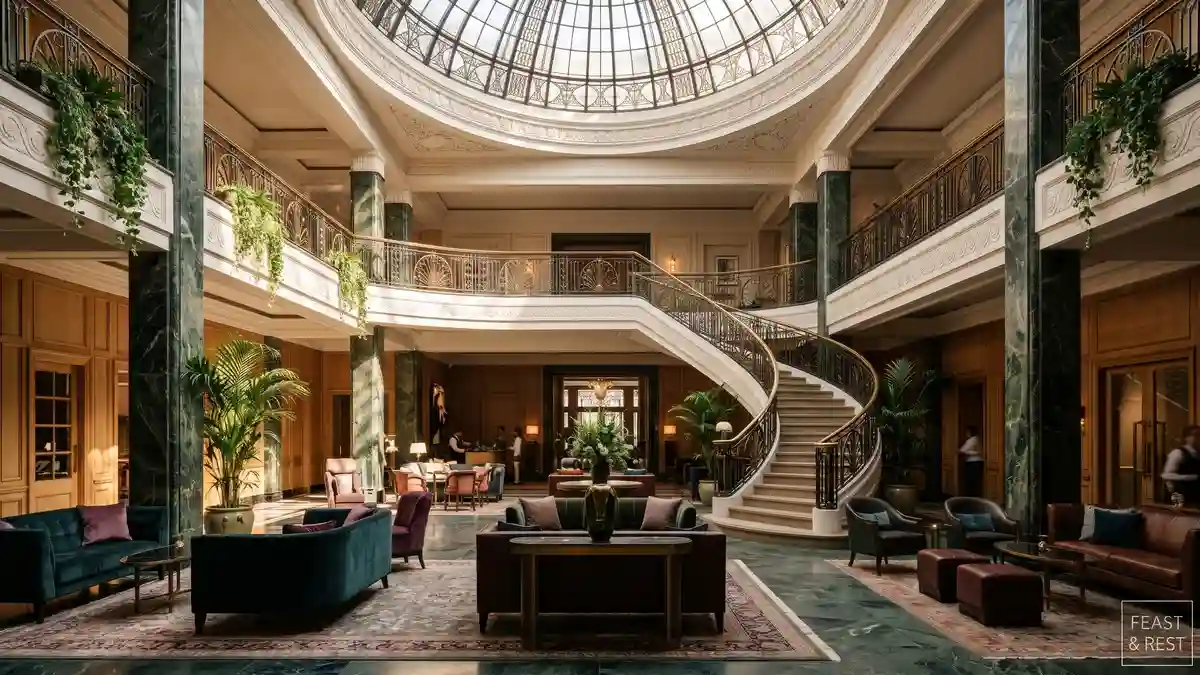
According to project details, the original department store’s central grand staircase was carefully deconstructed, lengthened, and rebuilt by hand in Devon by Foster + Partners in collaboration with The Hub. Today, it rises across three floors beneath a restored glass-domed ceiling, bringing natural daylight deep into the floor plan.
A subtle detail worth noticing in the lobby is how the designers repurposed historic retail vitrines: instead of displaying luxury goods, the glass cases house curated plant life, paired with deep green marble and warm timber. This biophilic approach softens the scale of the historic emporium and keeps acoustic levels noticeably calmer than most central London hotel lobbies.
Rooms and Suites: Designed Around Sleep and Light
Across its 109 rooms and suites—supplemented by 14 branded residences—accommodation at Six Senses London prioritizes air quality, acoustic insulation, and sleep hygiene. Rooms feature layered natural materials, rounded timber joinery, and glass-enclosed shower pods positioned to let daylight travel uninterrupted across the layout.
In keeping with the brand’s “Sleep With Six Senses” standards, beds are outfitted with handmade organic mattresses, temperature-regulating bedding, and non-toxic finishes. Lighting systems are calibrated to support natural melatonin production in the evening, while bedside controls remain intuitive rather than buried inside complex wall tablets.
Entry-level rooms: Generously proportioned by London heritage building standards, making them practical for solo business travelers or short couples’ stays.
Courtyard-facing suites: Offer the quietest acoustic profile in the building, overlooking landscaped internal spaces rather than Queensway street activity.
Best fit: Travelers sensitive to city noise, artificial lighting, or dry hotel air conditioning who want a restful baseline between meetings or sightseeing.
Wellness Facilities: Ranking Among the Best Hotel Spas in London
Wellness is not an afterthought in the basement here; it is the core operational engine of the property. Spanning 2,300 square meters (roughly 24,750 square feet), the facility immediately enters the conversation for the best hotel spas in London.
Beyond the 20-meter indoor lap pool and 325-square-metre gym, the spa introduces several specialized recovery zones rarely combined under one roof in central London:
Magnesium pool: Reportedly London’s first dedicated hotel magnesium pool, formulated to ease muscle tension and support nervous system recovery after long flights.
Biohack Recovery Lounge: Designed for targeted, time-efficient resets using compression boots, pulsed electromagnetic field (PEMF) therapy, red-light panels, cryotherapy, and flotation pods.
HUM2N longevity partnership: Located on the first floor, this clinical partnership offers biomarker screenings, IV nutrient therapy, and a supervised hyperbaric oxygen chamber.
The Alchemy Bar: Led by Head Alchemist Charlotte Pulver, guests can blend seasonal British botanicals into custom scrubs, tinctures, and steam rituals.
Additionally, the property houses Six Senses Place London, the brand’s first private members’ club, which integrates co-working lounges, wellness programming, and social dining spaces for members and overnight hotel guests.
Dining and Culinary Philosophy at Whiteley’s Kitchen
Food and beverage at Six Senses London follows the group’s “Eat With Six Senses” ethos—focusing on traceable British ingredients, fermentation, and minimal refined sugars without feeling overly austere. Whiteley’s Kitchen, Bar and Café anchors the culinary program with an open kitchen and both indoor and courtyard seating.
Menus highlight seasonal produce sourced from regenerative UK farms, paired with low-intervention wines and botanical tonics crafted with ingredients from the Alchemy Bar. While the food is thoughtfully executed and well suited to daytime grazing or relaxed dinners, travelers seeking formal white-tablecloth tasting menus or a bustling late-night cocktail scene will find the culinary footprint intentionally focused compared to multi-restaurant grand hotels.
Raffles London at The OWO vs Six Senses: A Heritage Comparison
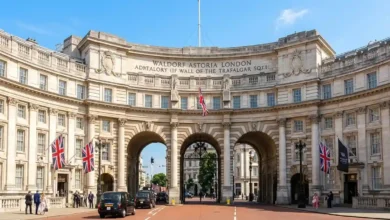
When planning a five star London hotel guide for 2026, two landmark adaptive-reuse properties dominate the conversation: Six Senses London in Bayswater and Raffles London at The OWO in Whitehall. Conducting a London heritage hotel comparison between them comes down to neighborhood rhythm and how you want to spend your evenings.
While both properties occupy painstakingly restored early-20th-century landmarks—an 1911 department store versus the 1906 Old War Office—their guest experiences diverge sharply.
| Feature | Six Senses London (The Whiteley) | Raffles London at The OWO |
| Neighborhood | Bayswater (Queensway / Hyde Park) | Whitehall (Westminster / St. James’s) |
| Heritage Building | 1911 Grade II-listed department store | 1906 Edwardian Old War Office building |
| Key Count | 109 rooms and suites | 120 rooms and suites |
| Primary Strength | Clinical wellness, biohacking, sleep recovery | Destination dining, diplomatic grandeur, history |
| Dining Footprint | Single all-day restaurant, lounge, and Alchemy Bar | Multiple signature restaurants (including Mauro Colagreco) and bars |
| Spa Partner | 2,300 sq m Six Senses Spa + HUM2N longevity clinic | Four-floor Guerlain Spa + Pillar Wellbeing |
In a direct Raffles London at The OWO vs Six Senses decision, choose Raffles if you want nine distinct restaurants and bars—including rooftop dining at Kioku by Endo and fine dining by Mauro Colagreco—within walking distance of Trafalgar Square and Buckingham Palace. Choose Six Senses if you prefer park-side mornings, cutting-edge recovery facilities, and a calmer residential base that typically carries a lower entry room rate than Whitehall.
Practical Planning Advice for Your Stay
Because Six Senses London opened in March 2026, operations and neighborhood retail around Queensway continue to mature through the year. A few practical strategies will help you get the most out of a stay:
Book spa and HUM2N diagnostics early: Specialized sessions—particularly hyperbaric chamber slots, biomarker consultations, and weekend Alchemy Bar workshops—draw both overnight guests and Six Senses Place members. Reserve treatments at least two to three weeks before arrival.
Time your visit for shoulder seasons: Spring (April–May) and autumn (September–October) are ideal for Bayswater stays, letting you take full advantage of morning walks through Kensington Gardens when cherry blossoms or autumn foliage peak without summer crowds.
Request an internal courtyard room: If you are arriving on an overnight flight from the US or Middle East and plan to sleep during daytime hours, ask for a courtyard-facing room away from Queensway street-level foot traffic.
Explore Notting Hill on foot: Skip taxis for dinner and walk 12 minutes west to Westbourne Grove or Ledbury Road, where neighborhood bistros and independent cafes complement the hotel’s lighter culinary menu.
Stay sharp with Feast and Rest.