

First Taste: Uncovering the Soul of Xiaolongbao
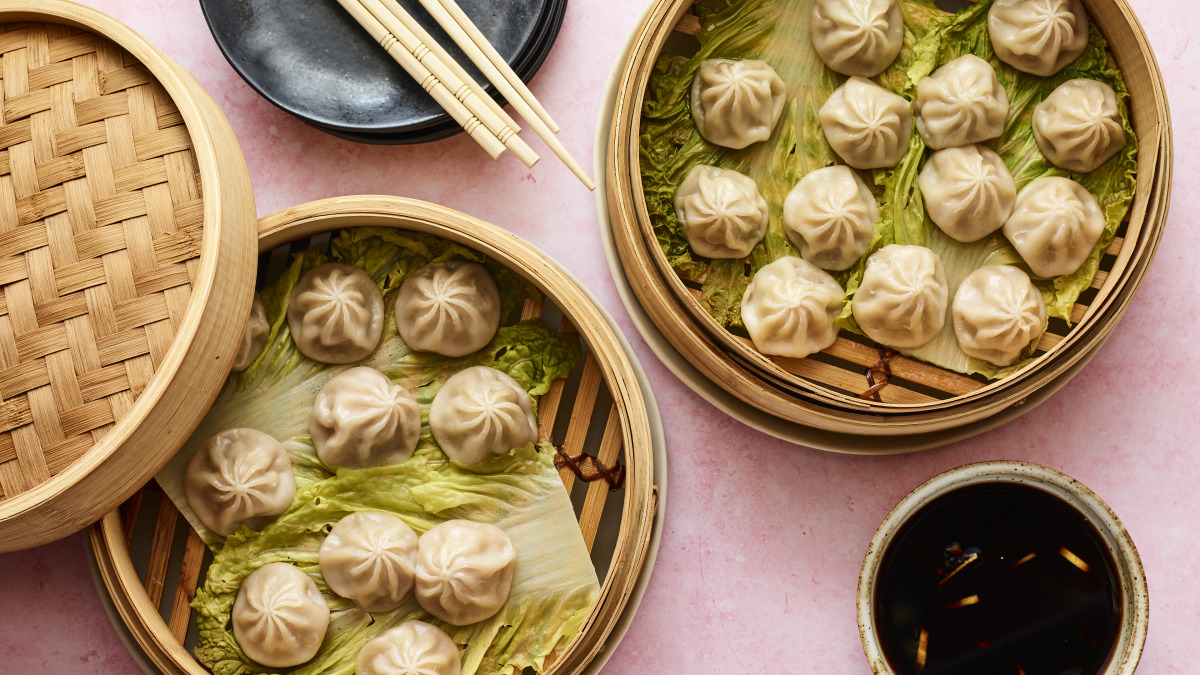
There is a specific, quiet anticipation that accompanies the arrival of a bamboo steamer to the table. As the lid is lifted, a cloud of clean, wheaty steam rises to reveal a cluster of translucent, pleated orbs nestled together. These are Xiaolongbao, often referred to in English as soup dumplings. To the uninitiated, they appear to be simple steamed buns; to the enthusiast, they represent one of the most sophisticated feats of culinary engineering in the world of global foods.
Originating from the Jiangnan region of China, specifically the outskirts of Shanghai, Xiaolongbao are a marvel of contrast. The exterior consists of a paper-thin, delicate flour skin, gathered into meticulous pleats that meet at a central crown. Inside lies a savory, tender pork filling bathed in a rich, clear golden broth. The “magic” of the dish—how the soup gets inside the dough—is a testament to traditional Chinese culinary ingenuity, making it a favorite for those engaged in culinary tourism and home cooking exploration alike.
Beyond the mechanics of its preparation, Xiaolongbao carries a deep cultural weight. It is a dish of patience and precision, typically enjoyed during leisurely weekend brunches or as a centerpiece of a communal meal. It invites diners to slow down, as the technique required to eat one without breaking the skin or scalding one’s palate demands full attention. This sensory experience has transformed the dish from a local Shanghai snack into a global phenomenon, celebrated in bustling street markets and refined dining rooms across the world.
The Roots of Xiaolongbao: History, Origins, and Cultural Meaning
The story of Xiaolongbao begins in the late 19th century in Nanxiang, a canal town that is now a district of Shanghai. Local legend often credits a small pastry shop owner named Huang Mingxian with the invention. Seeking to stand out in a competitive market, Huang reportedly evolved the traditional large steamed bun (mantou) by making the skin thinner, increasing the filling-to-dough ratio, and introducing a liquid component that would turn into broth upon steaming.
From Nanxiang to the World
Originally called Nanxiang da rou mantou (Nanxiang large meat-filled bun), the name eventually shifted to Xiaolongbao. The name literally translates to “little basket bun,” referring to the xiaolong, the small bamboo steaming baskets in which they are cooked and served. Over the decades, the dish migrated from the edges of the city into the heart of Shanghai’s French Concession and eventually across the sea to Taiwan and beyond.
A Symbol of Craftsmanship
In Chinese culture, the quality of a Xiaolongbao is often judged by the number of pleats on its crown. Tradition dictates that a high-quality dumpling should have at least 18 exquisite folds. This requirement elevates the dish from simple sustenance to an artisanal craft. It reflects a cultural appreciation for gongfu (effort and skill), where the beauty of the food is as important as its flavor. Today, it remains a staple of “Dim Sum” or “Yum Cha” culture, representing a bridge between casual street food and high-end culinary art.
Crafting Xiaolongbao: Authentic Ingredients, Preparation, and Variations
Creating an authentic Xiaolongbao recipe at home is a labor of love. The process is divided into three critical components: the “aspic” (the solidified soup), the filling, and the specialized dough.
The Secret of the Soup
The most frequent question regarding Xiaolongbao is: How does the soup get inside? The answer lies in collagen. A rich stock is simmered using pork skin, aromatics, and bones. Once cooled, the gelatin naturally sets into a firm jelly, which is then minced and folded into the meat filling. When the dumpling is steamed, the heat melts the jelly back into its liquid state.
Essential Ingredients
For the Soup Aspic: Pork skin, ginger, scallions, and water.
For the Filling: Ground pork (ideally with a 30% fat content for tenderness), soy sauce, toasted sesame oil, minced ginger, and the prepared aspic.
For the Wrapper: All-purpose flour and warm water.
For Serving: Chinkiang black vinegar and julienned fresh ginger.
Step-by-Step Preparation
Prepare the Aspic: Simmer pork skin and aromatics for several hours until the liquid is reduced and highly concentrated. Strain and refrigerate until it forms a stiff jelly.
Mix the Filling: Combine the ground pork with seasonings. Finely dice the chilled aspic and gently fold it into the meat. Keep this mixture cold to prevent the gelatin from melting prematurely.
Develop the Dough: Mix flour and water to create a supple, elastic dough. It must be rested to allow the gluten to relax, which enables the skin to be rolled out to a translucent thinness without tearing.
Folding and Pleating: This is the most technical stage. Small rounds of dough are rolled out—thinner at the edges and slightly thicker in the center to support the weight of the soup. A spoonful of filling is placed in the center, and the edges are pinched and rotated to create the signature pleats.
Steaming: The dumplings are placed on parchment paper or Napa cabbage leaves inside a bamboo steamer. They are steamed over high heat for approximately 6 to 8 minutes.
Regional Variations
While the pork-based Shanghai style is the gold standard, regional nuances exist. Some versions incorporate crab roe (xiehuang) for a richer, more sea-savory depth. Others may use shrimp or poultry, though the essential element—the internal broth—remains constant.
Tasting the World: Where and How to Experience Xiaolongbao
For those passionate about culinary tourism, seeking out the best Xiaolongbao is a journey through history and geography. While they are available globally, certain locations offer a deeper connection to the dish’s roots.
The Streets of Shanghai
In Shanghai, one can find Xiaolongbao in various settings, from humble stalls in the Old City to prestigious, multi-story restaurants near the Yu Garden. Each establishment offers a slightly different take on the thickness of the skin and the sweetness of the broth. Exploring these local variations allows travelers to understand the subtle “flavor profiles” that define different neighborhoods.
The Global Stage
Major metropolitan hubs like Taipei, New York, London, and Sydney have become secondary homes for this dish. In these cities, Xiaolongbao often serves as an introductory “gateway” for people exploring Chinese cuisine for the first time. The consistency and precision required to produce them have made certain international chains famous, but the soul of the dish is just as vibrant in smaller, family-run shops in various Chinatowns.
Foodie Insights: Tips for Enjoying and Recreating Xiaolongbao
To fully appreciate this pillar of global foods, it helps to understand both the etiquette of eating and the practicalities of preparation.
How to Eat a Soup Dumpling
The goal is to enjoy the soup and the dumpling together without causing a “soup explosion.”
The Dip: Gently lift the dumpling by its crown using chopsticks and dip the base into the ginger-infused vinegar.
The Spoon: Place the dumpling onto a deep ceramic spoon.
The Vent: Poke a small hole in the side of the wrapper to release the steam and allow a bit of broth to flow into the spoon.
The Sip: Sip the broth first, then consume the dumpling with the remaining ginger.
Success Tips for Home Cooks
Temperature Control: Keep your filling and aspic chilled at all times. If the filling gets too warm, the fat and gelatin will separate, making the dumplings difficult to pleat.
Wrapper Thinness: Use a small rolling pin (dowel style) to get the edges thin enough to pleat but keep the “belly” thick enough to hold the liquid.
The Steam Factor: Ensure the water is at a rolling boil before placing the steamer on top. This ensures a quick “set” for the dough.
Who It Suits Best
Xiaolongbao is ideal for those who appreciate delicate textures and savory, “umami” flavors. It is a fantastic communal dish for families and groups. However, those with a preference for very spicy or crunchy textures might find it quite mild; in such cases, adding a touch of chili oil to the dipping vinegar can provide a welcome kick.
Why Xiaolongbao Captures the Essence of Global Flavors
Xiaolongbao is more than just a meal; it is a masterpiece of culinary balance. It manages to be hearty yet weightless, simple in its ingredients yet complex in its execution. It represents the pinnacle of “comfort food” while maintaining an air of sophistication that few other dishes can match.
As a gateway to cultural cuisines, the soup dumpling teaches us about the importance of technique and the joy of shared discovery. Whether you are navigating the historic alleys of Nanxiang or attempting your first pleats in a home kitchen, Xiaolongbao offers a window into a rich heritage of flavor. It encourages us to savor the moment, one careful, broth-filled bite at a time. By exploring such authentic recipes and the stories behind them, we deepen our connection to the global table and the diverse traditions that make food so meaningful.


I do agree with all the ideas you’ve introduced for your post.
They’re really convincing and will definitely work. Still, the
posts are too quick for newbies. May you please prolong them
a little from next time? Thanks for the post.
My web-site marketing news
Hi friends, how is the whole thing, and what you want to
say about this article, in my view its really amazing in favor of
me.
Here is my blog; video telanjang
영업시간: 저희 신림출장마사지 안마 서비스는 24시간 365일 쉬지 않고 운영됩니다.
늦은 밤이나 새벽 시간에도 전문 관리사가 대기하고 있으므로,
피로를 느낄 때 언제든지
Also visit my blog :: 신림출장마사지
I constantly spent my half an hour to read this web site’s articles all the time along
with a cup of coffee.
Also visit my website; website development (Emerson)