
First Taste: Uncovering the Soul of Beef Bourguignon
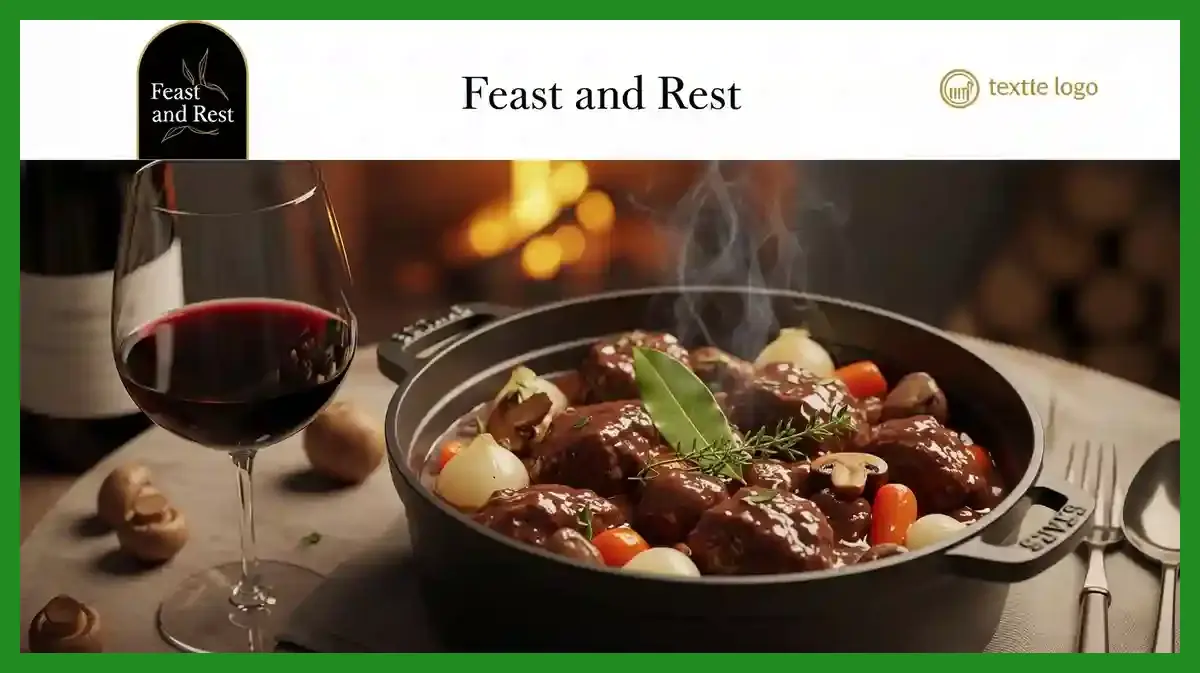
Imagine a pot simmering gently on a stove, releasing aromas of red wine mingled with herbs and tender beef. This scene evokes the essence of beef bourguignon, a dish that has warmed tables across France and beyond for generations. Originating from the Burgundy region in eastern France, beef bourguignon represents a blend of local ingredients and time-honored techniques that highlight the area’s renowned wines and cattle. As a staple in French cuisine, it offers a gateway for home cooks and travelers to experience the depth of global foods through a single, satisfying meal.
The dish’s appeal lies in its ability to transform simple components into something profoundly comforting. Beef, slowly braised until it falls apart, absorbs the subtle notes from vegetables and seasonings, creating layers of flavor that unfold with each bite. For those interested in cultural dishes, beef bourguignon serves as an introduction to Burgundian traditions, where meals often center around shared pots and seasonal produce. Its popularity extends to foodie travel, drawing visitors to the region’s vineyards and markets to taste variations rooted in local practices.
Historically, beef bourguignon emerged from practical needs in rural households, evolving into a symbol of French culinary heritage. Today, it inspires authentic recipes that balance tradition with home adaptability, making it accessible for anyone seeking to recreate global flavors. Whether enjoyed during a quiet evening or as part of a gathering, this stew encourages a thoughtful appreciation of how food connects people to places and stories.
The Roots of Beef Bourguignon: History, Origins, and Cultural Meaning
Beef bourguignon traces its beginnings to the Burgundy region, known for its rolling vineyards and Charolais cattle, which provide the dish’s signature meat. This area, situated between Lyon and Paris, has long been celebrated for its agricultural bounty, influencing the stew’s development. The term “bourguignon” refers to preparations involving wine, a nod to the region’s viticultural prominence, with the beef version gaining recognition in the 19th century.
As a peasant dish, it likely dates back to the Middle Ages, when rural families used slow cooking to tenderize tougher cuts of beef. This method allowed for the use of available ingredients, such as onions and herbs from the garden, combined with wine to create a nourishing meal. Over time, the recipe evolved from a means of utilizing leftovers to a more refined preparation, reflecting shifts in French society from agrarian roots to urban dining.
The first recorded mention of “bourguignon” in a culinary context appeared in 1867 in Pierre Larousse’s dictionary, describing it as items cooked in wine, with beef as the example. By the early 20th century, chef Auguste Escoffier formalized the dish in his 1903 cookbook, elevating it to haute cuisine status. This transition marked its move from humble kitchens to restaurant menus, where it became synonymous with French comfort food. Julia Child further popularized it globally in the 1960s through her cookbook “Mastering the Art of French Cooking,” introducing it to international audiences as a approachable yet elegant option.
Culturally, beef bourguignon embodies the Burgundian emphasis on terroir—the idea that a dish reflects its environment. It plays a role in family gatherings and festive occasions, often served during cooler months when hearty meals provide warmth. In broader French traditions, it aligns with other wine-based stews, like coq au vin, highlighting the country’s appreciation for braised dishes that develop flavor over hours. Regional nuances appear in how locals incorporate specific wines or herbs, adapting to what’s seasonally available. This adaptability underscores its enduring place in cultural cuisine, fostering a sense of continuity across generations.
Beyond France, the dish has influenced global foods by inspiring adaptations in various kitchens, where cooks substitute local ingredients while preserving the core technique. Its story also touches on sustainability, as early versions focused on using every part of the animal, a practice that resonates with modern efforts to minimize waste. For travelers exploring culinary tourism, understanding beef bourguignon’s roots offers insight into how food traditions evolve while retaining their authentic essence.
Crafting Beef Bourguignon: Authentic Ingredients, Preparation, and Variations
At its core, beef bourguignon relies on a selection of straightforward ingredients that come together through patient cooking. The beef, typically from chuck or similar cuts, provides a base that becomes tender after hours of simmering. Red wine, traditionally from Burgundy, adds depth and acidity, while beef stock enhances the richness. Vegetables like carrots, onions, and garlic contribute sweetness and aroma, complemented by a bouquet garni—a bundle of herbs such as thyme, parsley, and bay leaves. Pearl onions and mushrooms, added later, offer contrasting textures.
Here is a representative list of ingredients for an authentic beef bourguignon serving four to six:
- 2 pounds beef chuck, cut into 2-inch cubes
- 1 bottle red Burgundy wine (or a similar full-bodied red; for non-alcoholic versions, substitute with additional beef stock and grape juice for tang)
- 2 cups beef stock
- 4 carrots, peeled and sliced
- 2 onions, chopped
- 4 garlic cloves, minced
- 1 bouquet garni (thyme, parsley, bay leaf tied together)
- 8 ounces pearl onions, peeled
- 8 ounces mushrooms, quartered
- 4 ounces bacon or pancetta, diced
- 2 tablespoons flour
- 2 tablespoons butter or oil
- Salt and pepper to taste
Preparation begins with browning the beef in batches to develop a caramelized exterior, which locks in juices and builds flavor. This step uses a heavy pot, like a Dutch oven, over medium-high heat. Once browned, the meat is set aside, and the bacon renders its fat in the same pot, followed by sautéing the chopped onions, carrots, and garlic until softened.
Next, sprinkle flour over the vegetables to create a roux, stirring to coat evenly. This thickens the sauce as it cooks. Pour in the wine and stock, scraping the pot’s bottom to incorporate any browned bits—a technique known as deglazing that intensifies the taste. Return the beef to the pot, add the bouquet garni, and bring to a simmer. Cover and cook in a preheated oven at 325°F for about two hours, or until the beef yields easily to a fork.
In the final stage, sauté the pearl onions and mushrooms separately in butter until golden, then fold them into the stew for the last 30 minutes of cooking. This preserves their firmness, providing bites that contrast the melt-in-your-mouth beef. Adjust seasoning with salt and pepper, and remove the bouquet garni before serving.
Variations reflect regional and historical influences. Early recipes might use a whole joint of beef, resembling a pot roast, rather than cubes. Some versions incorporate pork belly for added richness, as seen in 19th-century preparations. In Provence, adaptations might include olives or orange zest for a Mediterranean twist, though these stay true to the braising method. For home cooks, slow cookers offer a modern convenience, maintaining low heat over several hours without constant attention.
Common pitfalls include rushing the browning step, which can lead to a less flavorful result, or using wine that’s too young or acidic. Opt for a wine suitable for drinking to ensure balance. Substitutions like turkey bacon for pork keep the dish lighter, while vegetable stock suits vegetarian-inspired takes, though these diverge from tradition. Sensory notes reveal a sauce that’s velvety and earthy, with the beef offering a subtle chew amid the soft vegetables.
This preparation emphasizes cultural authenticity, using techniques passed down through French households, while allowing for personal touches that make it feasible in any kitchen.
Tasting the World: Where and How to Experience Beef Bourguignon
Burgundy stands as the heartland for experiencing beef bourguignon, where the dish thrives in local bistros and family homes. Cities like Dijon and Beaune offer opportunities to sample it amid vineyard tours, connecting the stew to its wine heritage. Street markets in these areas provide fresh ingredients, allowing visitors to observe how locals select cuts of Charolais beef or seasonal mushrooms, enhancing the culinary tourism aspect.
In Paris, bistros serve versions that blend rustic origins with urban refinement, often paired with crusty bread to soak up the sauce. Travelers can find it in neighborhoods like Le Marais, where meals reflect broader French traditions. Beyond France, adaptations appear in global foods scenes, such as in New York or London, where chefs draw from Escoffier’s influence to create faithful renditions.
Home cooking traditions in Burgundy involve preparing the dish for Sunday lunches or harvest celebrations, using pots handed down through families. For foodie travel, visiting during autumn aligns with wine harvest season, when the stew complements fresh vintages in a non-promotional cultural context. Accessibility comes through guided tours that include market visits, offering insights into sourcing without commercial pressure.
Regional nuances shine in how coastal areas might incorporate seafood elements, though core Burgundy versions stick to land-based ingredients. Seasonal contexts favor winter months, when the dish’s warmth suits cooler weather, making it a comforting choice for explorers seeking authentic cultural dishes.
Foodie Insights: Tips for Enjoying and Recreating Beef
To fully appreciate beef bourguignon, consider these practical insights:
- Best Times and Occasions: Ideal for cooler seasons or gatherings like family dinners, where its slow-cooked nature allows for relaxed hosting. It fits well into holiday meals or weekend suppers, evoking a sense of tradition.
- Ingredient Sourcing Tips: Look for well-marbled beef cuts at local butchers for better tenderness. Fresh herbs and quality stock elevate the result; for wine, choose a balanced red, or opt for non-alcoholic alternatives like unsweetened grape juice mixed with stock to maintain the tangy profile.
- Pairing Ideas: Complement with mashed potatoes or egg noodles to absorb the sauce, alongside simple greens for balance. Traditional accompaniments include crusty baguettes, enhancing the meal without overpowering the stew.
- Who It Suits Best: Appeals to those favoring rich, savory profiles, such as adventurous eaters or fans of braised meats. For milder palates, reduce wine intensity with more stock; alternatives like vegetable stews offer similar comfort for preferences avoiding beef.
- Cultural and Sustainability Notes: Rooted in resourceful cooking, it promotes using affordable cuts, aligning with sustainable practices by minimizing waste. In cultural terms, it represents Burgundy’s focus on local produce, encouraging mindful sourcing.
These tips support home recreation while honoring the dish’s heritage.
(Suggested image alt-text: “Close-up of tender beef bourguignon pieces in a rich sauce with pearl onions.”)
(Suggested image alt-text: “Traditional Burgundy kitchen scene with a pot of stew on the stove.”)
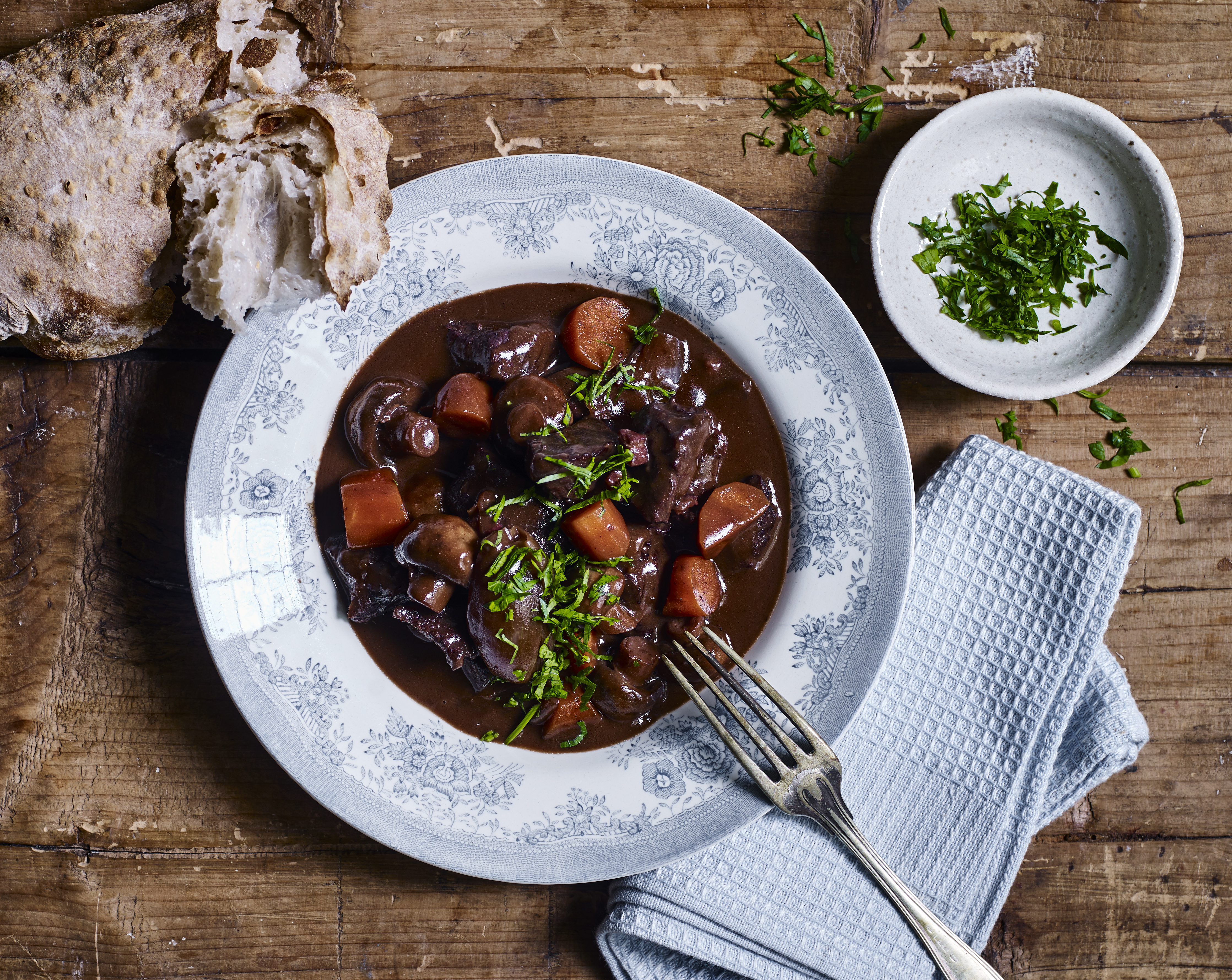
(Suggested image alt-text: “Plated beef bourguignon served with mashed potatoes and fresh herbs.”)
Why Beef Captures the Essence of Global Flavors
Beef bourguignon stands as a testament to how a regional specialty can resonate worldwide, blending history with everyday appeal. Its slow braising technique and use of local elements like Burgundy wine and beef highlight the dish’s role in preserving cultural narratives. For home cooks, it offers a practical way to explore authentic recipes, fostering connections to French traditions through familiar steps.
This stew enriches culinary journeys by inviting experimentation within bounds, such as subtle variations that respect its origins. Travelers find in it a bridge to Burgundy’s landscapes, while enthusiasts appreciate its adaptability for modern tables. Ultimately, beef bourguignon encourages savoring global foods thoughtfully, whether in a quiet kitchen or during foodie travel explorations.


