

First Taste: Uncovering the Soul of the Sunday Roast UK
As the clock strikes midday on any given Sunday across the British Isles, a familiar, comforting aroma begins to drift from kitchen windows. It is the scent of slow-cooked meat, earthy root vegetables, and the crisp, savory note of batter rising in a hot oven. The Sunday Roast is more than just a weekly meal; it is a cultural cornerstone that defines the rhythm of British life. For centuries, this tradition has served as a reliable anchor for families and friends, providing a dedicated space for connection and reflection at the end of the week.
Historically, the Sunday roast was the centerpiece of a day of rest. It represents a transition from the labor of the week to the quietude of the Sabbath. While modern lifestyles have become increasingly fast-paced, the allure of the “Sunday dinner” remains unchanged. Whether served in a quiet rural cottage or a bustling city gastropub, the meal captures the essence of British hospitality—unpretentious, generous, and deeply rooted in the seasons. For the traveler or the home cook, understanding the Sunday Roast UK is a gateway to appreciating the broader landscape of global foods and the universal human desire for a communal table.
The Roots of the Sunday Roast UK: History, Origins, and Cultural Meaning
The lineage of the Sunday roast can be traced back to the medieval era, though its modern form took shape during the Industrial Revolution. In the Middle Ages, the village serfs would often perform military drills on Sundays, after which they were rewarded with a feast of oxen roasted on a spit. This established the connection between the day of rest and the consumption of high-quality roasted meats.
The Baker’s Oven and the Industrial Shift
During the late 18th and 19th centuries, the tradition evolved to meet the needs of the working class. Most humble households did not possess a large oven capable of roasting a substantial joint of meat. Families would drop their meat off at the local bakery on their way to church. Since bakers did not bake bread on Sundays, their large ovens remained hot, providing the perfect environment for slow-roasting meat. On the way home from the service, families would collect their cooked meal, giving rise to the “baker’s roast” style.
The Symbolism of Beef
While chicken, lamb, and pork are common today, beef holds a special historical status in the British psyche. The Yeomen of the Guard, the ceremonial guardians of the Tower of London, are famously known as “Beefeaters” due to their historical privilege of consuming large quantities of roast beef. This association cemented the Sunday Roast UK as a symbol of national identity and prosperity.
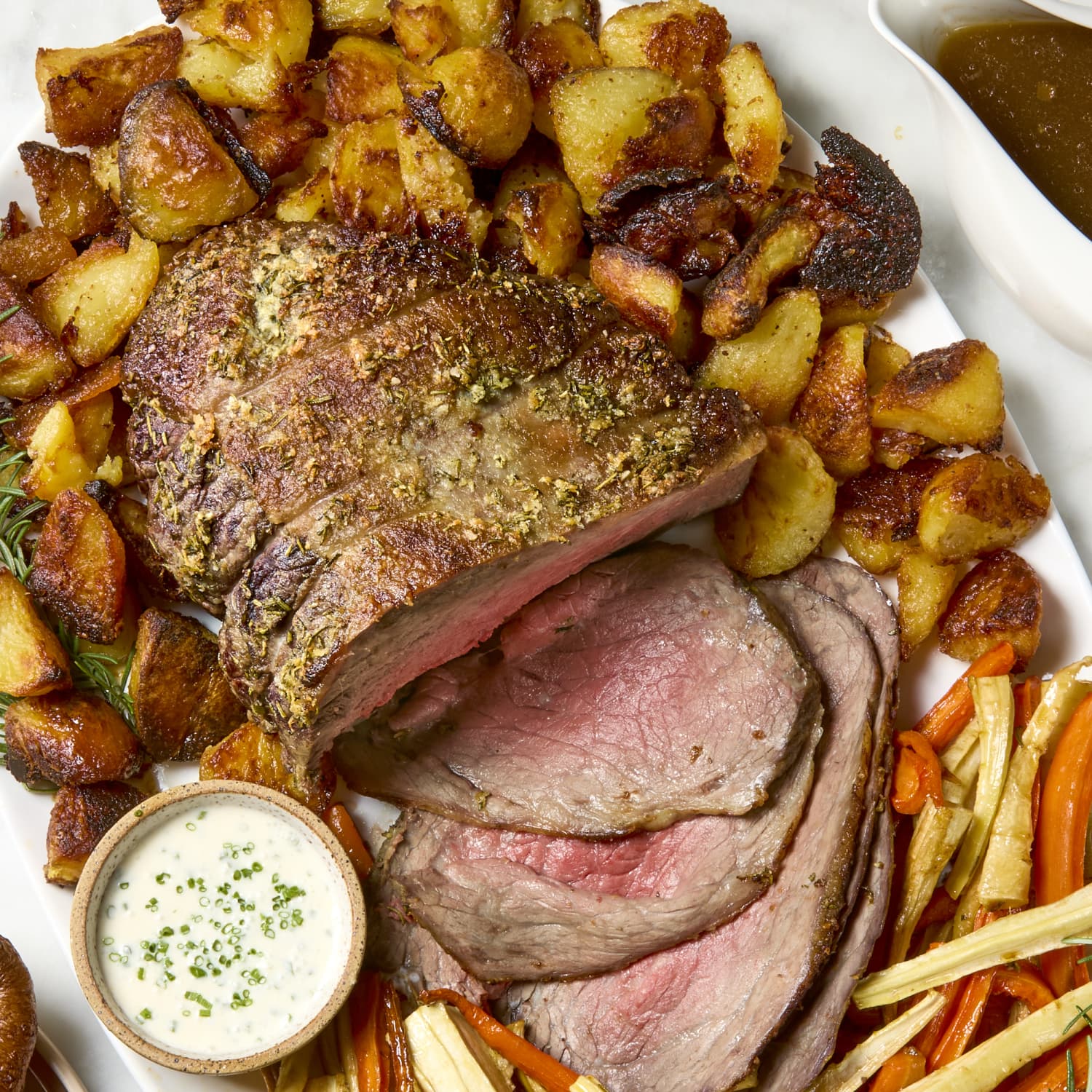
Crafting the Sunday Roast UK: Authentic Ingredients, Preparation, and Variations
To recreate an authentic Sunday roast at home, one must view the plate as a balanced ecosystem of textures and flavors. While the meat is often the star, the supporting elements—the potatoes, the pudding, and the gravy—are what truly elevate the experience.
Essential Ingredients
The Main Roast: Typically a joint of beef (topside or rib), a leg of lamb with rosemary, a loin of pork with crackling, or a whole roast chicken with lemon and thyme.
The Roast Potatoes: High-starch varieties (like Maris Piper or King Edward) are preferred for their ability to become fluffy inside and glass-crisp outside.
Yorkshire Puddings: A simple batter of eggs, flour, and milk, baked at high heat until they rise into airy, golden cups.
Seasonal Vegetables: Honey-glazed carrots, parsnips, steamed shredded cabbage, or “cauliflower cheese” (cauliflower baked in a rich béchamel).
The Gravy: A deep, savory sauce made from the pan drippings, enriched with stock and perhaps a touch of mustard or onion.
Classic Condiments: Horseradish for beef, mint sauce for lamb, apple sauce for pork, and cranberry or bread sauce for chicken.
Preparation: Step-by-Step Guidance
Prepare the Meat: Season the meat generously with salt and pepper. For beef or lamb, searing the exterior in a hot pan before roasting helps lock in juices. Use a meat thermometer to ensure the center reaches the desired temperature (e.g., 52°C/125°F for rare beef).
The Secret to Potatoes: Peel and chop potatoes into large chunks. Parboil them in salted water for about 8–10 minutes until the edges are soft. Drain and shake them vigorously in the pot to “ruffle” the edges—this creates the surface area for maximum crispness.
Roasting the Potatoes: Heat fat (vegetable oil or beef dripping) in a roasting tin until it is shimmering hot. Carefully add the potatoes and roast at 200°C (400°F) until golden brown, turning occasionally.
Yorkshire Pudding Mastery: Whisk the batter until smooth and let it rest for at least 30 minutes. Pour the batter into muffin tins containing highly heated oil. Do not open the oven door during the first 15 minutes of baking, or they will collapse.
Resting the Meat: This is the most vital step. Once the meat is removed from the oven, let it rest for 20–30 minutes. This allows the fibers to relax and the juices to redistribute, ensuring a tender slice.
The Gravy Assembly: While the meat rests, deglaze the roasting pan with stock. Scrape up the caramelized bits (the “fond”) from the bottom, thicken with a little flour or cornstarch, and simmer until glossy.
Tasting the World: Where and How to Experience the Sunday Roast UK
For those engaged in culinary tourism, experiencing a Sunday roast in its natural habitat is an essential part of any UK itinerary. The tradition has permeated every level of the dining scene, from high-end urban restaurants to the most remote countryside inns.
The Gastropub Tradition
The British “gastropub” movement has revitalized the Sunday roast, focusing on high-quality, locally sourced ingredients. In regions like the Cotswolds or the Yorkshire Dales, pubs often feature meat from nearby farms, providing a farm-to-table experience that reflects the local terroir. Travelers should look for “Sunday Service” signs, which usually indicate that the roast is served from noon until the meat runs out (often by late afternoon).
Regional Nuances
The North of England: Here, the Yorkshire pudding is king. In some traditional settings, a large pudding is served as a starter with gravy to “dull the appetite” before the more expensive meat arrives.
Wales: Roast lamb is the frequent favorite, often served with a pungent, sweet-and-sour mint sauce made from fresh garden mint, sugar, and vinegar.
Coastal Regions: While beef remains popular, you may find roast poultry or even game birds like pheasant appearing on the Sunday menu during the autumn months.
Foodie Insights: Tips for Enjoying and Recreating the Sunday Roast UK
To truly master the art of the Sunday roast or to enjoy it like a local, consider these practical insights:
Timing is Everything: The greatest challenge of a Sunday roast is “the landing”—ensuring the meat, potatoes, and vegetables are all hot and ready at the same time. Use a written schedule to work backward from your serving time.
Don’t Fear the Fat: To achieve the iconic crunch of a roast potato, the fat must be incredibly hot before the potatoes are added. Many traditional cooks use beef dripping for its high smoke point and deep flavor.
Vegetarian Adaptations: The “Nut Roast”—a savory loaf made from toasted nuts, grains, and herbs—is the standard meat-free alternative. When served with all the traditional trimmings and a vegetarian onion gravy, it offers a similarly hearty experience.
The “Monday” Leftovers: Historically, the Sunday roast provided the base for the week’s meals. “Bubble and Squeak” is a famous dish made by frying leftover mashed potatoes and cabbage until crispy—a delicious example of sustainable, zero-waste cooking.
Best Occasions: While it is a weekly staple, the “Grand Roast” is the centerpiece of major holidays like Easter and Christmas (where turkey usually takes the lead).
Why the Sunday Roast UK Captures the Essence of Global Flavors
The Sunday Roast UK stands as a testament to the power of culinary continuity. In an era of “fusion” and “fast food,” it remains a bastion of slow, intentional cooking. It teaches us that the best meals are often those that require patience—the slow rendering of fat, the steady rise of a pudding, and the quiet resting of a joint of meat.
For the global food enthusiast, the roast is a reminder that every culture has its “hearth” meal—that one dish that signifies home, safety, and community. Whether you are exploring the narrow lanes of a British village or experimenting with a roasting tin in your own kitchen, the Sunday roast offers a sensory journey into the heart of British heritage. It is a meal that invites you to slow down, put away the distractions of the week, and savor the simple, robust flavors of the earth.
By embracing the techniques and history of this iconic dish, home cooks can bring a piece of British tradition to their own tables, fostering the same spirit of togetherness that has defined Sunday afternoons in the UK for generations.


Just logged in to b777casinologin. Smooth process, simple and straightforward. Exactly what I need after a long day. Ready to unwind. You can log in here b777casinologin.
Alright listen up, jilimkcasino’s got some cool games. Been playing a bit and it’s pretty fun. Give it a whirl, you might like it. Check it out jilimkcasino.
Hey gamers, been seeing 777toofan around. Looks like a wild ride! Anyone tried it out? Let me know what you think. Check it out 777toofan.