

Imagine stepping off the plane at Paris Charles de Gaulle Airport, the hum of multilingual conversations filling the air as you navigate toward customs. As one of France’s primary international gateways, this bustling hub marks the start of many journeys into a land where historic landmarks blend with everyday elegance. France draws visitors with its layered appeal—think wandering cobblestone streets in Paris, savoring regional flavors in Provence, or tracing coastal paths along the Riviera. Smart travel planning tips ensure these moments unfold without unnecessary hurdles, allowing focus on the country’s unique rhythm of life.
For those embarking on a trip to France, preparation centers on understanding entry basics, local navigation, and cultural nuances. Whether arriving for a short cultural immersion or an extended exploration, thoughtful steps like checking visa requirements and mapping transport options make the difference. France rewards planners with seamless transitions between urban energy and rural serenity, from efficient rail links to walkable neighborhoods. This travel guide for France emphasizes practical insights, such as packing for variable weather and embracing flexible itineraries that highlight top travel destinations.
Key to confident travel in France is recognizing its seasonal shifts: spring brings blooming gardens ideal for outdoor pursuits, while autumn offers milder crowds at iconic sites. Summer vibrates with festivals, though it calls for advance reservations in popular areas; winter suits those seeking cozy indoor experiences like museum visits. By aligning plans with personal interests—be it art, cuisine, or nature—travelers unlock authentic connections. For instance, many find joy in simple routines like morning markets or evening strolls, which reflect France’s emphasis on balanced living. This approach not only eases logistics but inspires deeper engagement with cultural highlights, turning a visit into a memorable narrative.
Smooth Arrival: Entry Requirements and First Steps in France
Entry into France follows Schengen Area guidelines, making it straightforward for many nationalities. Travelers from visa-exempt countries, such as the United States, can stay up to 90 days within a 180-day period for tourism or business without a visa. Ensure your passport remains valid for at least three months beyond your planned departure date from the Schengen zone—airlines may deny boarding otherwise. For longer stays or specific purposes like work or study, a long-stay national visa is required, applied for in advance through French consulates.
As of early 2026, upcoming changes include the European Travel Information and Authorization System (ETIAS), expected to launch later in the year for visa-exempt visitors. This online authorization, similar to an e-visa, will involve a quick application and small fee before travel. In the meantime, standard border checks apply: present a valid passport, and be prepared to show proof of onward travel, accommodation, and sufficient funds if requested. Health-related requirements, such as vaccination proof, are minimal but worth confirming via official sources for any updates.
Upon arrival, first steps often involve clearing immigration efficiently—queues can vary, so allocate time. Many travelers encounter multilingual signage and helpful staff at major ports. Collect luggage promptly, then consider immediate needs like local currency or connectivity. ATMs are widely available post-customs, and SIM cards for mobile data can be purchased at airport kiosks. These preparations set a solid foundation for exploring France’s cultural experiences, from urban hubs to countryside retreats.
- Visa Checklist: Confirm exemption status; apply early if needed.
- Passport Tip: Renew if validity is close to expiring.
- Border Prep: Have digital or printed proofs ready for smooth processing.
From Gate to Ground: Navigating Your Entry Airport in France
Paris Charles de Gaulle Airport (CDG) serves as a key entry point, with its three terminals connected by free shuttles like CDGVAL for easy movement. Facilities include currency exchanges, information desks, and rest areas to ease jet lag. After collecting baggage, follow clear signs to ground transport—options abound for reaching city centers or hotels.
Public transport shines here: the RER B train links directly to central Paris in about 30-50 minutes, ideal for those preferring efficient, eco-friendly rides. Buses like Roissybus offer another route to areas like Opéra, departing frequently from terminals. For flexibility, taxis or rideshares provide door-to-door service, though traffic can extend travel times—plan for up to an hour to central districts. Private shuttles cater to groups or those with extra luggage, connecting to other airports or destinations like Disneyland Paris.
Practical hacks include downloading airport apps for real-time updates and using free Wi-Fi to coordinate pickups. Many visitors appreciate the airport’s amenities, such as lounges for a quiet start or quick eateries for a first taste of French pastries. These choices align with broader travel planning tips for France, ensuring a grounded beginning to your adventure.
- Transport Options: RER for speed; buses for scenic views.
- Luggage Tip: Use carts freely available near exits.
- Connectivity: Grab a local SIM early for navigation apps.
Finding Your Haven: Accommodation Styles and Ideal Areas in France
France offers diverse stays that match traveler preferences, from cozy guesthouses to boutique options emphasizing local charm. In Paris, central areas near the Seine provide walkable access to landmarks, fostering immersion in daily life. For a quieter vibe, neighborhoods like Montmartre blend artistic heritage with residential calm, suitable for those seeking cultural fit over bustle.
Beyond the capital, regions like Provence feature rural retreats amid lavender fields, ideal for nature lovers. Coastal spots along the Côte d’Azur offer seaside vibes with proximity to beaches and markets. Consider amenities like Wi-Fi and breakfast inclusions when selecting—many mid-range choices provide these as standard. Location matters: stays near train stations ease inter-city moves, while those in historic quarters enhance experiential depth.
Thoughtful selection ties into overall travel itineraries, allowing restful bases for day explorations. For more ideas, explore our Hotels category for area-specific inspirations.
- Style Varieties: Hostels for budget; boutiques for character.
- Area Considerations: Central for convenience; regional for serenity.
- Booking Insight: Prioritize proximity to transport hubs.
Tasting the Local Way: Dining Experiences and Food Tips in France
Dining in France revolves around savoring moments, with meals often extending into social rituals. Local cuisine highlights fresh ingredients—think crusty baguettes, cheeses, and seasonal produce. Street markets offer casual introductions, where travelers sample regional specialties like Provençal olives or Breton crepes.
Cafés provide everyday settings for light bites, such as coffee with croissants, while bistros serve heartier fare emphasizing balance. Cultural norms include starting with an apéritif and enjoying complimentary bread and tap water. For variety, explore casual spots for quick lunches or more structured dinners featuring multi-course options.
These experiences enrich trips, reflecting France’s food heritage. For deeper dives, check our Foods and Restaurants categories.
- Meal Tips: Embrace long lunches; try local markets.
- Etiquette Basics: Greet with “bonjour”; request “l’addition” for the bill.
- Dietary Notes: Many spots accommodate preferences with notice.
Mapping Your Adventure: Flexible 5–7 Day Itinerary Ideas for France
A 5-7 day stay in France allows focused exploration, often starting in Paris with day trips. Customize based on pace—active travelers might add hikes, while others prioritize relaxation.
Day 1: Arrival and Paris Orientation Settle in centrally, stroll the Seine, visit Notre-Dame area. Evening: Riverside walk for ambiance.
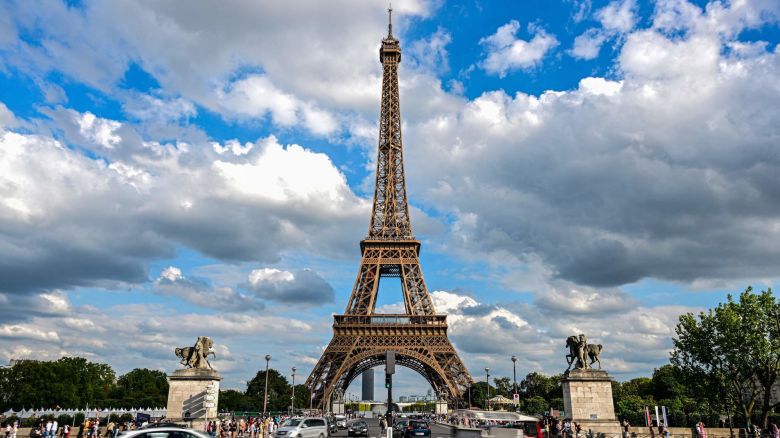
Day 2: Iconic Paris Highlights Morning at Eiffel Tower, afternoon Louvre exploration. Travel time: Walk or metro, under 30 minutes between sites.
Day 3: Day Trip to Versailles Train to palace gardens; return for Montmartre evening. Pacing: Half-day outing keeps energy high.
Day 4: Head South to Provence Train to Avignon; explore historic center, nearby villages. Customization: Add wine region stops.
Day 5: Provence Immersion Visit lavender fields or markets; relaxed pace suits scenic drives.
Day 6: Côte d’Azur Extension Train to Nice; beach time, old town wander. For shorter trips, loop back to Paris.
Day 7: Departure Prep Morning market visit; afternoon travel to airport.
These ideas highlight best things to do in France, blending culture and nature. For expansions, see our Destinations category.
- Pacing Hacks: Build in rest days; use trains for efficiency.
- Customization: Adjust for seasons—summer for coasts, fall for vineyards.
Getting Around with Ease: Transport Choices Across Paris
France’s transport network facilitates seamless movement, with SNCF trains leading for inter-city travel. High-speed TGVs connect Paris to Lyon in two hours or Bordeaux in three, offering comfort and views.
Local options include metros in cities like Paris, trams in Bordeaux, and buses everywhere. Rideshares like BlaBlaCar provide budget-friendly alternatives for longer routes, often with local insights.
Safety tips: Validate tickets; watch belongings in crowds. These choices support budget travel hacks, making exploration accessible.
- Train Essentials: Book ahead for deals; use apps for schedules.
- Urban Mobility: Bikes or walking for short distances.
- Rideshare Note: Verify drivers; ideal for rural areas.
Thoughtful Touches: Packing, Souvenirs, and Departure Advice
Packing for France means layers for variable weather—comfortable shoes for walking, a light jacket, and an umbrella. Essentials include adapters for European plugs and reusable water bottles.
Souvenirs might include artisanal crafts like scarves or soaps; avoid restricted items like certain foods. Responsible choices support local artisans.
For departure, arrive at airports like CDG two-three hours early. Security involves removing liquids; use apps for gate updates. Many encounter smooth processes with preparation.
- Packing Checklist: Weather-appropriate layers; essentials kit.
- Souvenir Ideas: Cultural items; check customs rules.
- Exit Prep: Confirm terminal; allow buffer time.
Smart preparation unlocks France’s essence, from efficient arrivals to enriching itineraries that weave cultural threads. Key takeaways include verifying entry requirements, embracing flexible transport, and packing thoughtfully for comfort. This approach suits travelers who appreciate structured yet authentic immersion, where historic sites meet everyday discoveries.
France fits those drawn to diverse landscapes and traditions, potentially fast-paced in cities but rewarding in quieter regions. With these travel planning tips for France, embark confidently, ready to create lasting memories through mindful exploration.


I found Awin68 awin168.org official channels links for Awin platform. Here is the link: awin68 awin168.org
Codere Mexico is my go-to when I wanna chill and play some games online. Easy to navigate and always something new to try. Thumbs up! codere mexico
The fancybetapp mobile experience is surprisingly smooth! Super convenient for placing bets on the go. Download and see: fancybetapp.
Yo, CK333apk is legit! Found some awesome app downloads there. Super easy to navigate, too. Definitely worth checking out for your APK needs. ck333apk
Nhacai67win is where it’s at! Been playing there for a while now, good selection of games and the payouts are pretty quick. If you’re looking for a new spot, give them a shot. nhacai67win