
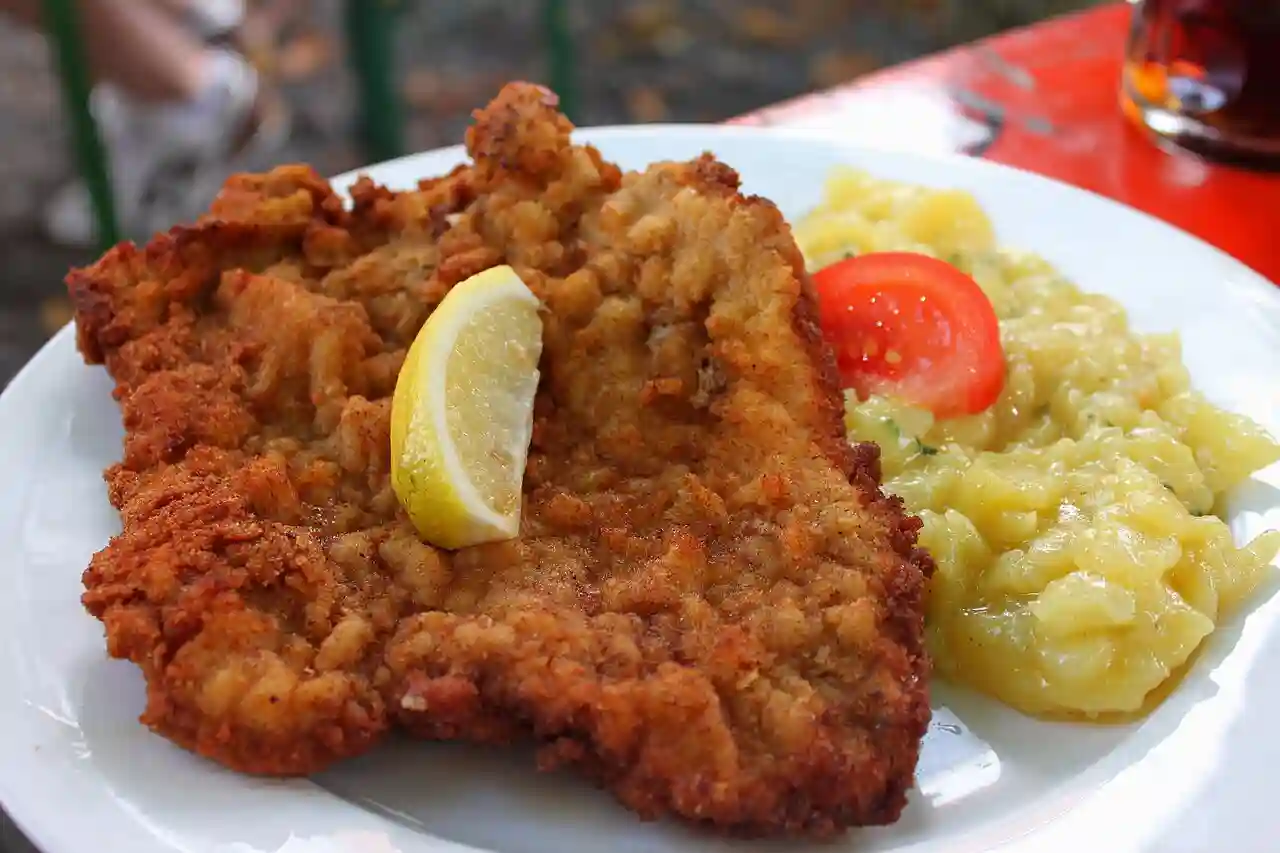
Schnitzel, a quintessential cultural dish hailing from Central Europe, captivates food enthusiasts with its crispy exterior and tender interior. This breaded and fried cutlet, often made from veal, pork, or chicken, represents more than just a meal—it’s a gateway to exploring global foods and authentic recipes. For foodies seeking culinary tourism experiences, Schnitzel offers a delicious entry point into the heart of Austrian and German traditions, inspiring travelers to savor its flavors in historic eateries or bustling markets. Whether you’re a seasoned gourmet or a curious home cook, understanding Schnitzel enriches your culinary journey, blending history with hands-on preparation.
Cultural Significance
The history of Schnitzel traces back to the 19th century in Austria, where it evolved into the iconic Wiener Schnitzel, a protected cultural dish under Austrian law. Originating from Milanese influences—think the Italian cotoletta alla milanese—this preparation method of pounding meat thin, breading it, and frying it to perfection became a staple in Viennese cuisine. By the mid-1800s, Schnitzel had cemented its place in Austrian households and imperial courts, symbolizing comfort and elegance in global foods.
Beyond Austria, Schnitzel variations reflect diverse cultural roles across Europe. In Germany, it’s often served as Jägerschnitzel with mushroom sauce, embodying hearty, everyday fare in Bavarian beer halls. In Eastern Europe, similar dishes like Polish kotlet schabowy highlight its adaptability as festival food during holidays and family gatherings. As one of the most beloved cultural dishes, Schnitzel fosters community bonds, appearing in celebrations and casual meals alike. Its enduring popularity underscores how global foods like Schnitzel bridge traditions, inviting foodies to appreciate the stories behind each bite.
This cultural significance extends to modern interpretations, where Schnitzel inspires fusion cuisine worldwide. From Asian-infused versions with spicy breadcrumbs to vegetarian alternatives using eggplant or tofu, it remains a versatile emblem of culinary evolution. For those passionate about cultural dishes, Schnitzel exemplifies how a simple technique can transcend borders, enriching our understanding of global foods and their societal impacts.
Recipe or Culinary Details
Crafting an authentic Schnitzel recipe at home is a rewarding way to dive into gourmet meals. The classic Wiener Schnitzel, made with veal, demands precision for that signature crunch. Start with high-quality ingredients: four veal cutlets (about 150g each), pounded to ¼-inch thickness; two eggs; 200g flour; 200g fine breadcrumbs; salt; clarified butter or neutral oil for frying; and lemon wedges for serving.
Begin by seasoning the cutlets with salt. Set up a breading station: one plate with flour, another with beaten eggs, and a third with breadcrumbs. Dredge each cutlet in flour, shaking off excess, then dip in eggs, and coat thoroughly in breadcrumbs. Press gently to ensure even coverage—this step is crucial for the authentic recipe’s texture.
Heat clarified butter in a large skillet over medium-high heat until shimmering. Fry the cutlets one or two at a time, about 3-4 minutes per side, until golden brown. Avoid overcrowding to maintain crispiness. Drain on paper towels and serve immediately with lemon, which cuts through the richness. For variations, try pork for a more affordable gourmet meal or chicken for a lighter twist.
Key to authentic recipes like this Schnitzel is using fresh breadcrumbs and frying in butter for that nutty flavor. Pair it with potato salad or cucumber slaw for a complete dish. This hands-on process not only yields delicious results but also connects you to the artistry of global foods, making it ideal for home cooks exploring gourmet meals.
Culinary Tourism Connection
Culinary tourism thrives around Schnitzel, drawing travelers to destinations where it’s a star in the food scene. Vienna, Austria, stands as the epicenter, with historic spots like Figlmüller offering the best Schnitzel in oversized portions that spill over the plate. Here, culinary tourism in Europe comes alive in cozy heurigen (wine taverns) or grand cafes, where Schnitzel pairs with local wines amid baroque architecture.
Venture to Germany for a different take, such as in Munich’s Viktualienmarkt, a vibrant street market buzzing with vendors serving Jägerschnitzel alongside pretzels. Culinary tourism in Bavaria immerses visitors in Oktoberfest vibes year-round, blending Schnitzel with beer culture for an unforgettable experience. Beyond Central Europe, Israel boasts its own version, influenced by Ashkenazi Jewish immigrants, found in Tel Aviv’s bustling shuks as a fusion street eat.
These spots highlight Schnitzel’s role in top travel destinations, from fine-dining restaurants elevating it to gourmet status to casual food trucks reimagining it for on-the-go bites. Engaging in culinary tourism through Schnitzel allows foodies to explore related cultural experiences, like cooking classes in Vienna or market tours in Berlin, fostering a deeper appreciation for global foods.
Insider Tips
For foodie travel enthusiasts, chasing the perfect Schnitzel involves savvy strategies. Seek out family-run establishments in Vienna for the most authentic versions—places like Plachutta emphasize tradition without the tourist crowds. When in Germany, opt for the best Schnitzel in Nuremberg’s old town, where it’s often served with Franconian wines for an ideal pairing.
Timing matters: Visit during festivals like Vienna’s Wiener Wiesn for Schnitzel specials amid lively atmospheres, enhancing your culinary journey. For pairings, complement the dish with crisp whites like Grüner Veltliner or light beers, keeping the focus on flavor harmony rather than excess.
Vegetarian travelers can enjoy plant-based Schnitzel in progressive spots across Berlin, where innovative chefs use seitan or mushrooms. Always ask locals for hidden gems—foodie travel thrives on word-of-mouth recommendations. Pack light layers for market hopping, and consider joining guided tours for insider access to Schnitzel-making workshops.
These tips transform a simple meal into a memorable part of your foodie travel, inspiring endless exploration of cultural dishes and gourmet meals.
Schnitzel stands as a timeless must-try for travelers, encapsulating the essence of cultural dishes through its rich history and versatile appeal. From its Austrian roots to global adaptations, it invites foodies to embark on a culinary journey filled with authentic recipes and vibrant destinations. Whether frying it at home or savoring it abroad, Schnitzel inspires wanderlust, encouraging you to explore more global foods and deepen your connection to the world’s culinary tapestry. Let this iconic dish fuel your next adventure in culinary tourism.


Need a reliable Bong88 agent? bong88comibet888 seems like a good option. I’ve heard positive things from friends. Give them a look: bong88comibet888