Park Hyatt Tokyo Renovation 2026: Inside the Shinjuku Icon
The high-end hospitality landscape in Japan’s capital is undergoing a major shift, anchored by important Tokyo luxury hotel news. Following a comprehensive 19-month closure that began in mid-2024, the Park Hyatt Tokyo renovation 2026 marks a significant milestone for urban hospitality in West Shinjuku. Positioned across the upper floors of Kenzo Tange’s landmark Shinjuku Park Tower, the hotel has long served as a benchmark for elevated city stays. For international travelers seeking a high-end Japan accommodation guide, this project reflects how a pioneer of Japanese luxury hospitality can modernize its physical environment while preserving its foundational atmosphere.
Whether you are planning a winter stay or looking ahead to spring cherry blossom travel, understanding these structural changes is essential for smart trip planning. The property’s renewal goes beyond surface cosmetics, introducing reconfigured room categories, overhauled dining concepts, and updated wellness facilities. For discerning guests exploring luxury travel updates Tokyo, the reborn property offers fresh insights into modern luxury standards in East Asia.
Shinjuku Luxury Hotels Guide: Location and Arrival Context
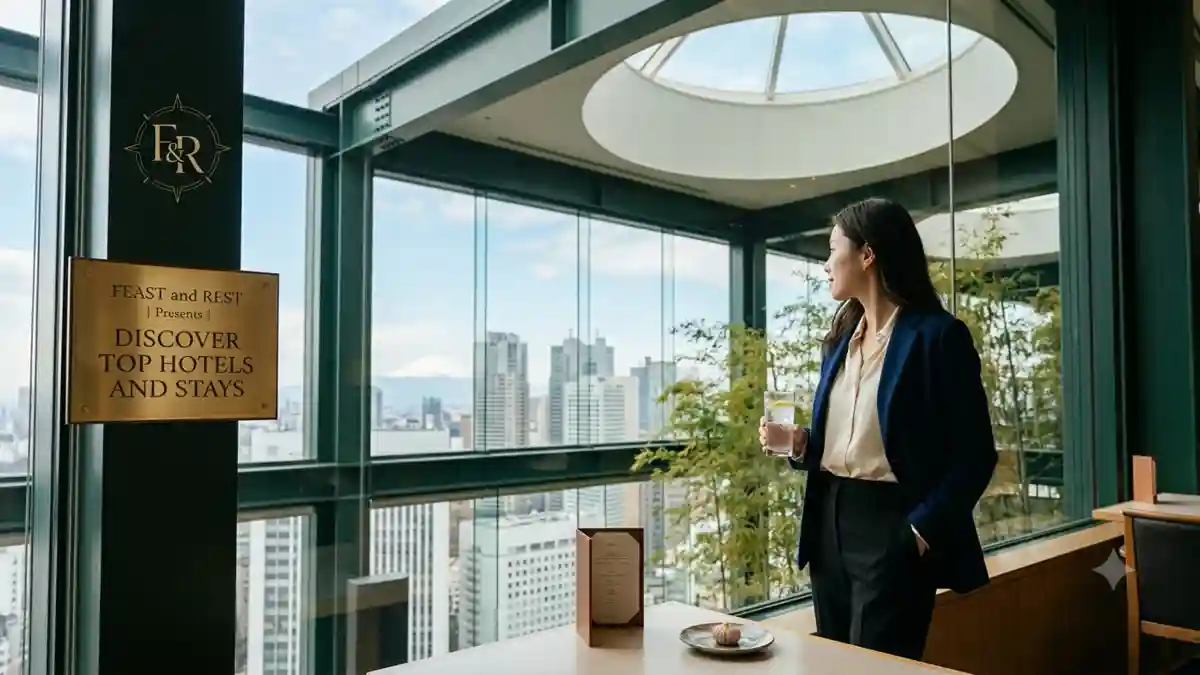
Situated in the Nishi-Shinjuku business district, the hotel occupies floors 39 through 52 of the triple-peaked Shinjuku Park Tower. This elevated location provides a distinct spatial buffer from the dense pedestrian energy surrounding Shinjuku Station. While the surrounding neighborhood is dominated by municipal government offices and corporate headquarters, guests enjoy panoramic views spanning the Tokyo skyline toward Mount Fuji on clear days.
Arrival at the hotel remains one of the most deliberate arrival sequences in global hospitality. Guests enter at ground level and ascend directly to the 41st-floor Sky Lobby, where soaring glass atriums and natural light establish an immediate sense of quiet detachment. This physical separation from the street grid makes the property a practical option for travelers who want easy access to central transit hubs without being immersed in constant street-level noise.
For airport connections, Narita International Airport sits roughly 80 to 90 minutes away by express train or private transfer, while Haneda Airport can be reached in approximately 30 to 45 minutes depending on traffic. The hotel operates a regular shuttle service to Shinjuku Station, providing direct links to the Yamanote Line and broader regional rail networks. Walking to the station takes roughly 12 to 15 minutes through underground walkways or along the tree-lined avenues of Shinjuku Central Park.
Design Transformation Under Studio Jouin Manku
The physical transformation was led by Paris-based Studio Jouin Manku, marking the hotel’s first top-to-bottom architectural overhaul since its original 1994 debut. The original interior concept, crafted three decades ago by designer John Morford, was celebrated for its residential scale, dark timber framing, and warm lighting choices. Jouin Manku’s mandate focused on respecting that existing visual language while introducing softer geometry, tactile natural materials, and improved spatial fluidity.
According to project details released by the design team, key structural elements from the original build have been retained. Iconic items such as Isamu Noguchi’s custom washi paper lamps and the hotel’s signature green and anthracite color accents remain central to the visual narrative. However, the studio introduced subtle updates, including softened acoustic wall paneling, revised lighting schemes, and custom-milled woodwork that allows natural sunlight to filter deeper into interior corridors.
The artistic curation across common areas has also been expanded. Newly commissioned lithographs, traditional Japanese paper art, and contemporary sculptures are integrated into public walkways. This balance ensures that returning guests recognize the familiar atmosphere of the property, while first-time visitors experience a space that feels contemporary rather than nostalgic.
+-----------------------------------------------------------------------------------+
|                        PARK HYATT TOKYO AT A GLANCE                               |
+-----------------------------------------------------------------------------------+
| Attribute          | Detail / Specification                                       |
+--------------------+--------------------------------------------------------------+
| Location           | Shinjuku Park Tower (Floors 39-52), Nishi-Shinjuku           |
| Architecture Lead  | Studio Jouin Manku (Original interior by John Morford)       |
| Total Key Count    | 171 rooms and suites (reduced from 177)                      |
| Primary Dining     | Girandole by Alain Ducasse, New York Grill, Kozue            |
| Wellness Hub       | Club On The Park (45th & 47th floors)                        |
| Transport Access   | Complimentary shuttle to Shinjuku Station; taxi to Haneda    |
+-----------------------------------------------------------------------------------+
Park Hyatt Tokyo Suites Review: Accommodation and Layout Updates
As part of the structural floor plan revision, the overall key count was reduced from 177 to 171 inventory units. This slight reduction allowed the design team to enlarge select living areas and introduce a dedicated Park Suite category aimed at long-stay travelers and families desiring separate lounge zones.
In standard Deluxe Rooms, which start at a generous 55 square meters (592 square feet), floor-to-ceiling windows frameless views across the city skyline. The room configuration places a strong emphasis on functional zones. The entryway flows into a dedicated dressing area and walk-in closet, which then connects to a Japanese-style wet room bathroom featuring deep soaking tubs and separate rain showers finished in imported marble.
The specialty suites have seen significant layout refinements:
Park Suite (85 sq m / 915 sq ft): Introduced to bridge the gap between standard rooms and specialty layouts. Features a separate living and dining area, custom dressing rooms, and wide vistas overlooking Meiji Shrine and Yoyogi Park.
Diplomat Suite (160 sq m / 1,722 sq ft): Oriented toward the south and east on high floors, this layout incorporates mid-century walnut furnishings, an Italian marble dining table for six, and a Yamaha grand piano.
Governor’s Suite (140 sq m / 1,506 sq ft): Designed around a restrained palette of bordeaux tones and pale hinoki wood. The bathroom features a traditional hinoki wood soaking tub paired with Ombra di Caravaggio marble.
Presidential Suite (290 sq m / 3,122 sq ft): Set on the 51st floor, this top-tier accommodation features three distinct salon spaces—a library, formal dining room, and lounge—alongside a jet bath, steam sauna, and panoramic views of Mount Fuji.
Modern in-room amenities have been upgraded across all categories. Guests can expect Frette linens, Aesop bath amenities, Dyson Hair Care appliances, Nespresso machines, and LG smart televisions paired with Bose soundbar systems.
Reimagined Dining Outlets and the Park Hyatt Tokyo Dining Menu
Dining has always been a central pillar of the hotel’s identity, and the updated culinary offerings reflect both continuity and new creative partnerships. The most prominent addition is Girandole by Alain Ducasse, developed in collaboration with the Ducasse Paris Group. Replacing the previous all-day dining venue, this reimagined space operates as a modern French brasserie, incorporating health-conscious culinary techniques with regional Japanese seasonal produce.
+-----------------------------------------------------------------------------------+
|                       PRIMARY ON-PROPERTY CULINARY OUTLETS                        |
+-----------------------------------------------------------------------------------+
| Venue                    | Cuisine Style                  | Key Highlight         |
+--------------------------+--------------------------------+-----------------------+
| Girandole by Alain Ducasse| Modern French Brasserie        | Health-conscious menus|
| New York Grill & Bar     | Premium Grills & Wine          | 52nd-floor views & jazz|
| Kozue                    | Contemporary Japanese (Kaiseki)| Seasonal local ingredients|
| The Peak Lounge & Bar    | Light Dining & Afternoon Tea   | Glass atrium setting  |
| Delicatessen             | Casual Comfort & Takeaway      | First-floor tower access|
+-----------------------------------------------------------------------------------+
On the 52nd floor, the iconic New York Grill & Bar maintains its dramatic black-and-chrome design and soaring vertical space. Known globally for its association with contemporary cinema, the restaurant continues to showcase prime cuts of beef, an extensive international wine cellar, and nightly live jazz performances against the backdrop of Tokyo’s nighttime skyline.
Japanese restaurant Kozue continues its commitment to seasonal kaiseki-style dining, serving multi-course menus crafted from regional ingredients sourced across Japan. Meanwhile, The Peak Lounge & Bar under the 41st-floor glass atrium provides an airy venue for afternoon tea service and evening cocktails.
At ground level within Shinjuku Park Tower, the hotel’s Delicatessen provides a more casual dining option. Reopening with a refreshed concept, it features Roman-style pinsa, freshly prepared lasagna, organic salads, and artisanal desserts. During select seasonal periods, the venue hosts the popular Park Brewery pop-up, offering house-crafted draft beers for hotel guests and neighborhood visitors.
High-Altitude Wellness and Park Hyatt Tokyo Spa Packages
Spanning the 45th and 47th floors, Club On The Park remains one of the city’s most impressive urban wellness spaces. The facility centers around a 20-meter indoor swimming pool housed beneath a massive glass atrium, offering swimmers direct skyward views while exercising above the city.
The fitness center is equipped with late-generation Technogym cardio and strength machines, supported by dedicated studios for yoga and personal training sessions. Separate male and female wet areas feature traditional Japanese bathhouses, dry saunas, steam rooms, cold plunge pools, and whirlpools.
+-----------------------------------------------------------------------------------+
|                        CLUB ON THE PARK WELLNESS SUMMARY                          |
+-----------------------------------------------------------------------------------+
| Facility                 | Description & Access Context                           |
+--------------------------+--------------------------------+-----------------------+
| Indoor Swimming Pool     | 20-meter lap pool beneath a 47th-floor glass atrium    |
| Fitness Gym & Studio     | Equipped with Technogym gear; daily wellness classes  |
| Wet Facilities           | Saunas, steam rooms, cold plunges, and whirlpools     |
| Treatment Rooms          | 7 private suites for custom bodywork and facial care  |
+-----------------------------------------------------------------------------------+
The spa features seven private treatment rooms where therapists deliver customized wellness rituals. These treatments combine traditional Japanese bodywork techniques with Western hydrotherapy and facial care protocols. Based on available information, spa packages often combine multi-hour body treatments with access to the private wet facilities and seasonal afternoon tea at The Peak Lounge.
Tokyo 5-Star Hotel Opening: Context and Market Positioning
The return of the property comes at a time when competition among luxury hotels in Tokyo is at an all-time high. Over the past three years, several global luxury brands have opened flagship properties across Otemachi, Toranomon, and Ginza. However, the Shinjuku district offers a fundamentally different neighborhood experience compared to these financial and retail zones.
+-----------------------------------------------------------------------------------+
|                  TOKYO LUXURY NEIGHBORHOOD COMPARISON                             |
+-----------------------------------------------------------------------------------+
| Neighborhood       | General Atmosphere           | Best Suited For               |
+--------------------+------------------------------+-------------------------------+
| West Shinjuku      | Elevated, architectural, calm| High-floor seclusion & views  |
| Otemachi / Marunouchi| Corporate, heritage, manicured| Business & royal park access  |
| Ginza / Toranomon  | Retail-focused, vibrant, dense| Shopping & fine dining access |
| Roppongi / Akasaka | Cultural, diplomatic, nightlife| Art museums & evening dining |
+-----------------------------------------------------------------------------------+
For travelers evaluating high-end accommodation in Tokyo, the choice often comes down to personal travel priorities:
Seclusion vs. Immediate Access: West Shinjuku provides a quiet residential feel high above the streets, whereas Ginza or Marunouchi hotels put guests directly onto busy shopping avenues.
Architectural Legacy: Buildings designed by renowned architects like Kenzo Tange offer a distinct sense of scale and spatial history that newer glass towers rarely replicate.
Space Standards: Room sizes starting at 55 square meters remain well above the Tokyo luxury average, making the property particularly appealing for extended stays.
Japan Hotel Booking Tips for High-End Accommodation in Tokyo
Securing reservations at premier Tokyo properties requires strategic planning, particularly during peak travel seasons. Demand spikes sharply during the spring cherry blossom season (late March to early April) and the autumn foliage window (November to early December).
Here are practical guidelines to optimize your booking experience:
Book 4 to 6 Months Out: High-tier suites and specific view categories (such as Mount Fuji views) book out far in advance. Locking in dates early secures inventory before seasonal rate increases take effect.
Evaluate Loyalty Options Carefully: World of Hyatt members should review award category tiering prior to booking. While point redemptions offer strong value, blackout dates can apply during major holiday windows such as Golden Week (late April to early May) and New Year’s week.
Coordinate Dining Reservations Early: Signature outlets like New York Grill and Girandole accept table bookings several weeks ahead of stay dates. Reserving tables at the time of room confirmation avoids disappointment upon arrival.
Leverage Off-Peak Windows: Visiting during mid-winter (January and February) or the early summer rainy season (June) generally yields lower nightly rates and better availability for spa appointments and dining.
Understanding these booking dynamics ensures a smooth, stress-free stay at one of Asia’s most iconic urban retreats.
Stay sharp with Feast and Rest.
—
Source and Data Limitations
Primary Sources Used: Official press announcements from Hyatt Hotels Corporation, Studio Jouin Manku architectural project notes, and verified restaurant operational disclosures.
Known Project Delays: The comprehensive renovation project originally required a 19-month total site closure spanning from May 2024 through late 2025, with final food and beverage outlet schedules extending into 2026.
Information Exclusions: Specific future nightly room rates, exact seasonal menu pricing, and unannounced third-party commercial partnerships were intentionally excluded due to normal fluctuations in hospitality pricing schedules.
Uncertainty Factors: Publicly available operating hours for ground-floor retail outlets remain subject to seasonal adjustments by Shinjuku Park Tower management.