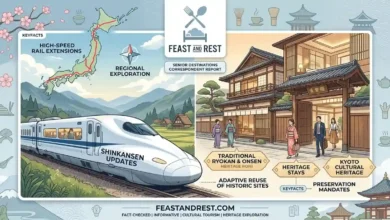
Japan luxury travel trends 2026 reflect a structural shift in inbound tourism spending across the country, as foreign visitors increasingly prioritize high-end experiential lodging over retail purchasing. In cultural centers like Kyoto, traditional ryokan stays, high end travel trends, and boutique hotel investments are redefining the regional hospitality landscape. The Kyoto hotel market is navigating high demand for authentic luxury accommodation Japan, driven by record visitor arrivals and institutional backing for heritage adaptive-reuse projects like The Hotel Seiryu Kyoto Kiyomizu.
Understanding Japan luxury travel trends 2026 requires evaluating the intersection of cultural heritage preservation and contemporary hospitality economics. Wealthy inbound travelers from North America, Europe, and Asia are shifting expenditures toward koto-sconsumption (experience-based consumption), elevating demand for authentic cultural immersion, private hot spring experiences, and architectural heritage properties. The Japan luxury tourism demand curve demonstrates that luxury properties now account for nearly half of total room revenue share across key metro hubs, encouraging robust ryokan investment potential and international hotel additions.
Key Facts: Japan Luxury Tourism Landscape
Total Market Valuation: USD 7.28 billion in 2025, projected to surpass USD 10 billion by 2034.
Inbound Volume: Exceeded 42.6 million international visitors in full-year arrivals.
High-Value Traveler Baseline: Japan National Tourism Organization (JNTO) classifies high-value travel starting at 1 million yen ($6,600+ USD) local spend per person.
Kyoto Tax Structure: Higher tier accommodation tax brackets applied to high-end stays to fund sustainable infrastructure.
Dominant Market Segment: Luxury accommodations command roughly 48% of room revenue market share nationwide.
Market Dynamics Driving Japan Luxury Tourism Demand
The macroeconomics of Japan hospitality economics have evolved rapidly. While early travel surges were bolstered by favorable exchange rates, the sustained expansion observed in Japan luxury travel trends 2026 is anchored by structural demand for unique cultural inventory. High-net-worth travelers are seeking properties that offer direct access to local traditions, historical sites, and preserved neighborhoods.
According to data released by the Japan Tourism Agency (JTA) and JNTO, inbound visitors are spending a higher proportion of their budgets on lodging than in previous decades. This preference for experiential lodging has prompted institutional investors to explore traditional ryokan stays and adaptive-reuse developments as high-yield assets. As a result, the Kyoto hotel market is witnessing a convergence of international luxury operators and meticulously preserved Japanese inns.
┌─────────────────────────────────────────────────────────────────────────┐
│                      JAPAN LUXURY TRAVEL MARKET                         │
├───────────────────────────────────┬─────────────────────────────────────┤
│ Demand Catalyst                   │ Key Industry Impact                 │
├───────────────────────────────────┼─────────────────────────────────────┤
│ Shift to "Koto" Experience        │ Higher spend on heritage stays      │
│ Surge in High-Net-Worth Visitors  │ Development of luxury room inventory│
│ Interest in Cultural Preservation │ Investment in adaptive-reuse hotels │
└───────────────────────────────────┴─────────────────────────────────────┘
The Evolution of Traditional Ryokan Stays and Adaptive Reuse
Traditional ryokan stays have long served as the benchmark for authentic Japanese hospitality (omotenashi). Characterized by tatami rooms, seasonal kaiseki dining, and communal or private hot spring (onsen) baths, ryokans represent an integral component of cultural tourism. However, evolving visitor preferences are reshaping how these historic properties operate within the broader scope of Japan luxury travel trends 2026.
To meet modern expectations without compromising heritage, luxury accommodation Japan developments increasingly favor hybrid models. Adaptive-reuse projects—where historic structures such as former elementary schools, merchant houses (machiya), and traditional estates are transformed into modern boutique hotels—are capturing substantial market share.
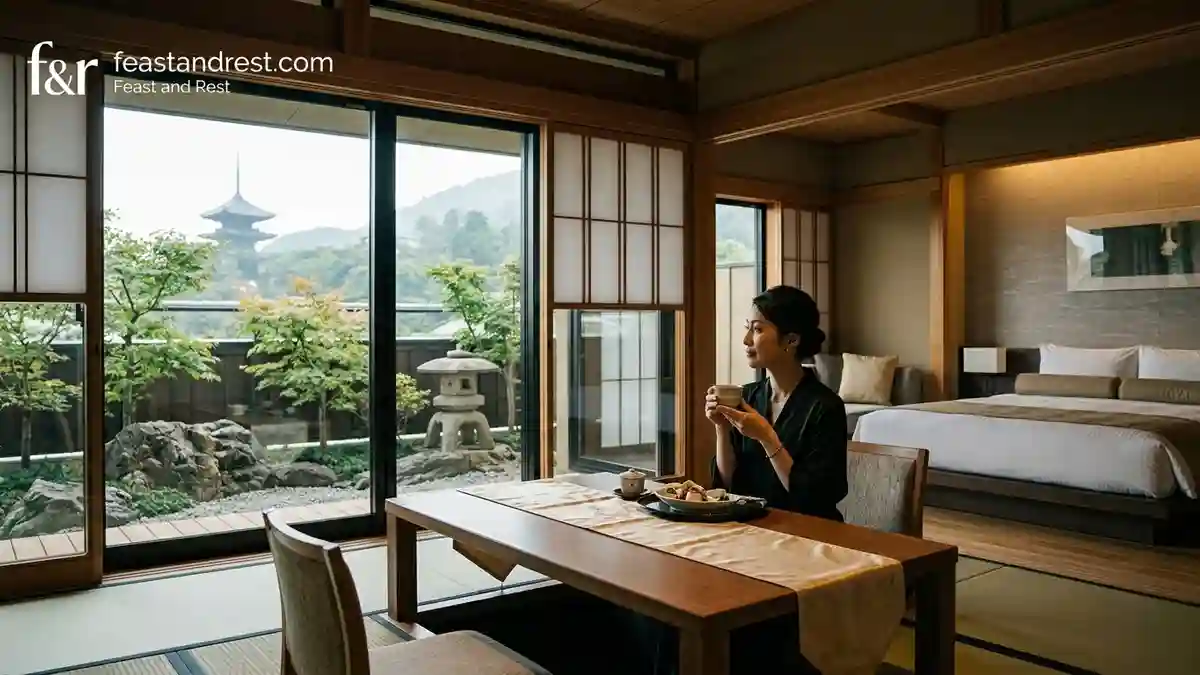
A prime example of this trend within the Kyoto hotel market is The Hotel Seiryu Kyoto Kiyomizu. Housed in the restored 1933 former Kiyomizu Elementary School building near Kiyomizu-dera Temple, the property illustrates how historic preservation can align with commercial hospitality goals. The conversion retains original Showa-era architectural details while offering modern guest amenities, private baths, and high-end dining, reflecting the broader trajectory of Japan luxury travel trends 2026.
┌────────────────────────────────────────────────────────────────────────┐
│               HERITAGE VS. HYBRID LUXURY ACCOMMODATION                 │
├───────────────────────────┬────────────────────────────────────────────┤
│ Property Type             │ Structural & Operational Characteristics   │
├───────────────────────────┼────────────────────────────────────────────┤
│ Traditional Ryokan        │ Historic wood build, tatami, kaiseki meals │
│ Adaptive-Reuse Heritage   │ Preserved historic shell, modern interiors │
│ International Luxury Tier │ Purpose-built modern, standardized luxury  │
└───────────────────────────┴────────────────────────────────────────────┘
Why This Matters: Heritage Access and Economic Sustainability
The focus on heritage preservation within Japan luxury travel trends 2026 addresses several operational and cultural challenges in key destinations:
Preservation of Urban Fabric: Converting historical structures like old schools or machiya prevents urban degradation while preserving neighborhood aesthetics.
Dispersion of Visitor Traffic: High-value travelers staying in boutique heritage properties often engage with local artisans, quiet temples, and traditional shops, supporting small-scale economic activity.
Long-Term Revenue Stability: Premium room rates allow operators to maintain lower density, mitigating crowd pressure while maximizing yield per guest.
“The shift toward experiential luxury represents a fundamental maturation of Japan’s tourism economy, where cultural integrity and high-end hospitality reinforce each other.” — Japan Tourism Market Insights Report
What the Data Shows: Planning Metrics for High-End Stays
Analyzing market conditions helps contextualize how Japan luxury travel trends 2026 influence trip planning, room rates, and seasonal travel behaviors across Kyoto.
| Metrics & Considerations | Standard Peak Season (Spring/Autumn) | Shoulder Season (Winter/Late Summer) |
| Average Daily Rate Range | ¥120,000 – ¥350,000+ ($800 – $2,300+ USD) | ¥80,000 – ¥200,000 ($530 – $1,330 USD) |
| Booking Lead Time | 4 to 9 months in advance | 2 to 4 months in advance |
| Occupancy Levels | Exceeding 85% across luxury tier | Ranging between 60% – 70% |
| Municipal Accommodation Tax | Up to ¥10,000 per person/night for high rates | Tiered based on room rate threshold |
| Key Cultural Focus | Cherry blossoms, autumn foliage, festivals | Zen gardens, private onsen, quiet cultural access |
Ryokan Investment Potential and Economic Realities
The ryokan investment potential across regional and urban centers remains substantial, supported by institutional capital seeking assets with strong narrative value. However, developers face structural realities within Japan hospitality economics:
Construction and Restoration Costs: Restoring aged timber structures or retrofitting historical concrete buildings requires specialized craftsmen and compliance with strict seismic safety standards.
Labor Constraints: Operating high-touch service models (omotenashi) demands skilled staff proficient in both traditional customs and international guest services.
Regulatory Frameworks: Hotel business laws, historic preservation zoning, and municipal building codes require detailed approval processes, particularly in historic districts like Higashiyama in Kyoto.
Despite these entry barriers, investor appetite for authentic properties remains strong, as high end travel trends indicate sustained willingness among global travelers to pay premium rates for unique architectural and cultural settings.
Community Impact and Sustainable Tourism Management
As high end travel trends shape the Kyoto hotel market, sustainable tourism practices are essential to balance economic growth with local livability. Municipal authorities and private hospitality operators in Kyoto are implementing strategies to manage visitor flows and preserve cultural infrastructure.
The implementation of progressive accommodation taxes ensures that high-spending visitors contribute directly to local infrastructure maintenance, public transport enhancements, and heritage preservation initiatives. Furthermore, boutique properties like Hotel Seiryu Kyoto Kiyomizu emphasize early-morning access to nearby landmarks like Kiyomizu-dera Temple, encouraging guests to visit off-peak hours and reduce crowding along major pedestrian arteries.
┌────────────────────────────────────────────────────────────────────────┐
│                   SUSTAINABLE TOURISM STRATEGIES                       │
├───────────────────────────┬────────────────────────────────────────────┤
│ Initiative                │ Operational Focus                          │
├───────────────────────────┼────────────────────────────────────────────┤
│ Targeted Municipal Taxing │ Directly funds city preservation projects  │
│ Off-Peak Cultural Access  │ Reduces daytime congestion at key sites    │
│ Low-Density Room Counts   │ Maximizes revenue while minimizing crowds  │
└───────────────────────────┴────────────────────────────────────────────┘
By prioritizing quality of experience over sheer volume, Japan luxury travel trends 2026 provide a sustainable blueprint for cultural destinations worldwide.
Stay inspired with Feast and Rest!
—
Source and Data Limitations
This analysis utilizes published data from the Japan National Tourism Organization (JNTO), the Japan Tourism Agency (JTA), municipal travel reports from Kyoto City, and industry hospitality evaluations. Financial projections and market valuations reflect data available through early 2026. Rate structures, municipal tax policy thresholds, and individual property details (such as room counts and dining amenities for Hotel Seiryu Kyoto Kiyomizu) are subject to seasonal adjustments and regulatory updates. Specific proprietary operational yields for private ryokans remain unverified and are omitted from comparative tables.