Emirati Fine Dining in Dubai: Heritage Flavors Reimagined
For years, the luxury culinary landscape in the United Arab Emirates was defined almost entirely by international imports—celebrity chef outposts from London, Paris, and Tokyo perched inside five-star hotels. Today, Emirati fine dining Dubai is charting a distinct, inward-looking path that places local heritage at the center of the tasting menu. Following the arrival and continued evolution of the Michelin Guide Dubai through 2026, a new generation of chefs is translating domestic hospitality and Gulf pantry staples into refined, contemporary formats.
Rather than serving heavy, celebratory platters designed for large family gatherings, these kitchens focus on precision, plating, and ingredient provenance. Venues like Moonrise, helmed by Syrian-Emirati chef Solemann Haddad, and cultural-culinary spaces such as Siraj and Aseelah have demonstrated that regional flavors hold tremendous potential for modern gastronomy. For travelers and local diners alike, this shift represents a rare opportunity to taste the actual terroir of the Arabian Peninsula through a high-craft lens.
The Neighborhood Context: From Historic Creeks to Modern Rooftops
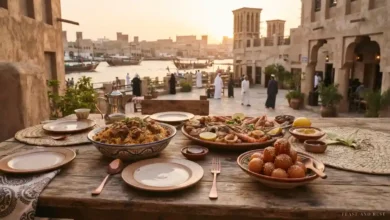
Understanding the rise of upscale local cuisine requires looking at how Dubai’s geography shapes its dining districts. Traditional Emirati cooking evolved along the Dubai Creek, where historic neighborhoods like Al Fahidi and Deira served as maritime trading hubs for spices, dried fruits, and fresh catch from the Arabian Gulf. While casual, heritage-focused eateries still thrive near the water, the contemporary fine dining iteration has largely migrated toward urban centers like Downtown Dubai, Jumeirah, and Sheikh Zayed Road.
This geographic split reflects a broader culinary philosophy. Restaurants situated near the Burj Khalifa or along the Jumeirah coastline are surrounded by global competitors, yet they deliberately anchor their identities in the older merchant traditions of the city. Dining at an intimate rooftop counter on Sheikh Zayed Road, for example, offers a striking contrast: the skyline represents rapid 21st-century expansion, while the kitchen relies on preservation techniques—fermenting, drying, and slow-braising—developed centuries ago to survive the desert climate.
Compared to the sprawling, high-volume luxury dining rooms common in the Dubai International Financial Centre (DIFC), venues specializing in modern Gulf cuisine tend to be smaller and more personal. Many favor open kitchens or chef’s counters, encouraging direct dialogue between the culinary team and guests who may be unfamiliar with indigenous ingredients.
Chefs, Heritage, and Culinary Philosophy
The driving force behind this movement is a cohort of chefs who grew up eating home-cooked Emirati and Khaleeji meals while training in classical French, Japanese, or Nordic techniques. According to current details surrounding the city’s culinary scene, the goal is rarely strict historical recreation. Instead, chefs treat traditional recipes as a flavor foundation to be deconstructed and refined.
Chef Solemann Haddad’s approach at Moonrise exemplifies this mindset. Drawing on his dual heritage and memories of childhood snacks in Dubai, his tasting menus incorporate French technical discipline and Japanese precision without losing their regional soul. Elsewhere in the city, chefs working within spaces like Arabian Tea House or upscale hotel concepts such as Aseelah at Radisson Blu Deira Creek focus on elevating classic comfort dishes through superior sourcing and lighter emulsions.
Key philosophical pillars defining this movement include:
Ingredient Transparency: Highlighting local farms in Al Ain and Ras Al Khaimah alongside sustainable Gulf fisheries rather than relying exclusively on European air-freighted produce.
Balancing Richness: Traditional Emirati food relies heavily on clarified butter (smen), slow-cooked meats, and sweet spices. Fine dining kitchens lighten these profiles using acidity, fermented elements, and precise portioning.
Storytelling Through Courses: Menus are frequently structured around personal memories, maritime history, or seasonal desert harvests, giving context to unfamiliar flavors.
Key Menu Highlights and Regional Pantry Staples
Because top-tier kitchens in Dubai adjust their offerings around seasonal availability and local harvests, menus change periodically throughout the year. However, certain foundational ingredients and reimagined classics consistently anchor the Emirati fine dining Dubai experience.
| Traditional Element | Culinary Role & Flavor Profile | Modern Fine Dining Adaptation |
| Loomi (Black Lime) | Sun-dried limes offering intense, smoky acidity and earthy bitterness. | Ground into finishing dusts, infused into clear broths, or whipped into bright emulsions for raw seafood. |
| Bezhar Spice Blend | A warm, aromatic mix of cumin, coriander, cinnamon, cloves, and turmeric. | Used selectively as a dry rub for aged meats or infused into clarified butter glazes. |
| Date Molasses (Dibs) | Deep, caramel-like sweetness with subtle tannic notes from local date varieties. | Balanced with aged vinegars to glaze grilled vegetables, foie gras, or slow-cooked lamb. |
| Gulf Seafood | Local catches such as hammour, kingfish, and wild prawns. | Prepared with minimal heat—cured, lightly torched, or poached in spiced shellfish stocks. |
| Khameer & Regag | Traditional yeasted flatbreads and ultra-thin, crispy crepes. | Served warm as bespoke bread courses alongside cultured camel milk butter or date infusions. |
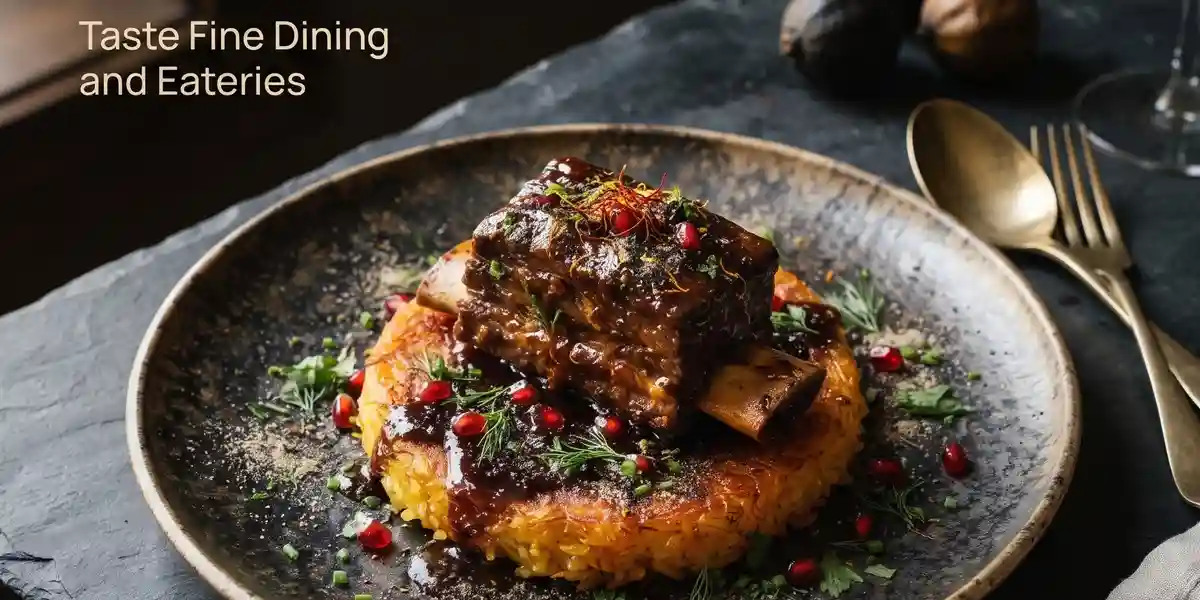
Among the most recognizable dishes reinterpreted in upscale settings is machboos, the fragrant spiced rice dish typically topped with slow-cooked meat or fish. In a tasting menu format, this might appear as a single, crisp-edged rice cake topped with saffron-braised short rib and a concentrated loomi reduction. Similarly, harees—a comforting porridge of cracked wheat and meat—is often refined into a velvety, aerated puree finished with brown butter and crispy shallots.
Desserts also move away from overly sugary syrups. Chefs frequently utilize saffron, cardamom, rosewater, and camel milk to craft delicate ice creams, custards, or modernized versions of luqaimat (sweet dumplings) paired with bitter Arabic coffee reductions.
Atmosphere, Pacing, and the Service Experience
Hospitality holds deep cultural significance in the United Arab Emirates, where welcoming guests with generosity is a social cornerstone. In a high-end restaurant setting, this tradition translates into service that feels notably warmer and less stiff than traditional European fine dining. Staff members typically act as cultural guides, explaining the origin of specific spices or the history behind a dish’s name without sounding rehearsed.
The physical environments vary depending on the venue’s positioning. Some spaces, such as Siraj in Souk Al Bahar, lean into understated elegance with Arabic calligraphy, warm sandstone tones, and views of the Dubai Fountain. Others, like Moonrise, strip away traditional decorative motifs entirely in favor of minimalist wood counters, moody lighting, and close proximity to the plating station.
Pacing tends to be unhurried. Tasting menus generally span eight to twelve courses over two to two-and-a-half hours, allowing time for conversation and digestion. Unlike bustling nightlife-oriented restaurants in Dubai—where loud DJ sets often accompany dinner—establishments focused on Emirati gastronomy prioritize acoustic comfort and a contemplative dining rhythm.
Beverages and Non-Alcoholic Pairings
Navigating beverage menus in Dubai requires understanding local licensing regulations. Restaurants located inside hotels or licensed precincts like DIFC and Souk Al Bahar offer full wine lists and craft cocktails, whereas independent venues in residential neighborhoods such as Jumeirah remain strictly dry.
Interestingly, the absence of alcohol in several top regional kitchens has sparked remarkable creativity in non-alcoholic pairings. Based on available information from the city’s leading dining rooms, zero-proof beverage programs here often rival traditional wine pairings in complexity. Sommeliers and beverage directors build pairings around:
Cold-Brewed Teas and Tisanes: Infusions of hibiscus, dried mint, saffron, and smoked black teas served in stemmed glassware.
Fermented Fruit Shrubs: Tart, complex drinks made from pomegranates, dates, and citrus designed to cut through rich spice blends.
Spiced Botanicals: House-made distillates featuring cardamom, frankincense resin, and green mango.
For diners visiting licensed establishments, sommeliers generally steer guests toward wines that complement warm spices without clashing with sweetness. Aromatic whites like Gewürztraminer, dry Riesling, and Viognier handle saffron and cardamom gracefully, while medium-bodied reds such as Grenache or Syrah pair naturally with slow-cooked lamb and date glazes. Meals almost universally conclude with gahwa—lightly roasted Arabic coffee brewed with cardamom—poured from a traditional dallah pot alongside fresh dates.
Practical Information & Planning Your Visit
Securing a table and preparing for an upscale regional meal in Dubai involves a few practical considerations, particularly during peak travel months between November and March.
Ideal Audience: Best suited for curious travelers, culinary enthusiasts, couples, and intimate business dinners seeking an authentic sense of place rather than a standard international luxury menu.
Value Positioning: Tasting menus and upscale multi-course meals typically sit in the upper tier of Dubai dining, comparable to Michelin-starred venues in London or New York, though lunch menus at certain heritage-inspired spots offer a more accessible entry point.
Reservations: Book at least two to four weeks in advance for intimate chef’s counters with limited seating (such as 12-seat venues). Larger dining rooms usually accommodate bookings a few days ahead, except during major events like Gulfood or the winter holiday season.
Timing & Seasonality: Winter and early spring offer the most pleasant weather for venues with outdoor terraces. During Ramadan, dining hours shift toward sunset (Iftar) and late evening (Suhoor), with many restaurants offering special celebratory menus.
Dress Code: Smart casual to formal attire is standard. Men generally wear collared shirts and trousers, while women opt for dresses or tailored separates. Out of respect for local culture, overly beach-casual clothing (flip-flops, athletic shorts, or swimwear) is not permitted in fine dining rooms.
Stepping into an Emirati fine dining room offers a quieter, more thoughtful side of Dubai than its towering malls and beach clubs suggest. By grounding modern culinary techniques in local spices, Gulf seafood, and traditional hospitality, these restaurants turn dinner into a genuine cultural exchange—one that lingers well after the final cup of cardamom coffee is poured.