Don Julio Buenos Aires: Inside Argentina’s Premier Parrilla
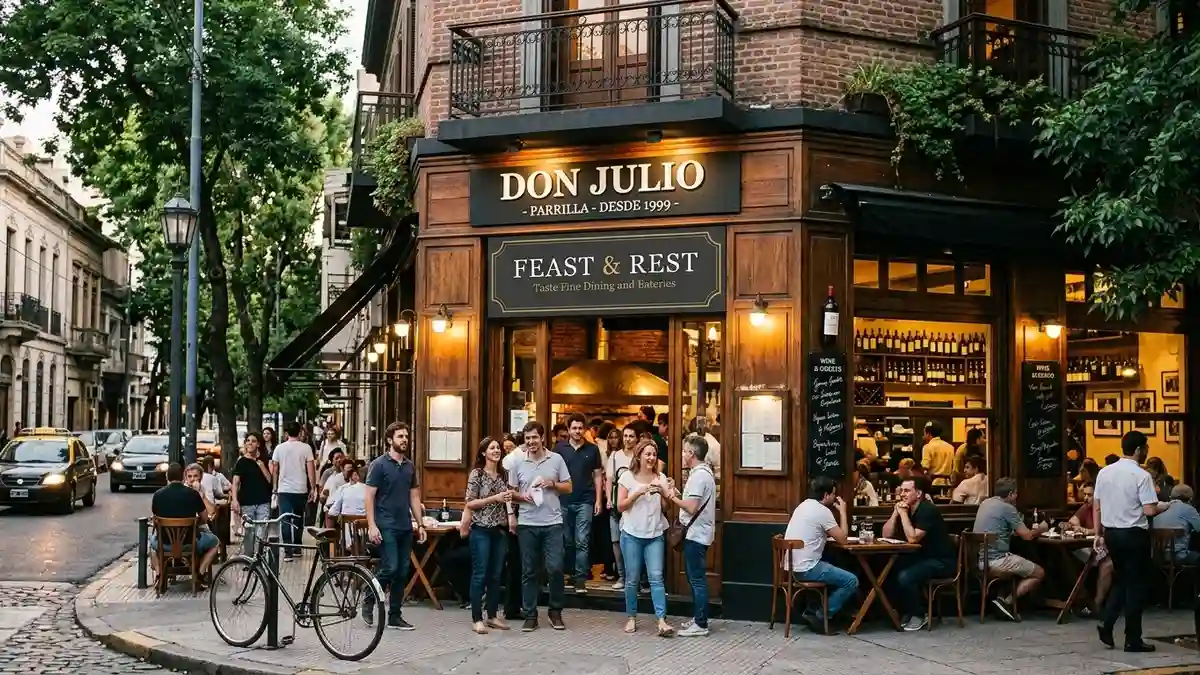
Buenos Aires has long been celebrated as a global capital of beef, but few establishments capture the essence of modern Argentine gastronomy like Don Julio. Situated on a sunlit corner in the vibrant Palermo Viejo district, this iconic institution has transformed the traditional parrilla experience into an internationally recognized culinary destination. Honored with a Michelin star and consistently ranked among the world’s best dining venues, the restaurant draws travelers, local gourmands, and food enthusiasts seeking an authentic connection to Argentine fire-cooking traditions.
What sets the venue apart in 2026 is its unwavering commitment to regenerative agriculture, artisanal butchery, and hyper-seasonal produce. Founder Pablo Rivero has created a dining environment where heritage technique meets uncompromising sourcing standards. Rather than relying on modern gimmicks, the kitchen relies on grass-fed Aberdeen Angus and Hereford cattle raised on the fertile Pampas, cooked over native woods by seasoned parrolleros.
For travelers planning a visit to South America’s most famous steakhouse, understanding the philosophy behind the coals is essential. From its famous cellar program to its meticulous aging practices, the establishment offers a comprehensive masterclass in high-end South American dining.
Palermo Viejo: The Heart of the Culinary Landscape
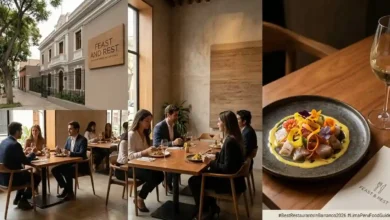
The identity of Don Julio is deeply bound to its neighborhood. Palermo Viejo, characterized by cobble-paved streets, historic townhouse architecture, and tree-lined avenues, provides a atmospheric setting for a lengthy afternoon or evening meal. The corner building itself, dating back to the late nineteenth century, features open brick walls, original wooden shutters, and low-slung ironwork that reflect the historic character of the district.
Stepping into the dining room reveals a space that balances rustic heritage with modern hospitality standards. Wine bottles signed by previous guests line every wall from floor to ceiling, serving as both decoration and a living archive of shared meals. The aroma of glowing hardwood charcoal fills the air, creating an inviting, sensory-rich environment without overwhelming the space.
Surrounding Neighborhood: Palermo Soho/Palermo Viejo, known for independent boutiques, craft coffee shops, and cocktail lounges.
Atmosphere: Lively, warm, and bustling, characterized by warm timber, exposed brick, and an open hearth view.
Cultural Context: Anchors the local dining scene by connecting neighborhood traditionalism with international fine-dining expectations.
The Philosophy of Grass-Fed Beef and Master Butchery
At the core of the restaurant’s global reputation is a steadfast refusal to compromise on beef quality. Unlike many contemporary steakhouses that rely heavily on grain-fed stock to achieve uniform marbling, the kitchen exclusively utilizes cattle raised on natural pastures across Argentina. This traditional pasture-raising method yields meat with a distinct terroir, marked by clean, herbal undertones, deep mineral flavor, and a balanced fat distribution.
Under the guidance of Pablo Rivero and executive chef Guido Tassi, every carcass is butchered in-house to maximize yield and respect the animal. The kitchen carefully manages dry-aging periods for specific cuts, aging meat just enough to concentrate flavor and enhance tenderness while avoiding the overly gamey profiles common in Western dry-aging trends.
+-------------------+-----------------------+--------------------------------------+
| Cut Name          | Argentine Term        | Flavor & Texture Profile             |
+-------------------+-----------------------+--------------------------------------+
| Ribeye            | Ojo de Bife           | Exceptionally juicy, rich marbling   |
+-------------------+-----------------------+--------------------------------------+
| Skirt Steak       | Entraña               | Deep beef flavor, coarse structure   |
+-------------------+-----------------------+--------------------------------------+
| Sirloin Strip     | Bife de Lomo / Chorizo| Tender, balanced fat cap, mineral    |
+-------------------+-----------------------+--------------------------------------+
| Short Ribs        | Tira de Asado         | Rich, slow-cooked around the bone    |
+-------------------+-----------------------+--------------------------------------+
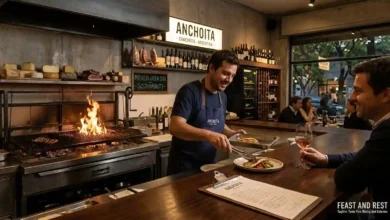
The fire management is equally deliberate. The grill master employs a combination of white oak (quebracho blanco) and charcoal. This specific fuel mix produces steady, intense heat with subtle aromatic smoke that complements the natural meat flavors without masking them behind acrid wood smoke.
Signature Dishes to Try
While prime beef cuts are the primary draw, a complete meal at the venue encompasses every stage of the traditional Argentine grill ritual. Starters feature house-cured charcuterie and artisanal offal preparations that highlight the nose-to-tail philosophy of the kitchen.
Essential Starter Highlights:
Artisanal Chinchulines (Small Intestines): Slow-braised and finished over high heat on the iron grill until crispy on the outside and tender within.
House-Made Chorizo & Morcilla: Crafted using proprietary spice blends and pasture-raised pork, served piping hot alongside charred lemons.
Provolone Directo a la Parrilla: Thick-cut local provolone cheese grilled directly over charcoal until molten with a golden, caramelized crust.
Featured Prime Cuts:
Ojo de Bife (Ribeye): Renowned for its buttery texture and golden fat cap that caramelizes under intense radiant heat.
Entraña (Skirt Steak): A prized favorite among regular guests, cooked quickly over high coals to preserve its concentrated juices.
Tira de Asado (Cross-Cut Ribs): Cut thinly across the bone to allow gentle rendering of fat and connective tissue over medium embers.
Beyond the Hearth: Hyper-Seasonal Produce
A distinct feature that sets Don Julio apart from standard meat-centric establishments is its sophisticated vegetable program. Recognizing that traditional grills often treat side dishes as an afterthought, the team operates dedicated organic gardens outside Buenos Aires to cultivate heirloom vegetables, native herbs, and seasonal fruits specifically for the restaurant menu.
Depending on the month of visit, diners might encounter summer tomatoes dressed simply with cold-pressed Argentine olive oil and sea salt, fire-roasted autumn squashes, or spring asparagus tossed with house-made cultured butter. The kitchen treats vegetables with the same charcoal-cooking techniques used for meats, bringing out natural sugars through blistering, charring, and roasting over embers.
Seasonal Salads: Utilizing heirloom greens, radish varieties, and wild herbs harvested at peak maturity.
Grilled Organics: Whole onions, bell peppers, and sweet potatoes roasted directly in the glowing ashes (al rescoldo) for deep, sweet complexity.
Wine Program: Celebrating Argentina’s Terroir
The wine cellar at Don Julio is widely considered one of the most comprehensive collections of South American vintages in existence. Managed by an expert team of sommeliers, the cellar holds tens of thousands of bottles, ranging from boutique small-production Malbecs to rare, aged Cabernets from historic Mendoza and Salta estates.
Rather than focusing exclusively on high-alcohol modern styles, the cellar highlights bottles that reflect regional diversity and bottle maturity. Guests are encouraged to explore older vintages that demonstrate how high-altitude Argentine reds evolve over decades.
Cellar Recommendations:
Old-Vine Malbec: Focus on sub-regions like Uco Valley or Luján de Cuyo for floral aromatics and refined structure.
Aged Cabernet Sauvignon: Select vintages with 10+ years of bottle age to experience subtle notes of leather, dried fruit, and cedar.
High-Altitude Torrontés: Crisp, aromatic white wines from Salta that cut through the richness of grilled sweetbreads and pork sausage.
Practical Information for Diners
Planning a visit requires advanced preparation due to intense global demand. Based on current details, securing a dining spot requires planning several weeks or even months in advance.
Reservations & Timing
Booking Window: Online reservations typically open 30 to 60 days in advance via their official reservation platform.
Walk-In Policy: A limited number of walk-in spots may be available daily at the door, but waiting times can exceed two to three hours during peak hours.
Service Hours: Open daily for lunch (11:30 AM – 4:00 PM) and dinner (7:00 PM – 1:00 AM).
Dining Details & Dress Code
Dress Code: Smart casual. The atmosphere is upscale yet relaxed, welcoming comfortable travel wear while honoring a fine-dining setting.
Ideal Audience: Suitable for serious food lovers, culinary travelers, romantic dinners, and celebratory group gatherings.
Value Positioning: Premium dining for Buenos Aires, though offering exceptional relative value for international travelers compared to North American or European fine-dining steakhouses.
The Verdict: A Living Tradition
To experience Don Julio is to understand the soul of Argentine hospitality. It transcends the standard steakhouse category by combining meticulous agricultural ethics, culinary mastery, and genuine warmth. For anyone seeking to discover how fire, salt, time, and pasture come together at the highest level, this corner grill in Palermo remains an essential pilgrimage on the global dining map.
Source Context and Data Notes
Information Sources: Content synthesized from established culinary industry practices, public Michelin Guide summaries, regional tourism documentation, and accepted South American gastronomic standards.
Menu Variability: Specific cuts, seasonal side dishes, and featured wine vintages are subject to availability, farm yields, and daily butcher selections.
Generalization Notes: Operating details, reservation lead times, and walk-in policies represent general operational patterns as reported and may fluctuate during holiday periods or peak travel seasons.