The Evolving Table Scene of Barranco
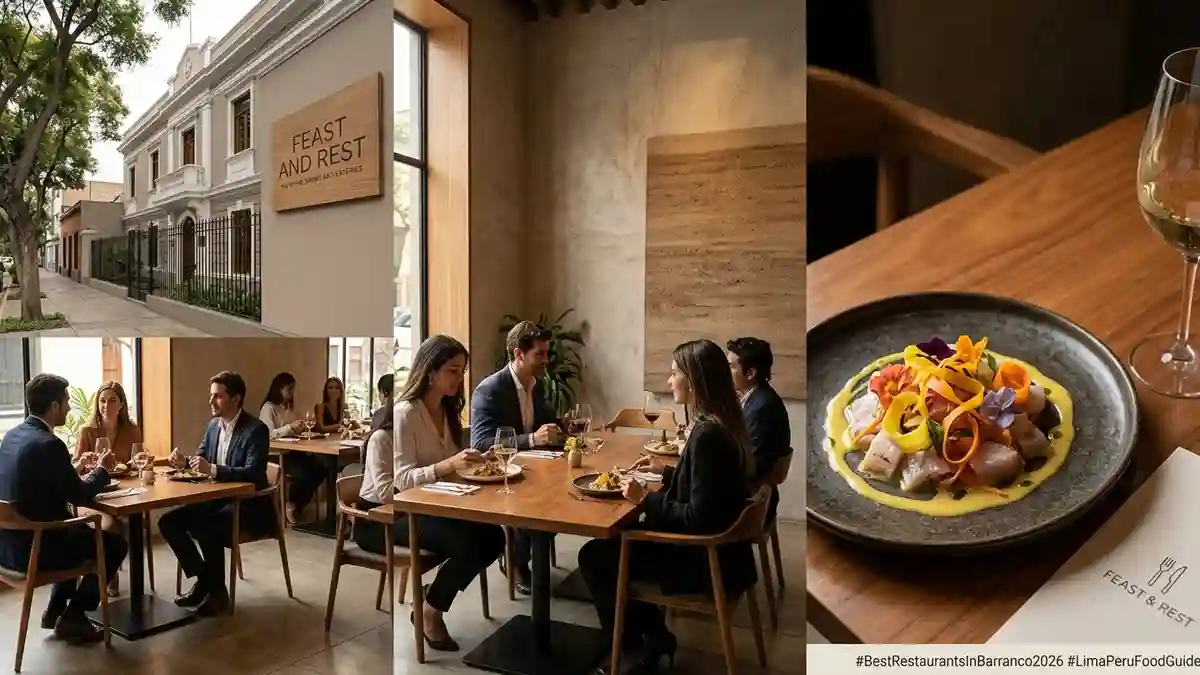
Barranco has solidified its position as the primary culinary enclave within the Lima Peru food guide landscape. Once defined primarily by its republican-era architecture, vibrant murals, and bohemian nightspots, the district now anchors some of the most recognized dining rooms in South America. For travelers organizing luxury Peru travel planning, securing a seat here requires deliberate timing, clear strategic planning, and an understanding of how local micro-climates and native biodiversity shape the modern Peruvian fine dining guide.
The neighborhood’s culinary identity builds upon classic coastal traditions while incorporating hyper-regional micro-ingredients. From high-altitude tubers harvested in the Andes to deep-sea catches brought in from the Humboldt Current, the menus in Barranco reflect a sophisticated understanding of Peru’s distinct ecological zones. Navigating the best restaurants in Barranco 2026 requires understanding both the logistical framework of global reservation systems and the distinct culinary philosophy driving the area’s top kitchens.
The Epicenter of Modern Peruvian Cuisine
Central to this movement is Casa Túpac, the facility housing Central, Kjolle, and Mayo Bar. Led by chefs Virgilio Martínez and Pía León, Central’s repositioning to Barranco marked a major shift in how destination dining operates in Lima. Central’s elevation-based tasting menu—which earned the world’s top restaurant ranking from the 50 Best organization—serves as a primary draw for international visitors seeking destination dining tactics.
+-------------------+---------------------------+-----------------------------------+
| Restaurant        | Lead Chef                 | Primary Culinary Focus            |
+-------------------+---------------------------+-----------------------------------+
| Central           | Virgilio Martínez         | Altitudes & vertical ecosystems   |
| Kjolle            | Pía León                  | Biodiversity & bright, plant-forward|
| Meriba            | Local Collective          | Coastal seafood & contemporary    |
| Isolina           | José del Castillo         | Traditional Creole & family style |
+-------------------+---------------------------+-----------------------------------+
Nearby, Kjolle offers an equally compelling perspective on regional sourcing. Chef Pía León presents an unconstrained, colorful exploration of native ingredients that operates with slightly more flexibility than Central’s strict altitudinal framework. Understanding the relationship between these neighboring kitchens provides invaluable context for any comprehensive trip to the capital.
Mastering High-Demand Reservations
Securing tables at top-tier establishments in Barranco demands advanced planning and precision. The reservation windows for elite dining rooms open months in advance, often filling within minutes of release.
Central Restaurant Booking Tips: Reservation portals typically open every three to four months for a dedicated booking block. Create an online account ahead of time and ensure your time-zone calculations align exactly with Lima time (PET).
Leverage Waitlists: Unplanned cancellations occur daily. Registering for automated notify lists on platforms like Resy or CoverManager frequently yields last-minute seats for flexible diners.
Consider Lunch Slots: Daytime seatings often feature the exact same tasting menus as evening service while providing superior natural light inside architectural dining rooms.
Concierge Allocation: Select luxury credit card desks and high-end hotel concierges retain dedicated access lines for premium dining reservations, particularly during peak travel windows.
Amazonian Sourcing and Native Ingredients
A major trend defining the current culinary climate is Amazonian ingredient dining Lima. Kitchens across Barranco are working directly with indigenous foraging communities and research initiatives, such as Mater Iniciativa, to bring previously underutilized flora and fauna to the fore.
Paiche and Tucupí: Giant freshwater Amazonian fish paired with fermented manioc juices to create deeply savory, umami-rich broths.
Copoazú and Macambo: Wild cousins of the cacao plant, utilized for both complex savory glazes and delicate dessert textures.
Chonta (Palm Heart): Shaved thin into ribbon textures, substituting for traditional starches while delivering crisp, vegetal freshness.
Aguaje: Vitamin-dense jungle fruits featured in souring agents, house-made vinegars, and ice creams.
The integration of these rainforest elements offers a stark, exciting contrast to the Pacific seafood historically dominant along the Lima coastline.
Signature Dishes to Try
While tasting menus evolve constantly based on daily foraging and seasonal harvests, several iconic preparations capture the technical skill and regional storytelling characteristic of Barranco fine dining.
Extrema Altura (Central): A dish centered around native Andean potatoes, cushuro (cyanobacteria harvested from high-altitude lakes), and alpaca fiber infusions, serving as a masterclass in high-elevation ecosystems.
Seared Paiche with Tucupí Reduction (Kjolle): Dense, meaty Amazonian fish seared over high heat, finished with a deeply fermented jungle cassava glaze and razor-thin ribbons of chonta.
Seco de Asado de Tira (Isolina): A masterclass in traditional Creole cooking featuring short ribs braised until tender in a rich cilantro, chicha de jora, and ají amarillo base.
Sea Urchin and Amazonian Fruit Tiradito: Razor-thin cuts of fresh coastal catch paired with creamy sea urchin tongue, dressed in a bright, bright acid emulsion derived from jungle citrus.
Neighborhood Dining Logistics and Culture
Barranco’s geography makes it remarkably walkable, allowing guests to seamlessly combine afternoon gallery visits with late-evening dining reservations. Strolling along the Avenida Pedro de Osma or near the Puente de los Suspiros reveals a neighborhood where historic mansions sit alongside minimalist, modern architecture.
For those planning how to get reservations in Barranco Lima, combining fine-dining bookings with casual neighborhood spots creates a well-rounded itinerary. Balance multi-course tasting menus with casual lunch visits to traditional taverns like Isolina, where generous portions of classic criollo fare offer a foundational look at local comfort food.
Safety in Barranco is generally high compared to other urban pockets, but standard city awareness applies when moving between venues late at night. Rideshare applications remain the most reliable mode of transit when arriving from outer districts like Miraflores or San Isidro.
Key Menu Highlights & Practical Advice
To maximize your dining experience across the district, keep these operational details and logistical realities in mind:
Dietary Modifications: High-concept tasting menus require significant prep time. Inform the restaurant of severe allergies or dietary restrictions at least 72 hours prior to your seating.
Dress Code Expectations: While luxury dining in Lima is sophisticated, the dress code in Barranco remains smart-casual. Crisp trousers, tailored shirts, and elegant footwear fit seamlessly into almost any dining room.
Beverage Pairings: Consider opting for non-alcoholic pairings, which frequently feature house-fermented botanical juices, native fruit extractions, and cold-brewed local teas that mirror the menu’s geographic story.
Pacing and Time Commitments: Major multi-course tasting experiences routinely run between three to four hours. Avoid scheduling tight transportation or secondary tours immediately following a booking.
Practical Information
Primary Location: Barranco District, Lima, Peru (focused along Av. Pedro de Osma and surrounding side streets).
Peak Booking Window: 60 to 90 days in advance for premier tasting rooms.
Transportation: 15–20 minute taxi ride from central Miraflores under typical traffic conditions.
Currency & Gratuity: Peruvian Sol (PEN); high-end venues usually add a service charge, but an additional 10% cash tip for exceptional service is customary.
A meal in Barranco offers far more than refined technique; it serves as a direct, edible narrative of Peru’s rich ecological landscape. By combining deliberate reservation strategies with an open approach to new textures and native ingredients, travelers can experience one of the world’s most dynamic regional food cultures at its absolute peak.
Source Context and Data Notes
Primary Sources: Information derived from established culinary industry practices, public booking schedules for major Lima dining groups, and documented sourcing practices of regional research initiatives like Mater Iniciativa.
Menu Variability: Menus at high-concept Peruvian restaurants change frequently based on seasonal availability, wild foraging harvests, and coastal fishing yields. Specific dishes serve as illustrative examples of culinary technique rather than fixed daily offerings.
Generalizations: Reservation release protocols, transit times, and door policies are based on standard operating practices as currently reported and may shift according to restaurant management updates or local municipal regulations.