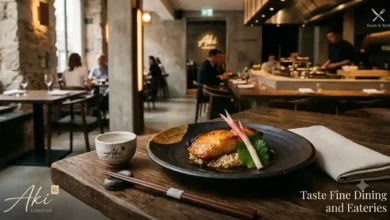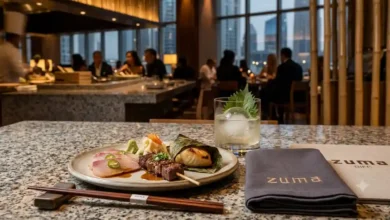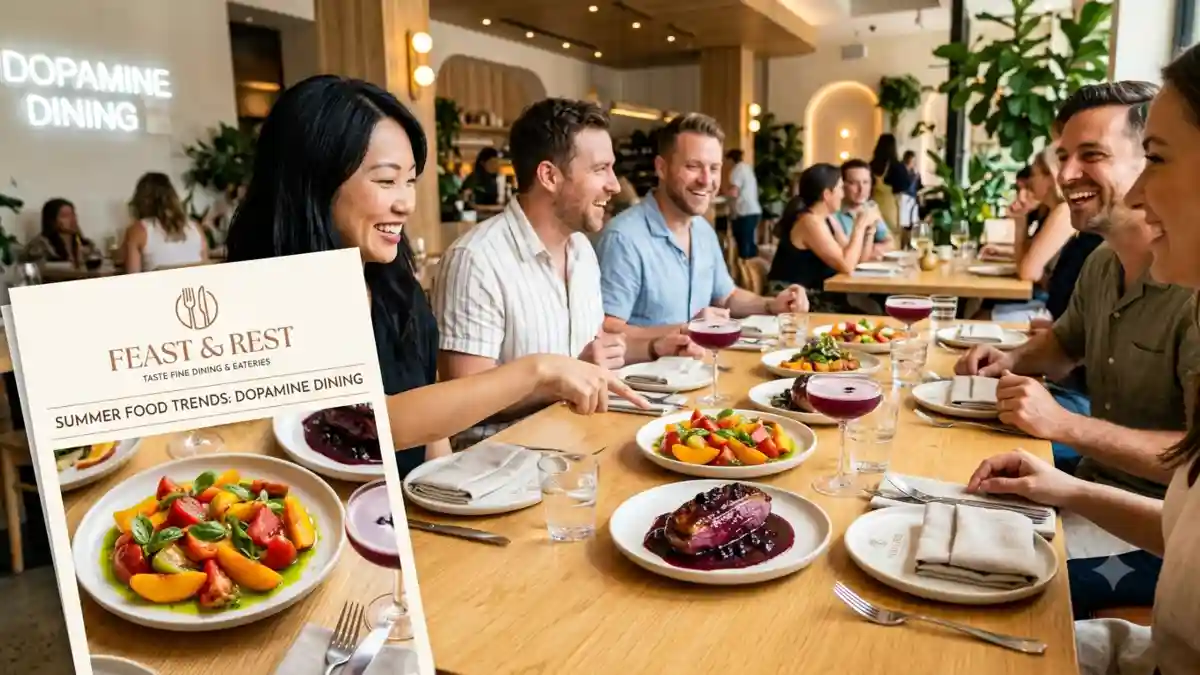
The global culinary landscape is experiencing a noticeable shift as summer food trends point toward a deeply emotional connection to what we eat. Diners are no longer just looking for sustenance or traditional luxury; they are seeking experiences that elevate their mood and evoke a sense of comfort. This shift has given rise to the dopamine dining concept, a movement where chefs intentionally design dishes and spaces to trigger joy, curiosity, and comfort. In major dining neighborhoods from New York’s Lower East Side to London’s Soho, restaurants are adapting their seasonal restaurant menu updates to reflect this philosophy, blending playful presentations with deeply familiar flavors.
A significant driver of this movement is the resurgence of the nostalgic comfort food trend, reimagined through a sophisticated lens. Chefs are looking at childhood favorites and regional staples, stripping away the artificial elements, and rebuilding them with high-quality, seasonal ingredients. By focusing on food aesthetics that utilize bright, natural colors alongside complex sweet and bitter flavor profiles, modern eateries are creating a dining experience that feels both innovative and reassuring. This approach bridges the gap between high-end culinary technique and the casual, sensory joy of a backyard summer gathering.
The Rise of Dopamine Dining
At its core, the dopamine dining concept is about engineering a sense of well-being through food, lighting, and presentation. It moves beyond the minimalist, monochromatic plating that dominated the fine dining scene for the past decade. Instead, restaurants are embracing vibrant hues, interactive elements, and textures that surprise the palate.
According to current details emerging from hospitality design and culinary forums, this trend is heavily influencing how new venues are conceptualized. Chefs are collaborating with local artisans to create custom tableware that complements the vivid colors of the food. The goal is to stimulate the visual senses before the first bite is even taken, making the meal feel like an event.
This approach is particularly effective during the warmer months, when diners naturally gravitate toward brighter, more energetic environments. In bustling urban food districts, establishments that lean into these uplifting visual and sensory cues are seeing a distinct wave of interest, positioning themselves as sensory sanctuaries within the busy city.
Balancing Sweet and Bitter Flavor Profiles
One of the most sophisticated ways chefs are executing these updates is through the careful calibration of sweet and bitter flavor profiles. While summer has traditionally been dominated by purely sweet or high-acid profiles—think berry tarts and citrus vinaigrettes—contemporary menus are introducing a calculated bitterness to add depth and maturity to dishes.
Charred and Roasted Elements: Utilizing grilled chicory, radicchio, or blackened citrus to balance sweet glazes.
Botanical Infusions: Incorporating wild herbs, dandelion greens, and concentrated tea reductions into savory sauces.
Calculated Contrasts: Pairing rich, sweet seafood like sea scallops with bitter greens or a sharp amaro reduction.
This contrast does more than just challenge the palate; it mirrors the complexity of traditional regional culinary identity, where bitter greens and digestive tonics have long been used to complement rich or sweet meals. By integrating these elements, chefs create a balanced progression throughout the tasting experience, ensuring that the meal remains refreshing rather than overwhelming during a hot summer evening.
Nostalgia on the Plate
The craving for familiarity has solidified the nostalgic comfort food trend as a cornerstone of current menu development. However, today’s interpretations are far from literal reproductions. Chefs are utilizing advanced techniques to pay homage to classic dishes while elevating the final product to fit a modern fine dining context.
For instance, a classic summer ice cream bar might be reimagined as a semifreddo featuring artisanal dairy and a house-made botanical shell. A simple heirloom tomato sandwich is transformed via house-baked brioche, cultured butter, and clear tomato water gelee. This allows diners to tap into fond memories while experiencing something entirely new and technically accomplished.
This duality provides an easy entry point for diners who might otherwise find avant-garde cuisine intimidating. It creates an immediate emotional anchor, making the meal memorable not just for its technical execution, but for the feelings of warmth and comfort it revives.
Key Menu Highlights
Heirloom Tomato and Stone Fruit Salad: A study in food aesthetics, featuring a mosaic of purple, yellow, and green tomatoes paired with ripe peaches, whipped fresh cheese, and a basil-infused oil.
Glazed Duck Breast with Black Currant: A savory dish utilizing black currant recipes to create a deep, tart glaze that cuts through the richness of the meat, served alongside blistered summer squash.
Elevated Soft Serve: A nod to childhood summers, made with single-origin vanilla bean, sprinkled with sea salt flakes, and drizzled with a bitter chocolate-amaro reduction.
Harnessing the Versatility of Black Currants
As restaurants roll out their seasonal restaurant menu updates, a specific ingredient has taken center stage across pastry and savory kitchens alike: the black currant. Long celebrated in European cuisines but often underutilized elsewhere, this deeply pigmented berry perfectly fits the demand for complex flavors and striking visual appeal.
The fruit’s natural astringency and deep purple juice make it an ideal candidate for both sweet and bitter flavor profiles. In savory applications, chefs are reducing black currants into rich agrodolce sauces to accompany game birds, pork, or charred root vegetables. The sharp tartness cuts through fat beautifully, providing a clean finish to complex dishes.
In the pastry department, black currant recipes are diversifying beyond the standard tart or jam. Pastry chefs are creating delicate mousses, vibrant sorbets, and dehydrated currant powders that add both a punch of acidity and a dramatic splash of color to the plate. This ingredient embodies the current movement—bold, visually arresting, and deeply flavorful.
+------------------------------------+---------------------------------------+
| Application                        | Flavor Integration                    |
+------------------------------------+---------------------------------------+
| Savory Reductions & Agrodolce      | Pairs with rich meats, balances fat   |
| Pastry Sorbets & Coulis            | Adds vibrant color and sharp acidity  |
| Matured Vinegar Infusions          | Enhances summer salads and marinades  |
+------------------------------------+---------------------------------------+
Crafting a Regional Culinary Identity
The most successful implementation of these summer food trends happens when a restaurant grounds them in its local environment. A regional culinary identity ensures that the use of trends like dopamine dining doesn’t feel like a passing gimmick. Instead, it feels like a natural evolution of local food culture.
In coastal regions, this might mean applying bright food aesthetics to locally caught seafood, using vibrant sea vegetables and bright citrus to mirror the energy of the coastline. In agricultural hubs, the focus turns to the fleeting abundance of local farms, capturing the peak of the harvest in ways that feel celebratory and abundant.
Diners increasingly want to understand the story of where their food comes from, but they want that story told with contemporary flair. By filtering local ingredients through modern trends, chefs respect their regional roots while keeping the dining experience forward-thinking and globally relevant.
Beverage Programs: Bitter and Bright
The philosophy driving the kitchen is naturally extending into the bar program. Summer drink menus are moving away from overly sugary cocktails in favor of refreshing, structured drinks that emphasize bitterness, effervescence, and deep fruit notes.
Amari, vermouths, and low-ABV botanical spirits are dominating summer drink lists. Infusions featuring black currant, blackberry, and sour cherry provide a rich color base without relying on heavy syrups. These drinks are designed to cleanse the palate between courses, mirroring the sweet and bitter balance found on the dinner menu. Non-alcoholic options are receiving the same level of care, utilizing cold-brewed teas, house-made shrubs, and botanical distillates to ensure every guest experiences a thoughtful pairing.
Practical Information for Seasonal Dining
Navigating the peak summer dining season requires a bit of planning, especially as restaurants adapting these popular trends see increased demand.
Reservations: Venues focusing on experiential concepts often book out weeks in advance. It is wise to check reservation platforms at the start of the season.
Menu Flexibility: Because these concepts rely heavily on peak-season produce, menus can change frequently based on market availability. Approach the meal with an open mind.
Timing: To fully appreciate the intentional lighting and food aesthetics inherent in dopamine dining, consider booking a table just before sunset to watch the transition of the space’s atmosphere.
Editorial Reflection
The evolution of our summer eating habits shows that dining remains a profoundly emotional act. By merging the joyful presentation of the dopamine dining concept with the grounding familiarity of the nostalgic comfort food trend, modern kitchens are offering more than just an escape from the heat. They are providing a space for connection, reflection, and pure sensory pleasure. As these thoughtful seasonal restaurant menu updates continue to populate our favorite neighborhoods, the summer dining season promises to be both deliciously complex and wonderfully comforting.
Source Context and Data Notes
Source Types: This article draws upon macro-level hospitality insights, observed culinary shifts in major metropolitan dining districts, and seasonal menu structures typical of contemporary, ingredient-driven restaurants.
Limitations: Specific ingredient availability and menu items naturally fluctuate based on local micro-climates, supply chains, and individual chef philosophies. The concepts discussed represent broad, creative movements within the industry rather than a fixed template for every establishment.
Generalizations: Descriptions of flavor balances, service styles, and presentation techniques are generalized to reflect overarching industry directions and should be understood as conceptual examples of modern dining trends.