Understanding the High-End Tokyo Dining Landscape
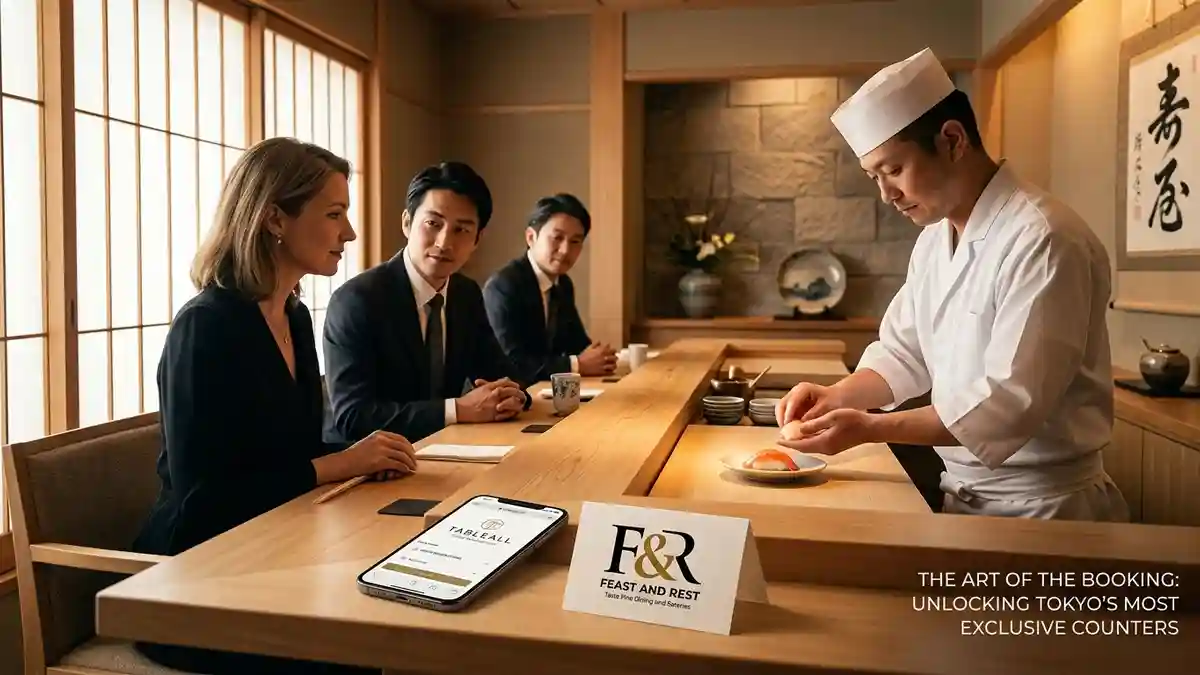
Securing a seat at Tokyo’s premier sushi and kaiseki counters is famously challenging. For decades, many of the city’s top-tier establishments operated strictly on an invitation-only basis or relied on long-standing relationships with regular patrons. The emergence of specialized booking services—most notably Tableall Tokyo reservations—has shifted this dynamic, providing international culinary travelers direct access to counters that were once completely off-limits to visitors.
Tokyo’s fine dining scene is anchored by an intense devotion to seasonality, technique, and intimacy. Most elite sushi bars (sushiya) seat fewer than ten guests per service. Because high-end chefs rely on precise fish purchases at Toyosu Market each morning based on exact guest counts, last-minute cancellations or empty seats represent significant financial losses. Concierge platforms help bridge the gap between reserved local traditions and global food enthusiasts seeking authentic culinary artistry.
The modern booking landscape in Japan reflects a broader trend toward transparency and accessibility in luxury gastronomy. While securing a reservation at a three-Michelin-starred establishment like Sukiyabashi Jiro or Sushi Saito used to require high-level hotel concierges or local introductions, modern digital solutions streamline seat allocation while upholding the integrity and intimacy of the traditional omakase experience.
The Role of Tableall in Unlocking Tokyo Counter Dining
Tableall functions as a curated bridge connecting foreign diners with elite Japanese chefs. Founded by insider industry professionals, the platform works directly with master chefs to buy dedicated seat allocations at coveted dining spots across Ginza, Roppongi, and Nishiazabu.
Unlike standard reservation tools that act purely as open booking software, Tableall purchases seat quotas directly from chefs. This structure offers master culinary artists a guaranteed income stream while ensuring foreign guests receive guaranteed bookings without language barrier friction.
+--------------------------+-------------------------------------------------------+
| Feature                  | Traditional Hotel Concierge vs. Tableall              |
+--------------------------+-------------------------------------------------------+
| Seat Access              | Subject to hotel tier and variable chef relationships |
| Booking Fee              | Often free, but requires high luxury hotel stay       |
| Direct Allocation        | Rare; dependent on daily phone calls                  |
| Language Assistance      | Handled by hotel staff prior to dining                |
+--------------------------+-------------------------------------------------------+
Beyond simple reservation management, booking platforms often act as cultural translators. Detailed briefing materials explain dining etiquette, timing expectations, and dietary policies specific to each counter. This ensures guests arrive fully prepared for the delicate flow of a traditional omakase meal.
Chef Philosophy and the Counter Experience
At the core of Tokyo fine dining is the itamae (sushi chef) and the concept of omakase—placing oneself entirely in the hands of the master. Dining at an exclusive counter is an immersive live performance where preparation techniques, knife work, and serving temperatures are meticulously calibrated for each diner.
Master chefs operating at this level view their counters as private spaces. The relationship between chef and guest is built on mutual respect. When dining through specialized platforms, guests enter a space where every element, from the hand-carved hinoki (cypress) wood counter to the custom-made pottery, reflects the artisan’s personal philosophy.
Obsessive Sourcing: Chefs select seafood daily based on seasonal peak condition, sea temperatures, and coastal origin.
Controlled Rice Temperatures: Shari (sushi rice) temperature is precisely adjusted for each variety of fish to optimize fat melting and flavor release.
Aged Seafood (Jukusei): Rather than serving every fish immediately fresh, chefs utilize aging techniques to intensify umami and refine textures.
What to Expect: Menu Formats and Seasonal Highlights
High-end counter meals in Tokyo are predominantly structured as extensive multi-course tasting menus. A standard dinner usually begins with several small seasonal appetizers (otsumami), followed by 10 to 15 piece sequences of hand-pressed nigiri, ending with soup, tamagoyaki (egg omelet), and simple seasonal fruit or tea.
While menus shift constantly based on market availability, high-end seasonal highlights consistently reflect the peak of Japanese marine life throughout the year.
+-------------------+------------------------------------+---------------------------------------+
| Season            | Key Marine Species                 | Typical Preparation Style             |
+-------------------+------------------------------------+---------------------------------------+
| Spring (Haru)     | Sayori (Halfbeak), Tai (Sea Bream) | Lightly salted, marinated with昆布    |
| Summer (Natsu)    | Shinko (Gizzard Shad), Uni (Sea)   | Precise scoring, gentle acidity       |
| Autumn (Aki)      | Sanma (Pacific Saury), Katsuo      | Lightly seared, grated ginger         |
| Winter (Fuyu)     | Otoro (Fatty Tuna), Ankimo         | Aged, warm rice temperature pairing   |
+-------------------+------------------------------------+---------------------------------------+
The progression of an omakase meal is carefully orchestrated. Chefs alternate between lean fish, rich oily specimens, and intensely sweet shellfish to keep the palate engaged without overwhelming flavor senses.
Location Insights: Ginza, Roppongi, and Nishiazabu Dining Scenes
Understanding Tokyo’s dining districts helps context-set the overall experience. The city’s highest concentration of exclusive sushi and kaiseki counters is concentrated in three main neighborhoods: Ginza, Roppongi, and Nishiazabu.
Ginza remains the undisputed epicenter of traditional Japanese fine dining. Tucked into quiet basement spaces or nondescript high-rise buildings along Chuo-dori and Harumi-dori, Ginza counters tend to emphasize formal technique, classical aesthetics, and understated luxury.
Roppongi and Nishiazabu offer a subtly different vibe. These neighborhoods host counters that lean slightly more modern, often catering to international guests, art enthusiasts, and younger fine dining lovers. The atmosphere in Nishiazabu in particular is characterized by residential quietude, hiding world-class dining spots behind unassuming residential facades.
Navigating these neighborhoods requires preparation. Many top-tier establishments lack English signage, making localized street maps and clear navigation directions essential for arriving on time.
Beverage Pairings and Sake Curation
Beverage service at high-end counter restaurants has evolved significantly in recent years. While cold Japanese green tea or classic dry lagers remain popular choices, high-end establishments now offer deeply curated sake lists and sophisticated wine pairings tailored specifically to seafood.
Sake selection at elite counters is guided directly by the chef or an in-house sommelier. Pairings emphasize region, polishing ratios, and temperature contrasts to complement specific fish preparations.
Junmai Daiginjo: Served chilled alongside delicate white fish (shiromi) to highlight subtle florals and crisp acidity.
Junmai Ginjo & Kimoto: Paired with rich, oily fish or aged tuna (maguro), as higher acidity balances fatty textures.
Warm Sake (Atsukan): Often presented alongside cooked items like grilled eel (unagi) or simmered octopus (mizudako).
Many modern Tokyo sushi bars also stock premier Burgundian Pinot Noir and Chardonnay, finding that minerality in white Burgundy harmonizes exceptionally well with seasoned sushi rice and shellfish.
Practical Advice for Securing and Enjoying Your Booking
Navigating high-end dining bookings in Tokyo requires strategic planning, respect for local customs, and clear expectations regarding costs and rules.
Plan Well in Advance: Booking windows on allocation platforms generally open between 1 and 3 months ahead of time. High-demand seats fill within seconds of release.
Understand Booking Fees: Services like Tableall charge a flat reservation fee per seat. This fee is non-refundable and separate from the dining bill, covering platform operations and chef access guarantees.
Respect Punctuality Strictly: Arriving late disrupts the synchronization of the counter. Guests are expected to arrive 5 to 10 minutes prior to scheduled start times.
Adhere to Counter Etiquette: Avoid heavy perfumes or colognes, which interfere with delicate aromas. Always ask permission before photographing chef preparation or fellow guests.
Dietary Restrictions: Due to the fixed nature of omakase menus, many high-end chefs cannot accommodate extensive dietary adjustments (such as soy-free, rice-free, or raw-fish allergies). Ensure dietary requests are submitted during the initial booking inquiry.
Secure your booking early, respect the quiet rhythms of the counter, and allow the chef’s culinary narrative to unfold naturally piece by piece.
Source Context and Data Notes
General Sources Used: Insights are based on established fine dining industry standards, published reservation platform policies, regional culinary history, and recognized Japanese counter dining practices.
Known Limitations: Specific menu items, seat release schedules, and platform booking fees are subject to change based on chef preferences and seasonality.
Generalized Details: Dish sequencing, sake pairing choices, and specific neighborhood dynamics describe standard operational patterns across high-end Tokyo establishments rather than a single static menu.