The contemporary fine dining landscape is constantly shifting, yet certain culinary institutions manage to maintain their position at the very top for decades. Located in the heart of Royal Hospital Road in Chelsea, London, Restaurant Gordon Ramsay represents the pinnacle of British gastronomic achievement. As dining trends in 2026 lean heavily toward relaxed luxury and heritage ingredients, this flagship venue continues to set the benchmark for precision and refinement. Holding three Michelin stars consecutively for over two decades—a feat unmatched by any other restaurant in London—it remains a vital touchstone for food enthusiasts worldwide. Under the current culinary direction of Chef de Cuisine Matt Abé, the kitchen seamlessly bridges classic French geometry with a lighter, modern sensibility.
The Historic Heart of Chelsea Fine Dining
Chelsea has long been an epicenter of artistic, cultural, and culinary reinvention. The quiet, residential charm of Royal Hospital Road provides an understated backdrop for a world-class dining destination. This specific neighborhood is characterized by its elegant red-brick architecture and close proximity to the River Thames, creating an exclusive yet welcoming atmosphere.
The restaurant itself sits subtly within this landscape, eschewing grand, flashy entrances for a discreet facade that mirrors the privacy of a luxurious residence. Over the years, the surrounding dining scene has evolved with trendy bistros and avant-garde pop-ups, but this establishment remains the anchor of traditional, elevated hospitality in the district. It complements the sophisticated local culture, serving as a sanctuary where international travelers and neighborhood regulars meet over impeccable linen tablecloths.
Inside the Intimate Dining Room
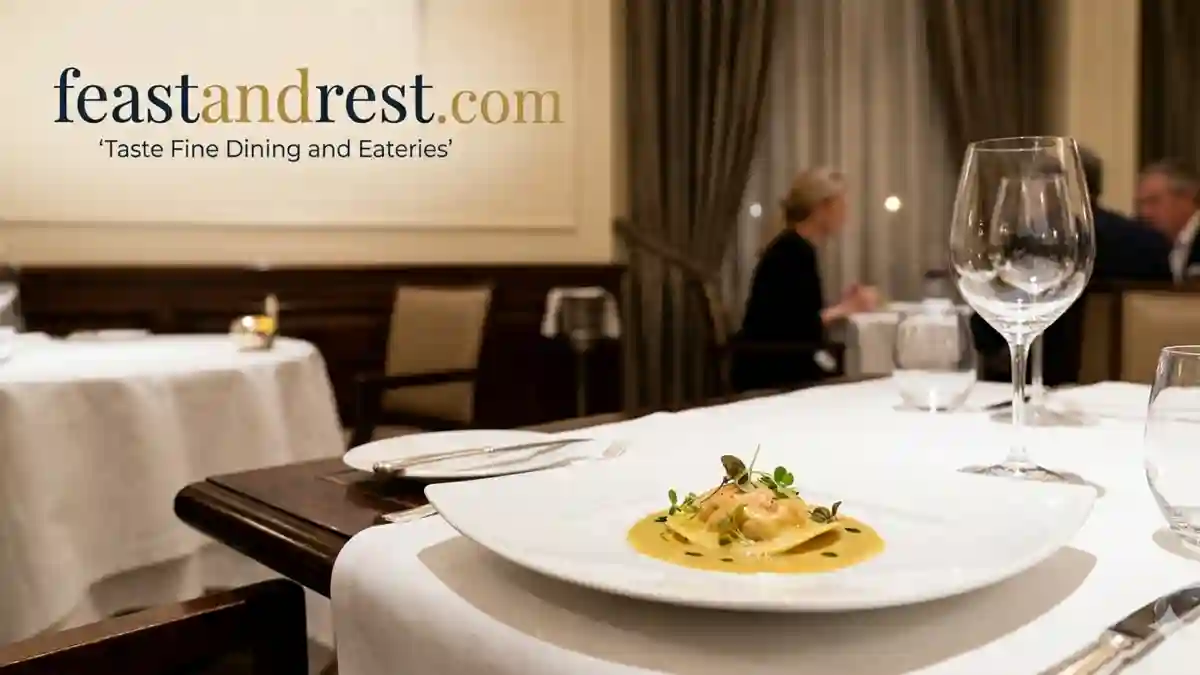
Stepping inside reveals an intimate space designed to focus all attention on the table. With a limited capacity of just over a dozen tables, the dining room avoids the noisy grandeur of larger, modern premium eateries. The interior design utilizes a palette of soft tones—muted grays, creams, and rich wood accents—relying on texture and lighting rather than opulent decoration to create warmth.
Acoustics: Soft carpets and heavy drapery ensure that conversations remain private, fostering a calm, focused environment.
Table Layout: Generous spacing between tables allows the service team to navigate the room with frictionless grace.
Lighting: Pin-spot illumination is directed precisely at each table, turning every dish into a visual centerpiece.
This deliberate design philosophy establishes an atmosphere of quiet luxury. It feels exclusive without being exclusionary, allowing guests to relax and fully engage with the multi-sensory experience ahead.
Culinary Philosophy: Precision, Heritage, and Evolution
At the core of the kitchen’s identity is an unwavering commitment to the rigorous discipline of classic French cuisine, filtered through a modern British lens. The culinary team operates with a level of high technical precision where every sauce reduction, knife cut, and temperature zone is monitored to the millimeter.
However, the philosophy here is far from static. While the foundations are rooted in Escoffier-style perfection, the current interpretations prioritize cleaner flavors, lighter emulsifications, and a deep respect for micro-seasonality. The kitchen works closely with small-scale British purveyors, sourcing hand-dived scallops from Scotland, native lobsters, and rare-breed meats. This intersection of French technique and pristine British sourcing defines the modern identity of the menu, ensuring that legacy dishes feel vibrant rather than dated.
+--------------------------+----------------------------+----------------------------+
| Culinary Pillar          | Traditional Foundation     | Modern Application         |
+--------------------------+----------------------------+----------------------------+
| Sauces & Reductions      | Heavy bone-marrow bases    | Intensified broths, oils   |
| Ingredient Sourcing      | Continental imports        | Hyper-local British farms  |
| Presentation Style       | Elaborate tableside silver | Clean, geometric plating   |
+--------------------------+----------------------------+----------------------------+
Signature Dishes to Try
Based on available information and classic menu structures, the progression of dishes reflects a masterful balance of texture, acidity, and rich umami undertones.
Prestige Ravioli: A legendary heritage pasta parcel typically filled with sweet lobster, langoustine, and salmon, finished with a rich, velvety lemongrass and chervil velouté.
Dover Sole: Often prepared with exact precision, paired with delicate coastal herbs, brown butter variations, or seasonal sea vegetables that accent the fish’s natural sweetness.
Roast Pigeon: Frequently featured as a main course, showcasing flawless cooking temp, paired with elements like beetroot, smoked duck liver, or spiced jus.
The Tarte Tatin: A masterclass in pastry work, featuring caramelized apples, flaky puff pastry, and Tahitian vanilla ice cream, carved tableside.
Chef’s Insight: The balance of a multi-course menu relies entirely on the transition of weights. A heavy, rich seafood course must always be followed by an element that introduces clean acidity to reset the palate.
The Art of Seamless Service
The service delivery on Royal Hospital Road is often described as an intricate ballet. Led by a highly trained front-of-house team, the hospitality model moves away from the stuffy, intimidating service patterns of the past. Instead, the staff practices intuitive hospitality—the ability to read a table’s mood and adjust their interaction style accordingly.
Whether a guest desires an in-depth lecture on the provenance of their lamb or prefers an uninterrupted romantic evening, the staff adapts invisibly. Plates are dropped in perfect unison, crumbs are swept with silent efficiency, and courses arrive at a cadence that feels natural, never rushed. This level of service removes all friction from the evening, allowing the guest to remain entirely immersed in the culinary journey.
Curation in the Cellar: Wine and Pairings
A three-star meal requires an equally ambitious beverage program. The wine cellar here is a curated archive of global viticulture, managed by an expert sommelier team. While the collection boasts an exceptional depth of classic French regions—featuring iconic vintages from Bordeaux, Burgundy, and Champagne—it also champions emerging terroirs and sustainable producers from the New World.
The pairing menus are crafted with a focus on harmony and contrast. Rather than simply matching weights, the sommeliers look for specific flavor compounds or structural elements—like the sharp acidity of a dry German Riesling cutting through the richness of a shellfish velouté, or an aged Nebbiolo echoing the earthy tones of winter truffles. Non-alcoholic pairing flights have also been elevated to a fine art, utilizing fermented teas, botanical distillates, and cold-pressed extractions to match the complexity of the food.
Practical Information for the Discerning Diner
Securing a table at this flagship location requires foresight and planning. Because of the intimate room size and global reputation, reservations operate on a strict release schedule and book out months in advance.
Reservations: Typically released on a rolling monthly basis via their official online portal. Mid-week lunch reservations occasionally offer better availability than weekend dinners.
Dress Code: Smart jacket preferred for gentlemen; sportswear and trainers are not permitted. The environment warrants dressing for the occasion.
Dietary Requirements: The kitchen is highly accommodating of allergies and dietary preferences, provided they are communicated at least 48 hours prior to the booking.
Ideal For: Milestone celebrations, connoisseurs of classical technique, and intimate business dinners requiring absolute privacy.
Ultimately, the enduring appeal of Restaurant Gordon Ramsay lies in its refusal to compromise on foundational excellence. In a world of fast-moving culinary fads, this Chelsea institution remains a monument to what can be achieved when high technical skill meets a deeply considered hospitality philosophy. It is an experience that lingers in the memory long after the final espresso is served—a true testament to the timeless art of fine dining.
Source Context and Data Notes
Sources Consulted: This article is synthesized using established culinary industry knowledge, historical Michelin Guide records, architectural overviews of the Chelsea dining district, and public accounts of classic French-British fine dining methodologies.
Menu Variability: Menus and specific ingredient pairings change regularly based on seasonal availability, market sourcing, and chef inspiration. Specific dishes mentioned reflect the historical pillars and conceptual style of the kitchen rather than a fixed, permanent menu.
Generalizations: Descriptions of the interior ambiance, table settings, and service cadences are generalized to reflect the enduring operational standards of luxury three-starred environments rather than real-time daily changes.