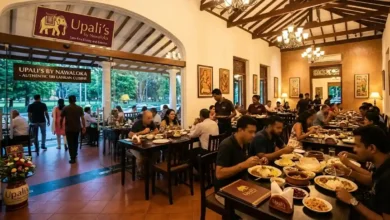
The capital’s premium culinary landscape is experiencing a significant shift as regional Indian traditions take center stage. For years, the global perception of subcontinental food in the UK was dominated by generalized menus. Today, discerning diners seek the specific, nuanced flavors of historic culinary capitals. The latest milestone in this evolution is a highly anticipated project from a acclaimed culinary figure, marking a major moment for London high-end Indian dining in 2026. This development brings the sophisticated, slow-cooked heritage of Uttar Pradesh straight to the heart of the city’s most famous food district, signaling a fresh chapter for regional gastronomy.
The Evolution of Subcontinental Flavors in the Capital
London’s relationship with Indian gastronomy has evolved from the standard high-street curry house to some of the most sophisticated Michelin-starred kitchens in the world. This transformation has been driven by a growing appreciation for regional specificity. Rather than offering a monolithic view of subcontinental food, modern chefs are focusing on distinct provincial styles, from the seafood-heavy coastal dishes of Goa to the fiery plates of Rajasthan.
The current dining landscape increasingly rewards historical accuracy and technical precision. Diners are no longer just looking for familiar spice profiles; they want to understand the origins, the cultural contexts, and the precise techniques behind their meals. This shift has cleared a path for the introduction of highly specialized concepts that focus entirely on a single culinary school, treating ancient recipes with the same reverence as classical European cuisine.
From Birmingham to the Banks of the Thames
At the center of this movement is the vision of a celebrated culinary figure. Known for pushing the boundaries of progressive Indian gastronomy, the Opheem Birmingham chef new opening represents a significant expansion into the competitive London market. Having already secured a formidable reputation and critical acclaim in the Midlands, the chef’s arrival in the capital is one of the most discussed culinary events of the year.
+--------------------------+-------------------------------------------+
| Feature                  | Detail                                    |
+--------------------------+-------------------------------------------+
| Culinary Director        | Chef Aktar Islam                          |
| Primary Culinary Focus   | Heritage Awadhi Cuisine                   |
| Core Cooking Technique   | Authentic Dum Pukht (Slow, Sealed Cooking)|
| Location                 | Borough Market, Southwark, London         |
+--------------------------+-------------------------------------------+
The move to London is not merely a replication of past success but a targeted exploration of a specific, historic cooking style. By choosing to establish a presence in the capital, the culinary team aims to introduce a dedicated audience to the refined, courtly traditions of Northern India, bridging the gap between historical royal kitchens and modern British diners.
The Heritage of Awadhi Cuisine London
To understand the significance of this new establishment, one must understand the roots of Awadhi cuisine London food enthusiasts are now discovering. Originating from the city of Lucknow in modern-day Uttar Pradesh, Awadhi food was crafted by the royal chefs of the Nawabs. It is a culinary style deeply influenced by Persian, Mughal, and local Northern Indian traditions, characterized by its elegance, subtle use of aromatics, and incredible tenderness.
Unlike the fiery, robust spice blends found in other Indian regions, Awadhi cooking relies on a delicate, sophisticated orchestration of flavors. Spices like saffron, cardamom, mace, and star anise are used not to overpower, but to create a complex, layered aroma. The philosophy is centered around the idea that no single ingredient should dominate the palate; instead, they should melt together into a seamless, harmonious whole.
Mastering the Art of Authentic Dum Cooking London
The defining technical pillar of this new establishment is authentic dum cooking London chefs rarely attempt at this scale. Dum Pukht, which translates literally to “breathing oven,” is a centuries-old technique where meat, rice, or vegetables are cooked in a heavy-bottomed round pot, traditionally called a degh. The vessel is sealed tightly with a heavy lid and a thick ring of wheat dough, preventing any steam or aroma from escaping.
       [ Heavy Lid Seal ]
               ||
      +------------------+  <-- Dough Seal (Atta)
      |                  |
      |   Steam & Aroma  |  <-- Trapped inside for
      |    Circulation   |      intense flavor infusion
      |                  |
      +------------------+
        \              /
         \____________/     <-- Low, Constant Coal Heat
By allowing the ingredients to mature slowly in their own juices, the process concentrates the natural flavors of the meats and vegetables while infusing them deeply with the embedded spices. Based on available information, the kitchen utilizes low, constant heat sources to mimic the traditional charcoal embers, ensuring that the integrity of this slow-maturing process is preserved exactly as it was in the royal courts of Lucknow.
Contextualizing Oudh 1722 Borough Market Menu
While the precise daily offerings remain dynamic to reflect seasonal availability, the conceptual framework of the Oudh 1722 Borough Market menu centers on historical accuracy balanced with contemporary presentation. The menu provides a curated journey through the classic courses of a traditional Awadhi feast, adapted gracefully for an international tasting audience.
Key Menu Highlights
Kakori Kebab: A legendary, incredibly fine-textured lamb kebab, lightly spiced with cloves, cinnamon, and a touch of saffron, designed to melt instantly on the palate.
Murgh Dum Biryani: Fragrant long-grain basmati rice layered with tender pieces of marinated chicken, sealed in a clay pot and slow-cooked to allow the aromatics to permeate every grain.
Nihari: A rich, slow-simmered lamb stew cooked overnight with bone marrow and a specific blend of indigenous spices, resulting in a deeply savory, velvety gravy.
Sheermal: A traditional, mildly sweet, saffron-infused flatbread baked in an iron tandoor, specifically designed to complement the rich, aromatic gravies of the main courses.
The Vibrant Backdrop of Borough Market New Restaurants 2026
Positioning a high-end, slow-cooked concept within the bustling Southwark district is a deliberate and interesting choice. As one of the premier destinations for Borough Market new restaurants 2026, the area is historically celebrated for its raw ingredients, artisanal cheeses, and vibrant street food culture. Introducing a refined, sit-down dining experience of this caliber adds a new dimension to the local food scene.
The surrounding neighborhood, characterized by its historic railway arches and cobblestone paths, creates a striking contrast with the sleek, sophisticated interior of the dining room. The venue bridges the gap between the historic market’s raw culinary energy and the elevated expectations of international fine dining, making it a natural destination for both dedicated gourmands and casual visitors exploring the south bank of the Thames.
Securing Aktar Islam Reservations and Dining Practicalities
Given the high profile of the culinary team and the limited seating capacity necessitated by the intimate dining room design, arranging your visit well in advance is essential. Managing Aktar Islam reservations requires utilizing the restaurant’s dedicated digital portal, where tables are typically released on a rolling monthly basis.
Practical Information
Location: Southwark Street, adjacent to the historic Borough Market district, London.
Reservations: Highly recommended to book 4–6 weeks in advance via the official online platform.
Dress Code: Smart casual; the atmosphere is refined yet comfortably welcoming.
Ideal For: Special celebrations, intimate business dinners, and dedicated culinary enthusiasts seeking an authentic exploration of regional Indian gastronomy.
The pricing structure reflects the premium nature of the ingredients and the extensive labor involved in traditional dum cooking. Diners can choose between a curated multi-course tasting menu, which offers the most comprehensive journey through Awadhi history, and a focused à la carte selection during weekday lunch services, providing flexibility for different dining occasions.
A New Benchmark for Regional Gastronomy
The arrival of this dedicated Awadhi concept represents more than just a new dining room in a busy market; it marks a point of maturity for London’s international food scene. By showcasing the technical rigor, historical depth, and delicate balance of Uttar Pradesh’s royal culinary traditions, the kitchen challenges outdated stereotypes and sets a new benchmark for how regional Indian food is understood and appreciated globally. For those looking to experience the true depth of subcontinental slow-cooking, this destination offers a masterclass in flavor, patience, and heritage.
— Article Body Ends Below —
Source Context and Data Notes
Source Types: This article draws upon public announcements regarding London culinary openings in 2026, established historical documentation of Awadhi culinary traditions and Dum Pukht techniques, and known professional profiles of the culinary directors involved.
Limitations & Variability: Specific menu configurations, individual dish pricing, and exact reservation release schedules are subject to change based on seasonal ingredient availability, kitchen management choices, and operational adjustments.
Generalizations: Descriptions of interior design themes and specific dish compositions are based on standard premium hospitality practices within the regional niche and should be viewed as conceptual representations rather than fixed descriptions.