Norway Coolcation Travel Guide 2026: Fjord Itineraries and Tips
A coolcation is a travel strategy where holidaymakers deliberately choose northern, high-latitude, or elevated destinations with mild summer temperatures (typically 15°C to 22°C) to escape extreme heatwaves in traditional southern regions. As global summer weather patterns shift, international travelers are altering their seasonal planning. The Norway coolcation guide 2026 provides an analytical look at how travelers can structure trips across Western and Northern Norway while navigating regional logistics, sustainable heritage access, and boutique Scandinavian hospitality.
+-----------------------------------------------------------------------------------------+
|                                    COOLCATION AT A GLANCE                               |
+-------------------+---------------------------------------------------------------------+
| Dominant Intent   | Climate-resilient summer travel & heritage-focused slow tourism      |
+-------------------+---------------------------------------------------------------------+
| Primary Corridor  | Western Norwegian Fjords (Bergen, Geirangerfjord, Nærøyfjord)       |
+-------------------+---------------------------------------------------------------------+
| Peak Cool Season  | June through August (Average temperatures: 15°C–20°C)               |
+-------------------+---------------------------------------------------------------------+
| Key Logistics     | Flåm Railway, electrification-ready fjord ferries, coastal lines    |
+-------------------+---------------------------------------------------------------------+
In corporate travel filings and regional economic assessments, Northern Europe has emerged as a key beneficiary of changing tourist behavior. Data from Innovation Norway and the European Travel Commission indicates that international overnight stays across Nordic destinations saw double-digit growth heading into 2026, driven by visitors seeking temperate outdoor environments, UNESCO World Heritage landscapes, and low-density cultural itineraries. Designing an effective itinerary requires balancing transport connections with responsible travel practices.
This guide outlines the practical foundations of a Norway coolcation travel guide 2026, covering fjord trip planning advice, the best luxury lodges Norway offers, Scandinavia luxury travel tips, and essential escape heat travel destinations.
Why This Matters: The Shift Toward Climate-Resilient Travel
The shift toward temperate destinations represents a structural change in European and international tourism rather than a brief seasonal trend. Rising Mediterranean summer temperatures have made traditional southern European city breaks and coastal stays increasingly uncomfortable during peak months. Consequently, demand has shifted toward Scandinavia, where average summer daytime highs hover around 18°C.
This demographic realignment has reshaped regional travel planning. According to the European Travel Commission’s Monitoring Sentiment for Intra-European Travel reports, climate resilience and weather comfort now rank among the top considerations for European trip selection. Travelers are prioritizing regions with expansive natural space, clean air, stable infrastructure, and rich cultural heritage—qualities that define the Norwegian landscape.
From a preservation perspective, this shift brings both opportunities and challenges for local governance. While expanded seasonal windows extend economic benefits beyond the traditional July peak, regional authorities must actively manage trail capacity, ferry traffic, and municipal infrastructure to protect fragile fjord ecosystems.
What the Data Shows: Key Metrics for 2026 Travelers
Travelers evaluating a Norway coolcation travel guide 2026 must consider environmental data, transport schedules, and accommodation availability. The table below highlights key operational parameters for the primary fjord corridors based on official figures from Visit Norway and Fjord Norway:
| Region / Corridor | Average Summer Temp | Daylight Hours | Transport Access | Primary Heritage / Cultural Focus |
| Vestland (Bergen & Nærøyfjord) | 15°C – 19°C | 18–19 Hours | Bergensbanen Rail, Electric Ferries | UNESCO Wooden Architecture, Hanseatic Wharf |
| Møre og Romsdal (Geirangerfjord) | 14°C – 18°C | 19–20 Hours | Ålesund Airport, Scenic Routes | Historic Alpine Farms, Waterfall Navigation |
| Northern Norway (Lofoten & Tromsø) | 12°C – 16°C | 24 Hours (Midnight Sun) | Bodø Rail, Coastal Express, Direct Air | Sámi Cultural Heritage, Arctic Maritime History |
By the Numbers: Norway’s Tourism Shift
131%: Reported year-over-year surge in summer bookings for Scandinavian climate-escape destinations.
2: UNESCO World Heritage-listed fjords in Western Norway (Geirangerfjord and Nærøyfjord).
2026 Zero-Emission Mandate: Norwegian Parliamentary requirements mandating low- or zero-emission vessels in protected fjord routes.
18 Hours: Average daily sunlight in Southern and Western Norway during June and July, allowing flexible outdoor itineraries.
How to Plan a Coolcation: Logistics and Norwegian Fjords Itinerary
Executing a successful coolcation requires organizing transit, timing, and local access. A structured Norwegian fjords itinerary balances urban rail hubs with remote coastal routes, minimizing transit friction while maximizing time spent outdoors.
+------------------------------------------------------------------------------------------+
|                         RECOMMENDED 7-DAY FJORD ITINERARY FLOW                           |
+------------------------------------------------------------------------------------------+
|  Day 1–2: Oslo to Bergen via Bergensbanen Rail & Flåm Railway                           |
|  --> Journey through Hardangervidda plateau; board Flåm Railway to Aurlandsfjord.        |
+------------------------------------------------------------------------------------------+
|  Day 3–4: Nærøyfjord & Sognefjord Navigation                                             |
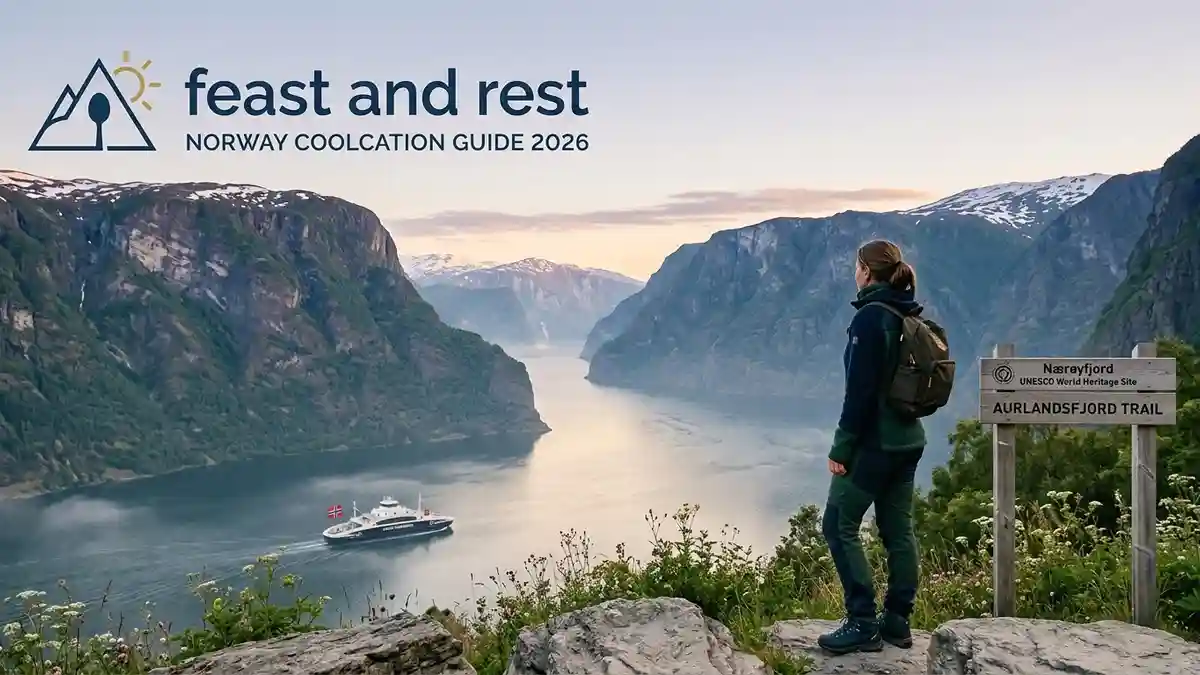
|  --> Electric ferry through UNESCO-listed Nærøyfjord; stay at historic fjord hotels.     |
+------------------------------------------------------------------------------------------+
|  Day 5–6: Sunnmøre Alps & Geirangerfjord Route                                           |
|  --> Drive Norwegian Scenic Route Gaularfjellet; explore Union Geiranger heritage trail. |
+------------------------------------------------------------------------------------------+
|  Day 7: Ålesund Art Nouveau Center & Coastal Departure                                   |
|  --> Coastal architecture tour in Ålesund; direct international departure.               |
+------------------------------------------------------------------------------------------+
Essential Norway Coolcation Tips
Book Transit and Lodging Early: Scandinavia luxury travel tips consistently emphasize that boutique lodges and express fjord trains operate with limited capacity and often sell out six to nine months in advance.
Utilize Public Rail Infrastructure: The Bergensbanen (Oslo to Bergen) and Raumabanen (Dombås to Åndalsnes) provide climate-friendly transport directly through scenic alpine passes.
Pack Layered Outfits: Summer temperatures in the fjords can range from 8°C during rainy maritime mornings to 22°C on clear inland afternoons. High-quality wool base layers and windproof outerwear are essential.
Prioritize Off-Peak Departure Times: Popular sites like Preikestolen (Pulpit Rock) and the Geiranger skywalk experience high visitor volume between 10:00 AM and 2:00 PM; late-afternoon hikes leverage extended daylight to avoid crowds.
Best Luxury Lodges Norway: Accommodation and Hospitality Standards
A key aspect of a Norway coolcation travel guide 2026 is selecting accommodations that combine high-end Scandinavian design with environmental stewardship and local heritage. Rather than large international hotel chains, Norway’s luxury sector is defined by historical timber hotels, converted waterfront rorbuer (fishermen’s cabins), and architectural wilderness lodges integrated into the terrain.
Top Architectural and Heritage Lodges
Storfjord Hotel (Glomset): Set in a wooded hillside overlooking the Sunnmøre Alps, this boutique log hotel features traditional Norwegian craft detailing, locally sourced timber, and farm-to-table dining linked to nearby coastal growers.
Hotel Union Øye (Norangsfjorden): Established in 1891, this fully restored wooden hotel has hosted historic explorers, artists, and European royalty. It serves as a base for exploring remote hiking trails and alpine lakes.
Juvet Landscape Hotel (Valldal): A landmark in modern Nordic architecture, Juvet uses independent glass-walled timber cubes built on concrete stilts to minimize land disturbance along the Valldolla River.
Manshausen Island (Steigen Archipelago): Located in Northern Norway, this coastal retreat features cantilevered sea cabins designed for low-impact Arctic sea kayaking, eagle watching, and viewing the Midnight Sun.
When evaluating luxury stays in Scandinavia, travelers should look for certifications such as Eco-Lighthouse (Miljøfyrtårn) or Nordic Swan Ecolabel. These confirm that properties adhere to strict standards regarding energy use, local waste management, and regional food procurement.
Societal and Sustainability Impact: Protecting Fjord Communities
The rise of escape heat travel destinations brings clear economic opportunities to rural Norwegian municipalities, but it also highlights the need for sustainable tourism practices. Smaller communities like Flåm, Geiranger, and Hellesylt experience significant seasonal population swings, placing high demand on municipal water treatment, local road networks, and emergency services.
+-----------------------------------------------------------------------------------------+
|                        SUSTAINABLE TRAVEL PRACTICE CHECKLIST                            |
+-----------------------------------------------------------------------------------------+
| [✓] Opt for electric or hybrid ferry options across UNESCO protected corridors          |
| [✓] Support local culinary initiatives featuring sea-to-table and heritage produce      |
| [✓] Respect official trail markings to prevent soil erosion in high-altitude zones     |
| [✓] Utilize public electric rail networks for inter-city and inter-fjord transits      |
+-----------------------------------------------------------------------------------------+
Norway has introduced targeted policy measures to balance visitor accessibility with environmental preservation:
Maritime Emissions Regulations: By order of the Norwegian Parliament, ships operating in world heritage fjords must meet zero-emission requirements, driving adoption of electric battery-powered passenger ferries.
Preservation of Indigenous Cultural Heritage: In Northern Norway, sustainable tourism frameworks emphasize collaboration with Sámi communities. Guided reindeer herding tours and storytelling experiences are structured to respect indigenous land rights and traditional livelihoods.
The Right to Roam (Allemansretten): Norway’s statutory outdoor access rights allow the public to traverse uncultivated land. However, responsible coolcation travel requires strictly adhering to Leave No Trace principles, camping only in designated zones, and using official waste disposal facilities to protect fragile flora.
Expert Perspectives: Insights on the Coolcation Movement
Industry analysts and sustainable travel leaders point out that coolcations represent a permanent evolution in consumer travel choices.
“The concept of the ‘Coolcation’ has rapidly evolved from a travel trend into a major market driver. Instead of choosing increasingly hot Mediterranean destinations, more travelers are heading to Northern Europe, attracted by milder temperatures, spectacular landscapes, and a slower, more sustainable style of travel.”
— Hansli, Cruising Journal Regional Report
“Guests are seeking immersive cultural moments such as Sámi storytelling, reindeer herding insight, and sea-to-table dining, rather than passive sightseeing. Hotels are boutique, lodges are remote, and individual huts are finite, so planning in advance is critical for high-season availability.”
— Torunn Tronsvang, Founder and CEO of Up Norway
Strategic Recommendations for 2026 Travelers
When putting this Norway coolcation travel guide 2026 into practice, travelers should focus on balanced timing, sustainable transportation, and authentic cultural engagement.
Select Shoulder Seasons: Consider traveling in late May, June, or September. These shoulder months offer mild weather, operating ferry routes, and manageable visitor volumes in key areas like the Geirangerfjord and Lofoten Islands.
Combine Rail and Electric Waterway Transit: Use the national rail network (Vy) to travel between Oslo and Bergen before transferring to electric regional ferries. This cuts trip emissions while offering direct access to fjord landscapes.
Incorporate Regional Cultural Hubs: Balance outdoor hiking with time in historic urban centers like Bergen, Ålesund, and Trondheim to explore art collections, local gastronomy, and maritime history.
Prioritize Certified Sustainable Operators: Book excursions through certified B Corp or Eco-Lighthouse providers to ensure travel expenditures directly support local communities and environmental conservation initiatives.
Stay inspired with Feast and Rest!
—
Source and Data Limitations
This analytical destination report relies on public data, tourism statistics, and policy reports published by Innovation Norway, Visit Norway, Fjord Norway, the European Travel Commission (ETC), and the UNESCO World Heritage Centre. Operational parameters, maritime regulations, and transit schedules reflect official guidelines for the 2025–2026 travel cycles. Unverified commercial claims, unbacked accommodation reviews, and speculative weather forecasts were excluded from this analysis. Because hotel capacities in remote fjord locations remain low, availability figures and seasonal pricing fluctuate based on booking lead times. Environmental regulations, including zero-emission maritime rules, are subject to ongoing legislative adjustments by the Norwegian Ministry of Climate and Environment.