Few hotels in the world carry the cultural and cinematic weight of the Park Hyatt Tokyo. Looming high above the neon-lit streets of Shinjuku, this legendary property has spent three decades serving as the ultimate symbol of understated luxury in the Japanese capital. Originally opened in 1994, it captured the global imagination as the atmospheric backdrop for Sofia Coppola’s Oscar-winning film Lost in Translation. For many international travelers, the property is not just a place to sleep; it is a destination woven deeply into the fabric of modern pop culture and luxury hospitality history.
Recently, the iconic hotel entered an important new era. After shutting its doors in mid-2024 for a meticulous, 19-month property-wide renovation, the Park Hyatt Tokyo officially reopened to guests in December 2025. This massive rejuvenation project—the most comprehensive in the hotel’s history—sought to gently guide the aging landmark into the contemporary era. By partnering with the Paris-based design firm Studio Jouin Manku, the property underwent an intentional evolution rather than a complete reinvention. The goal was to preserve the specific, hushed DNA established by original interior architect John Morford while injecting fresh warmth, updated technology, and elevated culinary concepts.
1. The Heritage and Cultural Significance of Park Hyatt Tokyo
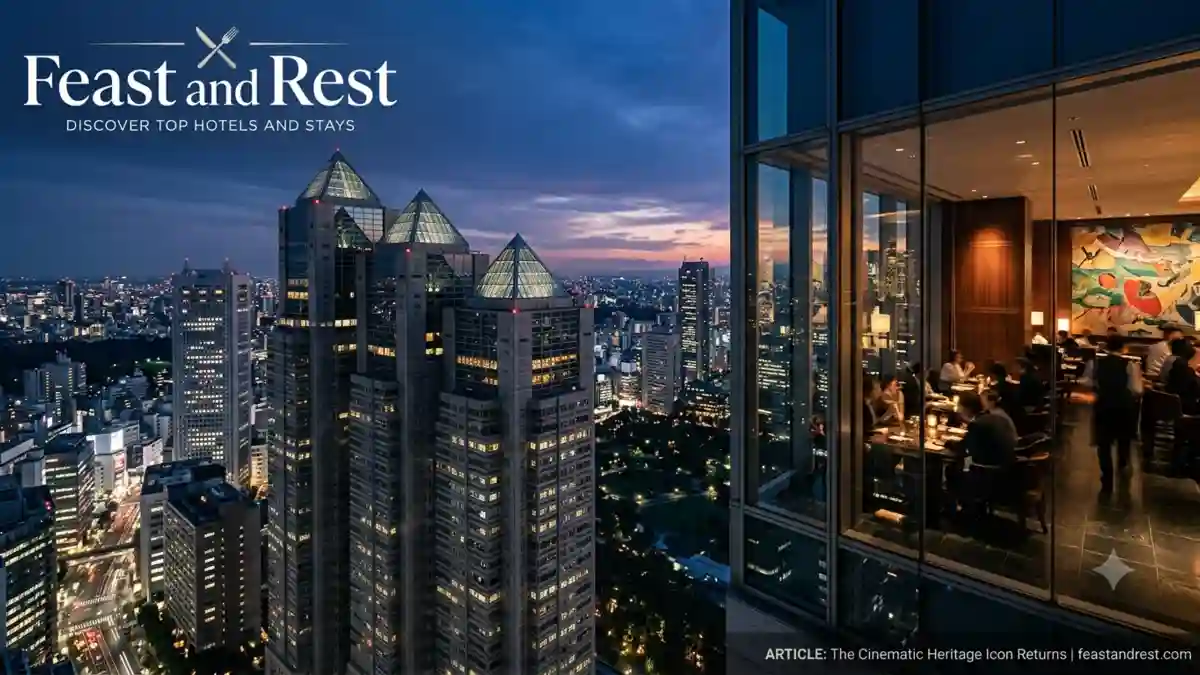
The enduring appeal of the Park Hyatt Tokyo lies in its unique ability to offer a serene sanctuary that feels entirely removed from the frenetic energy of the city below. Occupying the top 14 floors of the 52-story Shinjuku Park Tower, the hotel was conceptualized by Pritzker Prize-winning architect Kenzo Tange. Its striking architectural silhouette—marked by three interconnected, glass-topped pyramids—remains an instantly recognizable fixture of the Tokyo skyline.
When it first opened in the mid-1990s, the hotel challenged traditional notions of luxury. Instead of opulent chandeliers and gold leaf, it embraced a minimalist, residential-style aesthetic characterized by rich green marbles, deep granites, and rare woods. This specific atmosphere created a deeply loyal following among creative professionals, business executives, and luxury enthusiasts. The recent transformation represents a delicate balancing act: honoring that precise heritage while ensuring the hotel meets the demands of today’s discerning travelers. According to project details shared by the design team, every design choice was evaluated through the lens of continuity, ensuring that returning guests would still feel an immediate sense of familiar comfort.
2. A Distinctive Setting in the Shinjuku District
Location plays a defining role in how guests experience the Park Hyatt Tokyo. Situated on the western edge of Shinjuku, the hotel occupies a quieter, commercial micro-neighborhood filled with corporate skyscrapers and civic architecture, including the Tokyo Metropolitan Government Building. This positioning creates a distinct sense of exclusivity and retreat. It stands in contrast to properties situated directly above major transit stations, where crowds are unavoidable.
+-------------------------------------------------------------+
|               NEIGHBORHOOD ACCESSIBILITY                   |
+---------------------------+---------------------------------+
| Landmark / Attraction     | Approximate Distance / Access   |
+---------------------------+---------------------------------+
| Shinjuku Central Park     | Adjacent (2-minute walk)        |
| Shinjuku Station          | 15-minute walk (Shuttle avail.) |
| Meiji Jingu Shrine        | 10-minute drive                 |
| Yoyogi Park               | 10-minute drive                 |
| Tokyo Haneda Airport      | 30-minute drive (20 km)         |
| Narita Int'l Airport      | 60-90-minute drive (75 km)      |
+---------------------------+---------------------------------+
While the hotel provides a peaceful vantage point, it remains closely connected to Tokyo’s primary pulses. Shinjuku Central Park is just steps away, offering a lush green escape that is especially beautiful during the spring cherry blossom season and autumn foliage periods. For exploration further afield, Shinjuku Station—one of the world’s busiest transportation hubs—is accessible via a 15-minute walk or the hotel’s complimentary shuttle service. This provides straightforward access to Shibuya, Harajuku, and the high-end shopping districts of Ginza.
3. The Reimagined Architecture and Design Philosophy
Tasked with refreshing a masterpiece, designers Patrick Jouin and Sanjit Manku spent four years planning the physical update. The original interiors by John Morford were celebrated for their pure, cool, and somewhat academic lines. However, after 30 years of continuous operation, certain spaces began to feel slightly cold and technologically outdated. The new design language introduces a noticeable softness, replacing rigid angles with gentle curves and incorporating a warmer color palette.
The physical transition begins the moment guests ascend to the 41st floor. The arrival experience takes visitors through the sunlit Peak Lounge, where a central bamboo grove stands beneath a soaring glass atrium. Studio Jouin Manku subtly elevated this space by introducing custom lighting fixtures from Cristallerie Saint-Louis, which cast delicate circular patterns across the lounge tables. Throughout the communal spaces, the hotel’s signature dusty green tones have been thoughtfully updated with custom Tai Ping carpets that feature a richer, desaturated hue, introducing a deeper sense of tactile comfort to the corridors.
4. Redesigned Rooms and Elevated Accommodations
In a notable move to increase spatial exclusivity, the hotel reduced its total inventory from 177 to 171 rooms and suites during the restoration. This reconfiguration allowed for the introduction of a brand-new Park Suite category, specifically designed to cater to travelers seeking distinct living and sleeping quarters alongside expanded walk-in closets.
The structural interventions inside the guest rooms are highly apparent. The original sharp lines of the furniture have been replaced with custom, softly curved leather headboards that wrap around the beds. Suspended directly above the beds are the original magnolia-leaf artworks, preserving a vital piece of the hotel’s visual history.
Key In-Room Amenities & Upgrades:
• Bedding: Custom Frette Italian linens and tailored yukata sleepwear
• Technology: Large-screen LG televisions paired with Bose smart ultra-soundbars
• Bath Products: Premium bath amenities curated by Aesop
• Convenience: Integrated bedside master controls and Nespresso coffee systems
• Hair Care: High-performance Dyson Supersonic hairdryers
The bathrooms have undergone an extensive transformation inspired by traditional Japanese wellness rituals. They have been re-engineered into expansive wet rooms where deep soaking bathtubs and standalone rainfall showers are united in a seamless, open layout. Wrapped in single blocks of Serpe stone and illuminated by custom, blown-glass “moon” lamps, these spaces offer a private, spa-like environment. Crucially, the deep window seats have been meticulously retained, offering unobstructed, vertiginous views of the Tokyo metropolis on one side, or the distant, snowy peak of Mount Fuji on the other.
5. Culinary Masterpieces: From Alain Ducasse to the New York Grill
Dining at the Park Hyatt Tokyo has long been considered a premier culinary event for both international visitors and local residents. The most significant development of the reopening is the debut of Girandole by Alain Ducasse. Developed in partnership with the legendary Michelin-starred chef’s Ducasse Paris Group, this reimagined space infuses a relaxed Parisian brasserie spirit into the heart of Tokyo. The menu prioritizes modern, health-conscious interpretations of classic French dishes, focusing on light execution and pristine seasonal Japanese ingredients. The interior features a striking new burgundy Rosso Levanto marble counter, creating a warm, convivial centerpiece for breakfast and dinner.
“The culinary identity here honors timeless European execution while celebrating the micro-seasons of Japan’s exceptional agricultural landscape.”
Perched on the 52nd floor, the iconic New York Grill & Bar remains the emotional and cinematic heart of the property. Wisely, the design team chose a highly conservative approach here, preserving the famous black-and-chrome grandeur, floor-to-ceiling glass walls, and massive, vibrant paintings that define the space. Guests can still enjoy premium cuts of missing-marbled Saga and Kobe beef while listening to live jazz music against the backdrop of a glittering, nocturnal sea of city lights. Meanwhile, on the lower floors, Kozue continues to serve sophisticated, contemporary Japanese kaiseki (multi-course seasonal dining), where artfully plated dishes reflect the precise transition of Japan’s changing seasons.
6. Club On The Park: A Two-Story Skylit Wellness Oasis
Spanning the 45th and 47th floors, Club On The Park stands as one of the most celebrated urban wellness sanctuaries in Asia. The undisputed crown jewel of this 2,100-square-meter facility is the 20-meter indoor swimming pool. Bathed in natural light from a dramatic pyramid glass atrium, the pool allows swimmers to gaze out across the skyscrapers of Shinjuku. While some early visitors noted that the pool’s architectural updates remained surprisingly conservative, its serene grandeur and sense of scale remain completely unmatched in the city.
Flanking the pool are comprehensive fitness and stretching studios outfitted with the latest interactive Technogym strength and cardiovascular equipment. For deep relaxation, the separate men’s and women’s facilities on the 45th floor house traditional dry saunas, cold plunge pools, whirlpools, and specialized 360-degree body showers. The updated spa treatment menu relies on holistic rituals designed around recovery and alignment. Guests can book specialized therapies like the Tokyo Elixir Facial, developed in partnership with luxury skincare brand Omorovicza, which utilizes rose quartz tools and mineral-rich formulas to revitalize skin stressed by long-haul travel.
7. Practical Planning Advice for Travelers
The Park Hyatt Tokyo operates at a premium luxury price point, making it best suited for couples on milestone journeys, architecture and design enthusiasts, and business travelers who value quiet exclusivity. Because of its expansive layouts and residential feel, it serves as an exceptional base for multi-day stays where the hotel itself functions as part of the travel experience.
To maximize the experience, travelers should consider the following planning details:
Seasonal Dynamics: Winter months typically offer the crispest, clearest air, resulting in highly reliable views of Mount Fuji. Spring stays should be booked up to a year in advance to coincide with the cherry blossoms in adjacent Shinjuku Central Park.
Loyalty Benefits Note: Based on recent operational updates, the property has reportedly reclassified itself under a “resort” designation within the World of Hyatt ecosystem. Travelers holding elite Globalist status should note that this exemption may impact the availability of standard guaranteed 4:00 PM late check-outs.
Dress Code: While daytime dress is casual and comfortable for sightseeing, evening dining at the New York Grill and Kozue calls for smart-casual or elegant attire.
Staying at this high-end property requires an appreciation for slow hospitality. It is a place designed for nursing a classic cocktail at the bar, reading a design book from the hotel’s 2,000-volume private library on the 41st floor, and watching the evening sun sink into a peach-tinged sky above the largest metropolis on earth.
Stay sharp with Feast and Rest.
Source and Data Limitations
Sources Consulted: Official press announcements from Hyatt Hotels Corporation, structural design portfolios from Studio Jouin Manku, culinary program details from Ducasse Paris Group, and verified first-hand guest reviews published in early 2026.
Data Limitations & Exclusions: This review reflects the operational reality of the hotel following its reopening in December 2025. Specific room rates, seasonal package pricing, and exact menu items fluctuate dynamically and have been intentionally excluded to maintain accuracy. Reports regarding elite loyalty benefit variations reflect initial post-reopening policy designations and remain subject to corporate adjustments. Explicit structural details regarding the building’s underlying mechanical and engineering systems were not publicly disclosed and are omitted.