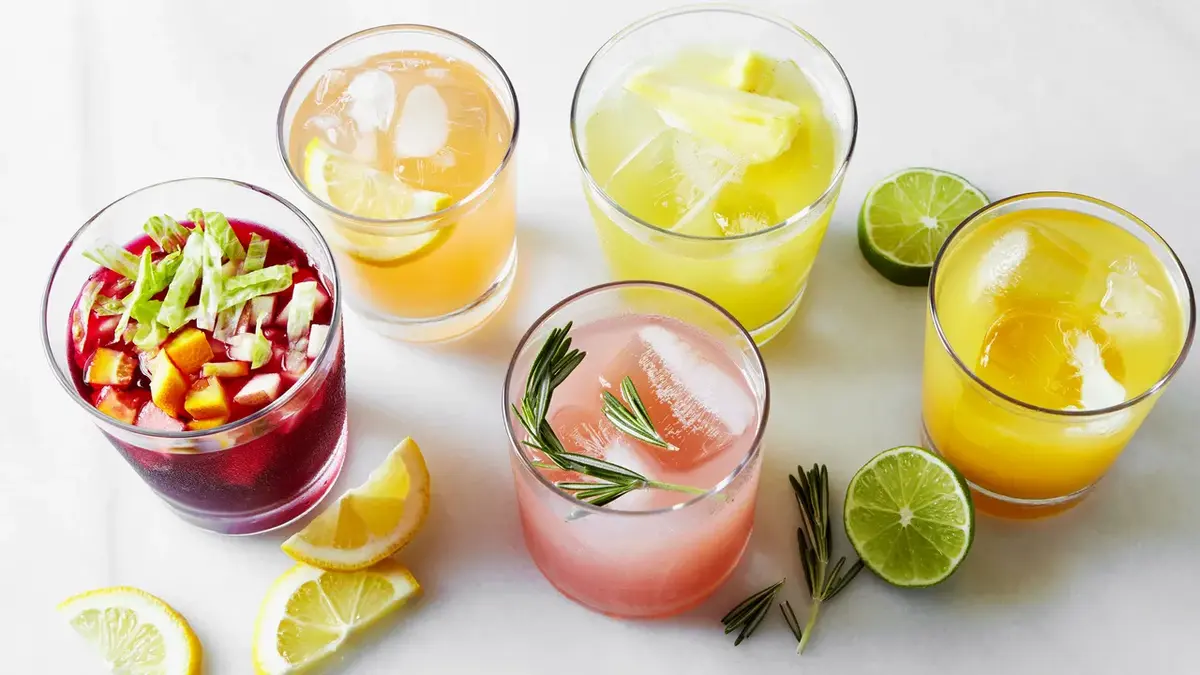
Aguas Frescas, those vibrant and refreshing Mexican drinks, have long been a cornerstone of local beverages in Latin American culture. Translating to “fresh waters,” Aguas Frescas are non-alcoholic beverages made from blended fruits, flowers, or grains mixed with water and a touch of sweetener, offering a light and hydrating alternative to heavier drinks. Their cultural significance lies in their ability to capture the essence of seasonal produce, making them a staple in everyday life and celebrations across Mexico. For travelers seeking authentic experiences, Aguas Frescas represent a must-try element of culinary tourism, providing a sip of history and tradition that enhances any foodie travel itinerary.
What makes Aguas Frescas so appealing is their simplicity and versatility. Unlike craft cocktails that might require specialized tools or ingredients, these drinks embody the spirit of non-alcoholic recipes that anyone can recreate at home or discover abroad. They connect drinkers to local drink traditions, often found bubbling in large glass jugs at street markets or family gatherings. Whether you’re wandering through bustling plazas or relaxing in a coastal cafe, trying Aguas Frescas can transport you to the heart of Mexican hospitality. In a world where artisanal coffee and craft cocktails dominate trendy scenes, Aguas Frescas stand out as accessible local beverages that prioritize natural flavors over complexity.
This article dives deep into Aguas Frescas, exploring their origins, preparation, and ties to travel. We’ll uncover why these drinks are essential for those pursuing culinary tourism, offering insights into non-alcoholic recipes that inspire creativity in the kitchen. From their ancient roots to modern-day pairings, Aguas Frescas invite you to embrace foodie travel with every refreshing gulp. As you read on, imagine the burst of tropical fruit on a hot day – that’s the magic of Aguas Frescas in action.
Cultural Significance Of Aguas Frescas
The history of Aguas stretches back to ancient Mexico, where they originated among the Aztec people, known as the Mexica. These early inhabitants would gather fruits and flowers while navigating rivers and lakes in canoes, blending them with water to create hydrating concoctions during their journeys to Tenochtitlan, now Mexico City. This practice wasn’t just about quenching thirst; it was a way to honor the bounty of nature, turning simple ingredients into something nourishing and communal. Over centuries, Aguas Frescas evolved into a symbol of Mexican ingenuity, incorporating influences from Spanish colonizers who introduced sugar, transforming the drinks into the sweeter versions we know today.
In cultural contexts, Aguas play a pivotal role in festivals, family meals, and daily routines. They are often featured at events like Día de los Muertos or local markets, where vendors display colorful vitroleros – large glass jars – filled with varieties like hibiscus or tamarind. This ties directly into local drink traditions, where Aguas Frescas serve as a bridge between generations, passed down through recipes that emphasize fresh, seasonal elements. Their non-alcoholic nature makes them inclusive, appealing to all ages and aligning with broader trends in local beverages that prioritize health and heritage over indulgence.
Beyond Mexico, Aguas Frescas have gained global recognition, even trending on platforms like TikTok, yet they remain deeply rooted in cultural identity. This resurgence highlights issues like cultural appropriation, as seen in debates over “spa water” – a diluted version that overlooks the drink’s Aztec origins. For culinary tourism enthusiasts, understanding this history adds layers to the experience, turning a simple sip into a story of resilience and tradition. In regions where artisanal coffee thrives, Aguas Frescas offer a complementary refreshment, blending seamlessly into foodie travel narratives that celebrate diverse local beverages.
Their role extends to social customs, where sharing Aguas fosters community bonds. In rural areas, they might be made with foraged ingredients, reflecting sustainable practices that echo ancient methods. As global interest in non-alcoholic recipes grows, Aguas Frescas embody a timeless appeal, inviting travelers to appreciate how local beverages can encapsulate a culture’s spirit. This cultural significance underscores why Aguas Frescas are more than drinks – they’re a gateway to deeper connections in culinary tourism.
Recipe or Beverage Details Of Aguas Frescas
Crafting Aguas at home is a straightforward process that highlights the beauty of non-alcoholic recipes. The basic formula involves fresh fruit, water, a sweetener like sugar or honey, and often a splash of lime for brightness. Start by selecting ripe, seasonal produce – think watermelon for a classic summer version or strawberries for a berry twist. Chop about 4 cups of fruit, blend it with 2 cups of water until smooth, then strain the mixture to remove pulp, yielding a vibrant puree. Dilute with additional water to taste, add sugar gradually (starting with 1/4 cup per liter), and stir in lime juice for balance.
For an authentic Aguas recipe, consider the popular Agua de Jamaica, made from dried hibiscus flowers. Boil 1 cup of flowers in 4 cups of water for 10 minutes, steep for another 10, strain, and sweeten with 1/2 cup sugar. Chill and serve over ice for a tart, ruby-red delight that’s rich in antioxidants. Variations abound: Agua de Limón uses fresh lime juice, water, and sugar for a zesty lemonade-like drink, while Agua de Pepino blends cucumber with lime and mint for a spa-like refreshment. These non-alcoholic recipes allow for creativity, such as adding herbs like basil or even grains like rice for horchata, a creamy cousin to traditional fruit-based Aguas Frescas.
Preparation tips ensure authenticity: always use cold water to preserve flavors, and avoid over-sweetening to let the natural essence shine. For a creamy twist, incorporate evaporated milk into strawberry Aguas Frescas, blending 2 pounds of berries with water, vanilla, and milk for a indulgent yet light beverage. These details make Aguas Frescas accessible for home cooks, mirroring the artisanal approach seen in craft cocktails but without alcohol. In the realm of local beverages, they stand alongside artisanal coffee as easy-to-make options that elevate everyday hydration.
Experimenting with ingredients can tailor Aguas Frescas to dietary needs – use agave for a vegan sweetener or reduce sugar for healthier versions. The key is freshness; ripe fruits yield the best results, ensuring each batch captures the vibrancy of Mexican non-alcoholic recipes. Whether you’re recreating an Aguas Frescas recipe from a trip or innovating at home, these beverages offer endless possibilities for flavor exploration.
Travel Connection Of Aguas Frescas
Aguas Frescas shine brightest in their native Mexico, where culinary tourism thrives around vibrant markets and street food scenes. Mexico City, the historical epicenter, offers some of the best Aguas Frescas at places like Mercado de Coyoacán, where vendors serve fresh batches alongside tacos. Here, travelers can immerse in local drink traditions, sampling varieties like tamarind or pineapple while exploring Aztec ruins nearby.
Oaxaca stands out as a top travel destination for Aguas Frescas enthusiasts, with its markets overflowing with nut-based and floral options. The region’s emphasis on indigenous ingredients ties into broader culinary tourism, where foodie travel includes mezcal tastings paired with non-alcoholic Aguas Frescas for balance. In Yucatán, particularly Mérida, guided food tours feature Aguas Frescas alongside traditional sorbets, highlighting Mayan influences in local beverages.
Puebla and Puerto Vallarta also beckon with dynamic scenes; in Puebla, Arab-Spanish fusions influence drinks, while Vallarta’s coastal vibe pairs Aguas Frescas with seafood festivals. These destinations enhance travel experiences, where trying the best Aguas Frescas in Mexico becomes a cultural rite. For those venturing beyond, U.S. spots like New Mexico echo these traditions, blending them with local twists.
Culinary tourism with Aguas Frescas extends to events like food festivals, where they complement craft cocktails and artisanal coffee in diverse lineups. This connection makes Aguas Frescas a versatile entry point for foodie travel, enriching journeys with authentic sips.
Insider Tips
For the ultimate Aguas experience, prioritize fresh, seasonal fruits when crafting your own non-alcoholic recipes – this ensures peak flavor and authenticity. In Mexico, seek out street vendors or taquerias for the best Aguas Frescas; places like El Paleton offer over 20 flavors for variety. Pair watermelon Aguas with grilled chicken or fish tacos for a refreshing contrast, or lime versions with seafood to enhance meals.
During cultural events like markets or holidays, prepare Aguas Frescas ahead to let flavors meld, ideal for gatherings. For foodie travel, combine with artisanal coffee in the morning and craft cocktails in the evening, using Aguas Frescas as a palate cleanser. Experiment with herbs like mint for twists, and always chill thoroughly for optimal refreshment.
These tips transform sipping Aguas Frescas into an art, blending local beverages with culinary exploration for memorable experiences.
In summary, Aguas encapsulate the joy of local beverages, offering a refreshing dive into Mexican heritage through non-alcoholic recipes and cultural stories. Their role in culinary tourism makes them indispensable for foodie travel, inspiring wanderlust with every flavor. Whether recreating an Aguas recipe at home or seeking them in top travel destinations, these drinks promise to enhance your journeys. Embrace the tradition and let Aguas Frescas guide your next adventure in taste and exploration.