Al-Fanar Heritage Dining: 1960s Emirati Flavors for Today
As diners across the Gulf and beyond gravitate toward hyper-local culinary history, Al-Fanar stands out for turning 1960s domestic Emirati cooking into an accessible, museum-like table experience. Founded in 2011 by Hashem Al Marzouqi, the concept began at a time when traditional Emirati dishes were mostly prepared inside family homes rather than showcased in dedicated restaurants. Earning MICHELIN Guide recognition in Dubai—including inclusion in the 2026 selection for its creekside outpost—highlights how thoroughly heritage cooking has moved into the mainstream culinary conversation.
Across the United Arab Emirates, travelers and residents increasingly look for meals that connect food with place rather than offering generic international menus. Al-Fanar answers that curiosity through warm, aromatic Emirati cuisine built on spices, dried limes, saffron, and coastal seafood rather than heavy heat. Whether you visit a waterfront dining room or a lively shopping destination, the restaurant pairs familiar Gulf hospitality with rooms styled after mid-century pearl-merchant homes.
Location and Atmosphere Across the Emirates

 · AED50-AED150
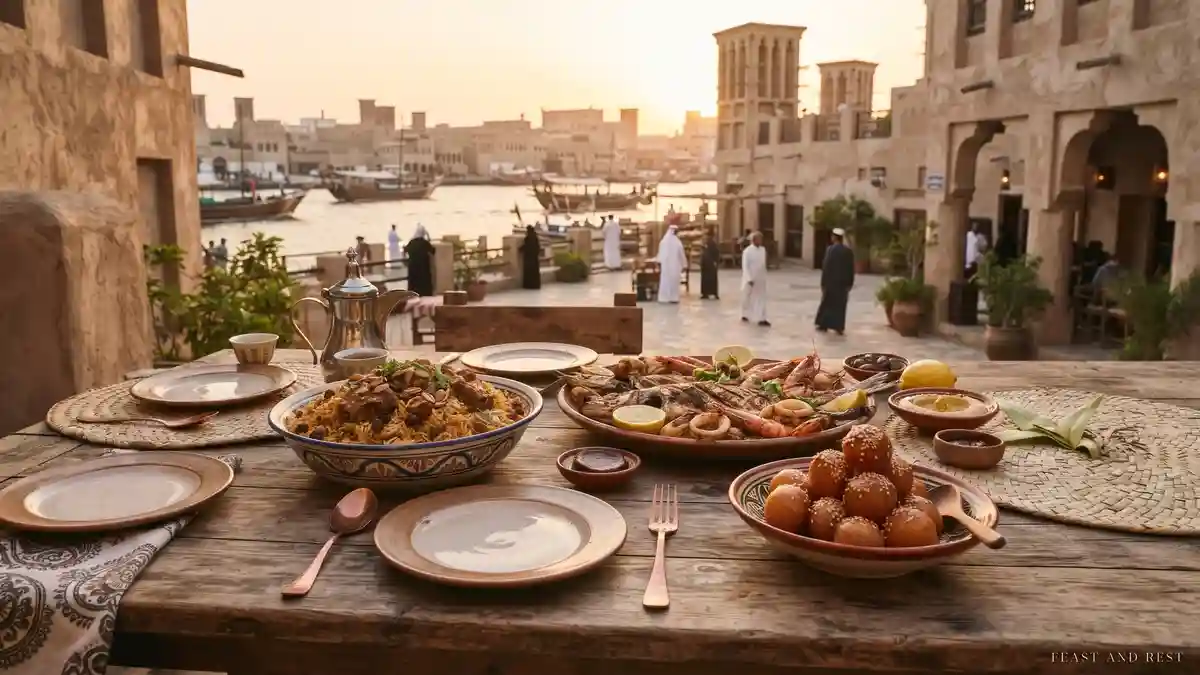
Stepping into along on Dubai Creek places you beside traditional wooden boats, wind towers, and historic-inspired lanes. Reviewers mention that the terrace looking across the water adds a calm, nostalgic pause amid old and modern Dubai. Rather than feeling like a staged theme park, the rooms gather old photographs, brass details, and household objects that invite diners to linger.
Elsewhere in the UAE, each branch adapts the same 1960s domestic blueprint to its surrounding neighborhood. According to current details, locations range from mall-adjacent dining rooms to park-side and courtyard settings in Dubai, Abu Dhabi, and Al Ain.
Creekside and waterfront rooms: Terraces overlooking Dubai Creek pair coastal breezes with views of traditional vessels and heritage architecture.
Park and courtyard settings: Branches such as near lean into relaxed greenery and a seafood-counter format.
Shopping and family hubs: Venues like inside and at Dubai Festival City bring carved plaster, wind-tower facades, and familiar comforts to busy retail itineraries.
Culinary Philosophy and Heritage Roots
What separates Al-Fanar from many contemporary Middle Eastern restaurants is its commitment to everyday home cooking from the 1960s rather than modern fine-dining reinvention. Instead of chasing avant-garde plating, the kitchen focuses on recipes rooted in family tables and coastal trade routes. As currently reported, the brand has also expanded into dedicated seafood market concepts where guests can select fish directly before cooking.
In Gulf cooking, spice blends such as bezar bring warmth, toasted depth, and citrus or floral notes without overwhelming the palate. Dishes are typically designed to be shared family-style, encouraging unhurried conversation across generations. Compared with formal tasting menus or fast-casual counters, the dining room occupies a comfortable middle ground: structured enough for travelers learning Emirati classics, yet relaxed enough for regular family meals.
Menu Highlights and Signature Dishes
Rather than relying on fiery chili heat, Emirati cooking prizes layered aromatics—cardamom, cinnamon, turmeric, dried lemon, and toasted spices—balanced against tender meats, fragrant rice, and sweet dates. Because menus can vary slightly by branch and season, expect core staples alongside regional seafood or morning spreads depending on where and when you dine.
Signature Dishes to Try
Machboos: Fragrant spiced rice cooked with seasoned meat or fish, prized for its warm aroma and savory-spiced grain texture.
Fresh Seafood Trays and Samak Preparations: Coastal Gulf fish and shellfish prepared with aromatic herbs, spices, or traditional accompaniments that highlight clean marine flavors.
Emirati Breakfast Trays: Morning spreads featuring flatbreads, eggs, cheese, and date syrup for a sweet-and-savory start to the day.
Luqaimat: Crisp-outside, tender-inside dough dumplings finished with date syrup and sesame, offering a classic sweet finale.
Dining Experience, Drinks, and Practical Advice
Service at Al-Fanar feels welcoming and unpretentious, making first-time Emirati food approachable for visitors who may not know every dish name in advance. Staff can help explain spice profiles, portion sizes for sharing, and which plates suit groups with mixed dietary preferences. Dining rooms are family-friendly, with indoor air-conditioned seating alongside outdoor terraces or courtyards at select locations.
On the beverage side, traditional teas and coffees anchor the experience rather than wine or alcohol service. Spiced karak tea—rich, milky, and gently aromatic—pairs naturally with sweet pastries or cooler evenings, while Arabic coffee and soft drinks round out daytime meals. If you plan to visit during peak evening hours, weekends, or busy seasonal travel months in late autumn and winter, arriving early or booking ahead is sensible.
Practical Information
Best for: Travelers seeking authentic Emirati cuisine, multi-generational families, and curious food lovers who prefer heritage flavors over trendy tasting menus.
Timing and reservations: Operating hours differ by branch and day of the week; check the specific location’s schedule before heading out, especially for breakfast or late dinner.
Dress code and etiquette: Smart-casual or modest everyday attire fits right in across heritage districts, parks, and shopping malls.
Leaving Al-Fanar often feels less like finishing a standard restaurant meal and more like stepping out of a quiet family living room from decades past. The lingering scent of warm spices, date syrup, and karak tea stays with you long after the table is cleared, giving modern diners a tangible taste of how the Emirates cooked and gathered before rapid modern change.