Securing Atomix NYC reservations remains one of the most sought-after culinary goals in Manhattan. Helmed by Chef Junghyun Park and hospitality director Ellia Park, this two-Michelin-starred Korean tasting counter in NoMad has earned a permanent spot in global fine dining conversations. As modern Korean cuisine continues to evolve in 2026 toward deeply researched, hyper-seasonal storytelling, Atomix stands out for its intimate scale and cerebral approach to traditional techniques. Understanding how the booking release works, what the multi-course format entails, and how the evening unfolds helps diners prepare for a memorable night in New York City.
Tucked Away in NoMad: Atmosphere and Setting
Located on East 30th Street in Manhattan’s NoMad neighborhood, Atomix sits just blocks south of the Empire State Building and Madison Square Park. Unlike the bustling, high-energy restaurants lining nearby Broadway and Fifth Avenue, the venue operates behind a discreet townhouse facade that immediately lowers the pulse of the city outside.
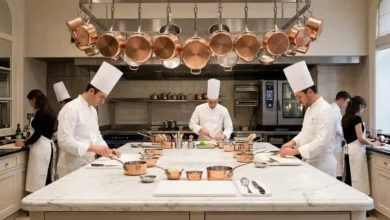
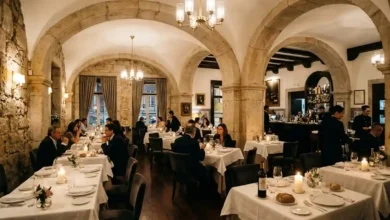
Once inside, guests descend into a subterranean dining room centered around a sleek, U-shaped chef’s counter. With roughly fourteen seats framing the open kitchen, the layout eliminates the barrier between diner and culinary team. Warm wood tones, understated lighting, and custom ceramic tableware create a calm, residential feel rather than a stiff, formal dining room.
For travelers and locals familiar with NoMad’s broader dining scene—which includes upscale steakhouses, trendy hotel lounges, and casual Korean spots further north in Koreatown—Atomix feels markedly more contemplative. There is no background noise competing for attention, allowing the quiet rhythm of plating and subtle aromas from the kitchen to set the tone.
The Culinary Philosophy of Chef Junghyun Park
At the core of Atomix is Chef Junghyun “JP” Park’s commitment to examining Korean culinary heritage through a contemporary lens. Rather than relying solely on familiar Korean barbecue or street food tropes, the kitchen draws from historical cookbooks, regional fermentation practices, and lesser-known royal court techniques.
Each dish on the tasting menu is accompanied by a custom-designed printed card. These cards detail the specific Korean ingredients, historical context, and producer stories behind the plate. This educational element transforms the meal from a passive luxury experience into an interactive study of flavor architecture.
Based on available information and the restaurant’s long-standing format, menus shift periodically to reflect seasonal produce and evolving research. Chef Park balances traditional foundation flavors—such as fermented soybean pastes (doenjang), aged soy sauces (ganjang), and house-made vinegars—with pristine seafood, dry-aged meats, and delicate vegetable preparations.
Tasting Menu Structure and Culinary Highlights
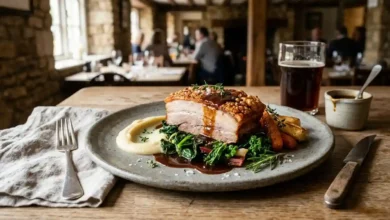
Because Atomix operates exclusively with a seasonal tasting menu, dishes change regularly throughout the year. However, diners can expect a structured progression of roughly ten to twelve courses that move methodically from light, bright starters to richer, deeply savory mains and nuanced desserts.
Key Menu Highlights and Recurring Motifs
Fermentation-Driven Starters: Early courses often highlight chilled seafood paired with bright, acidic broths, fermented plum extracts, or delicate seaweeds that awaken the palate without overwhelming it.
Textural Contrasts: A hallmark of the kitchen is pairing crisp, airy elements—such as puffed grains or delicate fried shells—with silky custards, raw shellfish, or aged fish.
Refined Broths and Soups: Clear, intensely flavored broths inspired by traditional Korean guk or tang frequently appear mid-meal, showcasing meticulous extraction and clean umami depth.
Savory Main Courses: Later courses typically feature carefully sourced proteins—like dry-aged duck, Wagyu beef, or line-caught fish—glazed with complex, house-aged sauces and paired with seasonal roots or greens.
Vegetable-Forward Desserts: Rather than heavy sugar or chocolate, desserts often incorporate roasted grains, sesame, fermented rice, or subtle herbal notes for a clean finish.
While specific ingredients rotate with the calendar, the underlying balance of salty, sour, bitter, spicy, and umami remains consistent across seasons.
Pacing, Service, and the Counter Experience
Hospitality at Atomix is orchestrated by Ellia Park, whose approach feels warm, observant, and free of unnecessary theatrics. Because the counter is intimate, servers and chefs interact directly with guests, explaining preparations clearly without interrupting conversation.
The pacing of the meal is deliberate, typically lasting between two and a half to three hours. Courses arrive in synchronized waves, giving diners ample time to read the accompanying menu cards, observe the finishing touches at the pass, and appreciate each temperature contrast.
Compared to larger multi-room Michelin-starred venues in Midtown or Tribeca, the service here feels remarkably personal. Staff members adapt smoothly to guests’ energy levels—offering deeper culinary context to curious food enthusiasts while giving couples or celebratory diners space to enjoy their evening privately.
Beverage Program and Thoughtful Pairings
The beverage program at Atomix is designed with the same precision as the food, offering an expansive wine list alongside curated pairing options. Sommeliers focus heavily on growers and producers who emphasize terroir, acidity, and balance—qualities that stand up well to the complex fermentation profiles in Korean cuisine.
Diners generally have a few distinct routes for drinks:
Curated Wine Pairings: Selections often span classic Old World regions like Burgundy, Champagne, and the Mosel alongside thoughtful New World bottles that complement umami-rich sauces.
Traditional Korean Alcohols: As currently reported across high-end Korean dining trends, artisanal makgeolli (unfiltered rice wine), refined soju, and herbal yakju frequently appear either within pairings or by the bottle, offering authentic textural harmony with the food.
Non-Alcoholic Pairings: The bar team crafts house-made zero-proof pairings utilizing roasted teas, fermented fruits, botanicals, and house vinegars, providing a structured alternative that mirrors the complexity of the wine list.
Practical Information and How to Book
Planning ahead is essential, as demand consistently outpaces the limited number of seats available each night.
Strategies for Securing Atomix NYC Reservations
Track the Monthly Release: Reservations are released via Tock on a monthly cycle, typically on the first day of the month at a specific afternoon time (often 3:00 PM EST) for the following month. Checking the restaurant’s official website and social channels beforehand confirms exact release timing.
Set Up an Account Early: Create and log into your Tock profile before the release window opens, ensuring payment details are saved in advance. Because tasting menu tickets are prepaid, hesitation during checkout often results in losing the slot.
Stay Flexible on Dates and Times: Weeknights (Tuesday through Thursday) and later seatings occasionally offer slightly better odds than prime Friday or Saturday slots. Dining as a party of two—or even solo—also aligns best with the counter’s seating geometry.
Use the Notify Feature: If your preferred dates sell out immediately, add yourself to the Tock waitlist. Travel changes do happen, and last-minute openings occasionally surface a few days prior to service.
Communicate Dietary Needs Early: Because the menu relies heavily on seafood, fermentation, and specific stocks, the kitchen requires advance notice for allergies or restrictions. Reaching out upon booking helps determine what accommodations are possible.
For travelers visiting New York specifically to dine, building a flexible itinerary around your reservation window is far easier than trying to force a booking into a single fixed evening.
Stepping Back onto 30th Street
Leaving the quiet glow of the Atomix dining room and stepping back out onto East 30th Street often feels like emerging from a self-contained world. What lingers after the final course isn’t just the memory of a single standout bite, but the coherence of the entire evening—the tactile weight of the ceramics, the quiet choreography behind the counter, and the stories printed on those small cards tucked into your pocket. For diners willing to plan ahead and embrace a slower, more inquisitive pace, Atomix offers a rare glimpse into how deeply rooted culinary traditions can speak fluently to the present moment.
Source Context and Data Notes
Sources Used: This article draws on established culinary industry knowledge, publicly available restaurant details, Michelin Guide recognition history, and current 2026 fine dining hospitality trends in New York City.
Menu and Pricing Limitations: Because Atomix operates on a rotating seasonal tasting menu and updates ticket pricing periodically, specific current dishes, exact course counts, and dollar figures are intentionally omitted to maintain accuracy.
Operational Generalizations: Booking release windows, seating capacities, and pairing structures reflect standard historical practices for the venue and may occasionally adjust for private events, holidays, or seasonal schedules.