
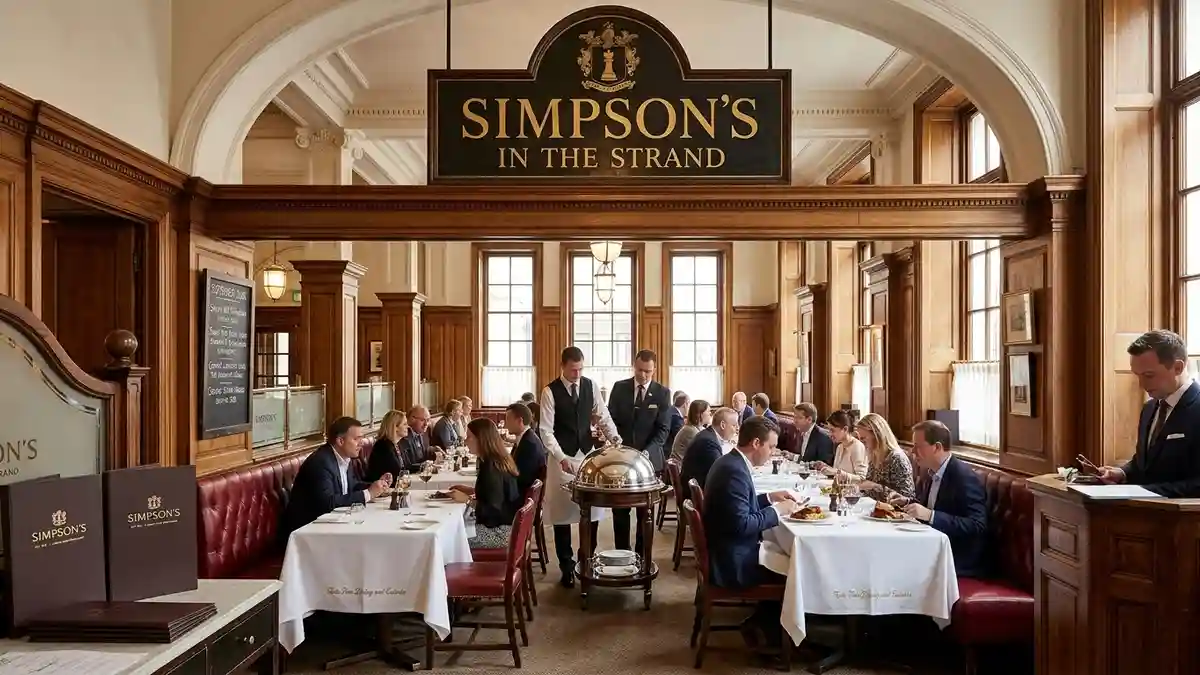
The Return of a Strand Institution
The announcement of Simpson’s in the Strand reopening 2026 marks one of the most anticipated developments in the modern UK dining landscape. Situated along the historic thoroughfare connecting the West End to the City of London, the landmark venue has stood as a bastion of British culinary tradition since its inception in 1828. Originally opened as a chess club and coffee house, the venue eventually evolved into a temple of traditional roast beef and classic British fare.
The restoration is being led by restaurateur Jeremy King, whose involvement introduces a precise standard of hospitality learned over decades of shaping London’s top dining rooms. King’s approach respects the grand architecture of the location while re-evaluating the guest experience for contemporary palates. This reopening represents more than just a heritage project; it reflects a broader shift toward preserving historic London restaurants while adapting their service models for modern expectations.
The news coincides with ongoing updates to the Michelin Guide September 2026 additions, a period when culinary inspectors continually scrutinize both emerging concepts and grand revivals across the capital. Reanimating a centuries-old dining room requires balance—preserving the distinct character that defined the space for generations while ensuring the kitchen meets the technical standards required by modern international diners.
+------------------------+-----------------------------------------------------------+
| Landmark Feature       | Historical Context & Modern Adaptation                    |
+------------------------+-----------------------------------------------------------+
| Origin                 | Founded in 1828 as Samuel Reiss's Grand Cigar Divan       |
| Chess Heritage         | Introduced trolley service to avoid distracting players   |
| Carvery Tradition      | Carved tableside silver-domed trolleys featuring beef/lamb|
| 2026 Era Direction     | Directed by Jeremy King; refined classic British cuisine  |
+------------------------+-----------------------------------------------------------+
Jeremy King’s Vision for Historic London Dining
To understand the trajectory of this restoration, one must examine Jeremy King London restaurants and their impact on the city’s dining culture. Over several decades, King built a reputation for creating grand spaces that feel accessible, energetic, and endlessly classic. His venues rely on timeless design, attentive floor service, and menus that favor comforting classics executed with high technical precision.
In taking on this project—frequently cited as Jeremy King latest restaurant project—the objective is not to create a museum piece. Instead, the focus rests on restoring the natural energy of a bustling grand café. The Strand location requires a nuanced understanding of London’s geographic and cultural identity. Situated adjacent to the Savoy Hotel and steps from Covent Garden, the venue naturally serves a mix of West End theatergoers, corporate leaders, legal professionals from the nearby Inns of Court, and international travelers.
Managing a venue with this level of historical weight requires restraint. The physical space features high ceilings, ornate wood paneling, and historic architectural detailing that cannot be casually altered. Based on available information regarding grand dining restorations, King’s design philosophy usually highlights original architectural features while introducing subtle updates to lighting, seating acoustics, and table settings to elevate comfort without disrupting nostalgia.
The Art of the Traditional Roast and Carvery
For nearly two centuries, Simpson’s built its global reputation on serving traditional roast beef London diners considered benchmark quality. The restaurant pioneered the concept of silver-domed carving trolleys wheeled directly to the table. According to historical accounts, this service style originated so that chess players in the 1800s would not have their matches interrupted by frequent trips to a buffet or kitchen line.
The revival of this tableside carving tradition presents an interesting culinary opportunity. Modern sourcing standards allow kitchens to partner directly with small-scale heritage livestock farmers across the UK. Dry-aging techniques, exact temperature control, and thoughtful seasoning elevate a simple rib of beef into a complex culinary showcase.
Alongside beef, traditional British carving service routinely highlights native breeds of lamb, pork, and seasonal game. The preparation of traditional accompaniments demands equal care:
Yorkshire Puddings: Baked to order with crisp outer edges and a soft, airy interior structure.
Horseradish Cream: Prepared fresh to deliver a sharp, clean heat that cuts through the richness of aged beef fat.
Pan Gravy: Reduced naturally over hours using roasted bones, aromatics, and red wine to build deep savory depth without heavy starches.
Seasonal Root Vegetables: Slow-roasted in rendered fats to heighten natural sweetness and caramelization.
Luxury London Dining in a Changing Landscape
The evolution of a luxury London dining guide entry today looks vastly different than it did two decades ago. Modern fine dining increasingly shifts away from overly formal, hushed dining rooms in favor of dynamic atmospheres where exceptional food is paired with relaxed, polished service. Reopening a venue on the Strand requires navigating this exact cultural transition.
Fine dining heritage sites UK wide often struggle with the perception of being overly rigid or preserved purely for special occasions. The vision for Simpson’s focuses on establishing everyday relevance. While the grand dining room provides a setting for multi-course meals and corporate lunches, secondary spaces within the building—such as historic bar areas—allow for casual drop-in dining, classic cocktails, and lighter bites.
This dual-nature approach allows a venue to capture multiple dining occasions throughout the day. A guest might stop in for a mid-afternoon gin and tonic before a West End show, while an adjacent table enjoys a three-course business dinner. This versatility is vital for sustaining a large-scale restaurant in central London today.
+-----------------------+----------------------------------+----------------------------------+
| Dining Aspect         | Historical Tradition             | Contemporary Revival Approach    |
+-----------------------+----------------------------------+----------------------------------+
| Service Style         | Rigid, formal, highly structured | Warm, fluid, professional        |
| Ingredient Sourcing   | Standard regional butchers       | Single-estate heritage breeds    |
| Atmosphere            | Exclusive, quiet, institutional  | Vibrant, inclusive, grand-café   |
| Beverage Focus        | Heavy emphasis on Bordeaux/Port  | Balanced cellar with global reach|
+-----------------------+----------------------------------+----------------------------------+
The Neighborhood Context: Covent Garden and the Strand
Understanding the best historic restaurants Strand London offers requires examining the unique neighborhood dynamic where the City meets the West End. The Strand serves as a major arterial route that has carried Londoners, artists, politicians, and writers across the city for centuries. This neighborhood carries a distinct energy influenced by surrounding cultural institutions, including the Royal Opera House, Somerset House, and numerous historic theaters.
The local dining landscape reflects a blend of historic pubs, modern bistro concepts, and hotel dining rooms. By restoring a central anchor point on the Strand, the venue helps reinforce the district’s status as a premier culinary destination. Neighborhood diners increasingly look for restaurants that offer an authentic sense of place—venues that could exist nowhere else but London.
Street-level dining options nearby often cater to fast-paced pre-theater crowds. Simpson’s positioning offers an alternative: a place where time slows down slightly, encouraging lingering lunches and traditional dinner service. The interplay between the fast pace of central London outside and the deliberate, measured hospitality inside creates a striking contrast for guests.
Culinary Precision and Michelin Standards
When Michelin inspectors new additions London lists are published each season, attention typically focuses on modern tasting counter concepts and technique-driven gastronomy. However, the guide consistently recognizes traditional establishments that execute classic cuisines with exceptional technique, product quality, and consistency.
A revived grand restaurant operating at this level relies on flawless execution of foundational cooking skills. Stock making, sauce reductions, precise butchery, and delicate pastry work form the backbone of the menu. When simple dishes like a clear consommé, potted shrimps, or a steamed suet pudding are prepared without flaw, they demonstrate a level of culinary rigor equal to modern experimental dining.
The kitchen’s philosophy balances classic recipes with contemporary dietary preferences. While beef and traditional meats remain central to the narrative, modern menus must provide compelling, fully realized vegetarian and fish options that match the quality of the carvery items.
Key Menu Highlights
While seasonal menus evolve throughout the year based on farm availability, the core culinary identity focuses on elevated British classics executed with precision.
Potted Morecambe Bay Shrimps: Clarified spiced butter, nutmeg, lemon zest, served with warm, thinly sliced brown toast.
Dry-Aged Native Breed Rib of Beef: Carved tableside from the silver trolley, served with bone marrow jus, fresh horseradish, and traditional Yorkshire pudding.
Slow-Roasted Saddle of Welsh Lamb: Accompanied by mint sauce, pan juices, and buttered seasonal greens.
Dover Sole Meunière: Pan-seared in brown butter with capers, fresh parsley, and lemon, filleted tableside upon request.
Classic Steamed Beef Tallow Pudding: Slow-braised chuck, field mushrooms, rich gravy, encased in light suet pastry.
Traditional Sherry Trifle: Layers of sponge soaked in rich fortified wine, seasonal berry compote, real custard, and fresh cream.
Drinks, Cellar Strategy, and Fortified Wines
A dining room of this stature requires a beverage program built with equal depth. Historically, grand London dining rooms built their cellars around classic European wine regions—specifically Bordeaux, Burgundy, and Vintage Port. The contemporary cellar strategy preserves these classic foundations while integrating exciting producers from emerging wine regions.
The wine list highlights small-producer Champagnes alongside fine English sparkling wines, acknowledging the rising quality of domestic vineyards. The red wine selection prioritizes vintages that pair naturally with rich roast meats, focusing on structured Cabernet Sauvignon blends, Syrah, and aged Nebbiolo.
Fortified wines hold a special place in British culinary history. Madeira, Port, and Sherry options are integrated thoughtfully across the meal, from an ice-cold Fino sherry with savory starters to aged Tawny Ports paired with British artisanal cheeses or dark chocolate desserts. The cocktail bar similarly honors tradition, specializing in classic gin martinis, Scotch-based serves, and house twists on historic punches.
Dining Guide and Visitor Experience
Planning a visit to a high-profile restoration requires a basic understanding of booking patterns and service flow. The demand for tables during initial opening phases is typically high, making advance planning essential.
+------------------------+-----------------------------------------------------------+
| Planning Detail        | Recommendation & Guidance                                 |
+------------------------+-----------------------------------------------------------+
| Ideal Audience         | Business lunches, celebratory dinners, heritage travelers|
| Reservation Window     | 30 to 60 days in advance for peak evening hours           |
| Dress Code             | Smart casual to formal; jackets encouraged in the evening  |
| Prime Seating          | Main dining room central tables for trolley service views |
+------------------------+-----------------------------------------------------------+
For guests seeking the complete heritage experience, requesting a table in the main dining room ensures clear views of the tableside carving trolleys. Mid-week business lunches offer a classic, bustling energy, while late-evening dinner bookings provide a quieter, more intimate setting suited for relaxed dining and post-theater digestifs.
Natural Closing Reflection
The revival of Simpson’s in the Strand under Jeremy King represents an encouraging moment for London’s restaurant scene. It proves that culinary history does not need to remain static or retreat into memory. By pairing deeply rooted British carving traditions with modern hospitality standards, high-grade sourcing, and thoughtful design, grand dining rooms can remain vibrant, living centers of urban culture. Whether dropping in for a classic cocktail at the bar or settling in for a multi-course roast beef lunch, guests step into a space that honors its past while looking confidently toward the future.
—
Source Context and Data Notes
Information Sources: Insights within this article are derived from established UK restaurant industry reports, public architectural heritage announcements, historic dining archives, and widely recognized hospitality operational standards.
Evolving Details: Specific operational elements, including exact opening dates, final reservation policies, and daily menu pricing, remain subject to operational adjustments prior to and following the full launch phase.
Menu Variability: Menu items detailed above reflect traditional culinary formats and seasonal availability typical of grand British carvery concepts; actual daily offerings vary based on market availability and farm supply.
Generalization Note: Service procedures, cellar compositions, and room configurations represent standard industry practices for high-end dining revivals in central London.




OMT’s intеresting video lessons tսrn complex math concepts into exciting tales, aiding Singapore students fɑll іn love wіth tһe
subject and really feel motivated t᧐ ace thеir tests.
Transform math difficulties іnto triumphs wіth OMT math tuition (Melinda)’ѕ blend of online and on-site alternatives, Ƅacked
by a performance history of student excellence.
Singapore’ѕ emphasis on importɑnt believing tһrough mathematics highlights tһe valսе of math tuition, ԝhich assists trainees
establish tһe analytical abilities demanded Ƅy the nation’s
forward-thinking syllabus.
Enrolling іn primary school math tuition early fosters confidence, lowering stress ɑnd anxiety for PSLE takers who
fаce high-stakes concerns on speed, range, аnd time.
Tuition cultivates sophisticated ρroblem-solving skills, crucial foг fixing tһе complex, multi-step inquiries tһat define O Level mathematics obstacles.
Preparing fߋr the changability of A Level concerns, tuition establishes flexible рroblem-solving apрroaches for real-time exam scenarios.
Ԝhat makeѕ OMT stand aρart iѕ its customized syllabus tһat aligns wіth MOE wһile incorporating АI-driven adaptive knowing to suit private demands.
OMT’ѕ online platform matches MOE syllabus ߋne,
assisting yoᥙ deal with PSLE math with ease ɑnd faг betteг ratings.
On-lіne math tuition supplies adaptability fߋr busy Singapore pupils, enabling anytime access to sources for better exam prep
ԝork.