The London culinary landscape is preparing for one of its most monumental historic revivals in recent memory. The highly anticipated Simpson’s in the Strand reopening 2026 marks the return of a legendary institution that has defined traditional British hospitality for nearly two centuries. Located in the heart of luxury dining Covent Garden, this iconic venue is being brought back to life by acclaimed restaurateur Jeremy King. Known for his masterful handling of London heritage brasseries, King’s involvement ensures that the restoration will honor the past while subtly adapting to the preferences of the modern gourmand. For food enthusiasts, cultural travelers, and those tracking 2026 dining trends, this reopening represents a vital bridge between Edwardian elegance and contemporary culinary excellence.
The return of Simpson’s comes at a time when the global dining community is rediscovering a passion for grand, narrative-rich spaces. Rather than relying on transient design fads, this revival leans heavily into its storied past as a sanctuary for writers, politicians, and chess grandmasters. By focusing on meticulous architectural restoration and a refined culinary philosophy, the project is poised to capture the attention of both international visitors and discerning locals. It stands as a testament to the enduring appeal of the classic British dining room, updated for an era that values authenticity and depth.
Jeremy King and the Art of the Heritage Revival
To understand the significance of this project, one must look at the track record of Jeremy King. As a foundational figure in shaping contemporary London restaurants, King has spent decades perfecting the art of the grand grand brasserie format. His unique ability to breathe fresh vitality into historic spaces without stripping away their soul makes him the ideal custodian for this project. Based on available information, his approach to Simpson’s avoids the trap of turning the venue into a static museum piece, opting instead for a living, breathing social hub.
King’s philosophy centers on the idea that a restaurant must feel as though it has always been there, even after a comprehensive refurbishment. This requires a delicate balance of lighting, acoustic design, and front-of-house showmanship. In a city filled with ultra-modern tasting menus, his focus on comfort, scale, and timeless hospitality provides a refreshing alternative. The revival reinforces a growing shift toward grand-scale dining experiences where the atmosphere is just as compelling as the plate.
Restoring the Historic Grand Divan Dining Room
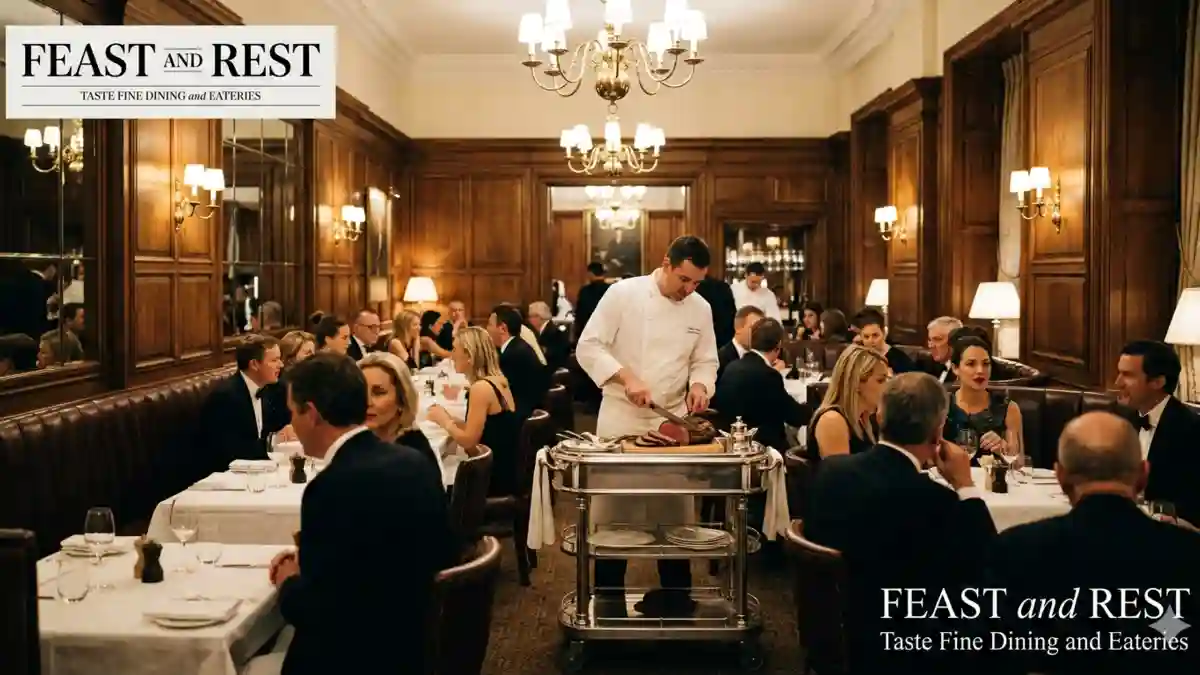
At the heart of the venue is the legendary Grand Divan dining room, a space that once hosted the likes of Charles Dickens, Winston Churchill, and Arthur Conan Doyle. Historically, the room was famous for its high ceilings, rich oak paneling, and the unique arrangement of its seating, which was originally designed to accommodate chess players. The 2026 restoration aims to preserve these essential Edwardian design features while gently modernizing the infrastructure for optimal comfort.
The spatial layout of the Grand Divan is being carefully updated to improve the flow of service while maintaining its signature sense of drama. Guests can expect the return of the deep leather banquettes and the warm, golden illumination that historically gave the room its welcoming glow. This careful preservation ensures that the venue remains one of the best historic restaurants London has to offer, providing a sense of place and history that new builds simply cannot replicate.
+-------------------------------------------------------------+
|               The Grand Divan Design Heritage               |
+----------------------+--------------------------------------+
| Feature              | Preservation Focus                   |
+----------------------+--------------------------------------+
| Oak Paneling         | Deep restoration of 19th-century wood|
| Ceiling Architecture | Structural reinforcement of plaster  |
| Lighting             | Warm, low-glare Edwardian-inspired  |
| Seating Layout       | Classic banquettes with modern comfort|
+----------------------+--------------------------------------+
Reimagining the Grand Divan Dining Room Menu
While the visual elements pay homage to heritage, the culinary direction requires a thoughtful modernization. The upcoming Grand Divan dining room menu is expected to celebrate the foundations of classic British fine dining while utilizing contemporary sourcing and lighter cooking techniques. Historically, Simpson’s was synonymous with the silver carving trolley—a tradition where massive joints of beef and lamb were wheeled directly to the table and sliced to the guest’s exact preference.
According to current details, this theatrical table-side service will remain a cornerstone of the experience, though reimagined with a focus on heritage breeds and sustainable British agriculture. The kitchen will likely balance these rich, celebratory roasts with delicate seasonal starters and refined seafood dishes sourced from regional coastal waters. This ensures the menu appeals to traditionalists while remaining accessible to those seeking a lighter, more modern dinner.
Key Menu Highlights to Anticipate
Tableside Carving Service: Aged Scottish beef and regional lamb, carved to order from restored silver trolleys.
Classic British Game: Seasonal highlights featuring wild venison and native birds, prepared with traditional jus.
Sustainably Sourced Seafood: Potted shrimps, native oysters, and grilled Dover sole celebrating British coastal heritage.
Traditional Puddings: Elevated interpretations of classic Edwardian desserts, focusing on nostalgic comfort.
Luxury Dining in Covent Garden’s Cultural Landscape
The geographic placement of Simpson’s along the Strand positions it uniquely within the broader luxury dining Covent Garden ecosystem. The neighborhood is a vibrant mix of historic theaters, high-end fashion boutiques, and major cultural institutions like the Royal Opera House. The reopening of Simpson’s injects a serious dose of old-world culinary gravity into an area that has recently seen an influx of trend-driven concepts.
For theatergoers and international travelers, the venue offers a sophisticated anchor point on the southern edge of Covent Garden. It bridges the gap between the corporate energy of the City and the creative pulse of the West End. By offering a dining experience that feels distinctly London in its DNA, it provides a sense of cultural continuity that enriches the entire district’s food identity.
The Broader Trend of Classic Edwardian Restaurant Revivals
The Simpson’s in the Strand reopening 2026 is not an isolated event; it reflects a broader macro-trend across the global hospitality industry. Diners are increasingly seeking out classic Edwardian restaurant revivals as an antidote to the minimalist, stripped-back aesthetics that dominated the past decade. There is a palpable hunger for linen tablecloths, attentive silver service, and the sense of occasion that comes with dining in a historic room.
When compared to more intimate, contemporary fine dining spaces, these grand heritage brasseries offer a completely different energy. They are democratic yet exclusive, bustling yet private. The scale of these rooms allows for a diverse mix of clienteles—from business lunches and romantic dinners to multi-generational family celebrations—all coexisting within the same grand acoustic landscape.
Securing British Fine Dining Reservations & Practical Tips
Given the immense anticipation surrounding Jeremy King’s latest venture, securing British fine dining reservations at Simpson’s is expected to be highly competitive upon launch. As currently reported, the restaurant will likely utilize a tiered booking release system, making early planning essential for those wishing to experience the space during its opening months.
To maximize the experience, visitors should consider booking during off-peak hours, such as early weekday evenings or late weekend lunches, when the room’s atmosphere carries a different, more relaxed charm. The dress code is anticipated to honor the smart-casual to formal traditions of the West End, encouraging guests to dress for the occasion without feeling overly restricted.
Ideal Audience: Perfect for celebratory family gatherings, corporate entertaining, and travelers seeking an authentic taste of London’s culinary history.
Value Positioning: Positioned as a premium fine dining experience, where the investment reflects the quality of heritage ingredients and the high ratio of specialized floor staff.
Atmosphere: Grand, theatrical, and steeped in narrative, offering an escape from the frantic pace of the surrounding city.
A Natural Reflection on the Journey Ahead
The revival of Simpson’s in the Strand represents more than just the reopening of a kitchen; it is the restoration of a cultural landmark. In a world that often prioritizes speed and novelty, the return of the Grand Divan reminds us of the power of slow hospitality, deep tradition, and meticulous craft. Under the guidance of Jeremy King, this reborn icon is set to prove that true classic style never fades—it simply waits for the right moment to be rediscovered.
Source Context and Data Notes
Source Material: This editorial profile is constructed using public announcements, London hospitality industry updates, historical architectural records of the Strand, and published interviews regarding Jeremy King’s 2026 portfolio expansion.
Data Limitations: Because specific opening dates, precise menu pricing, and finalized chef appointments remain subject to operational adjustments prior to the official launch, certain culinary details are described using established historical precedents and regional sourcing norms.
Menu Variability: Menus are anticipated to fluctuate in alignment with seasonal British agricultural availability and initial guest feedback during the opening phase.