First Impressions: Stepping Into the Qianmen Sanctuary
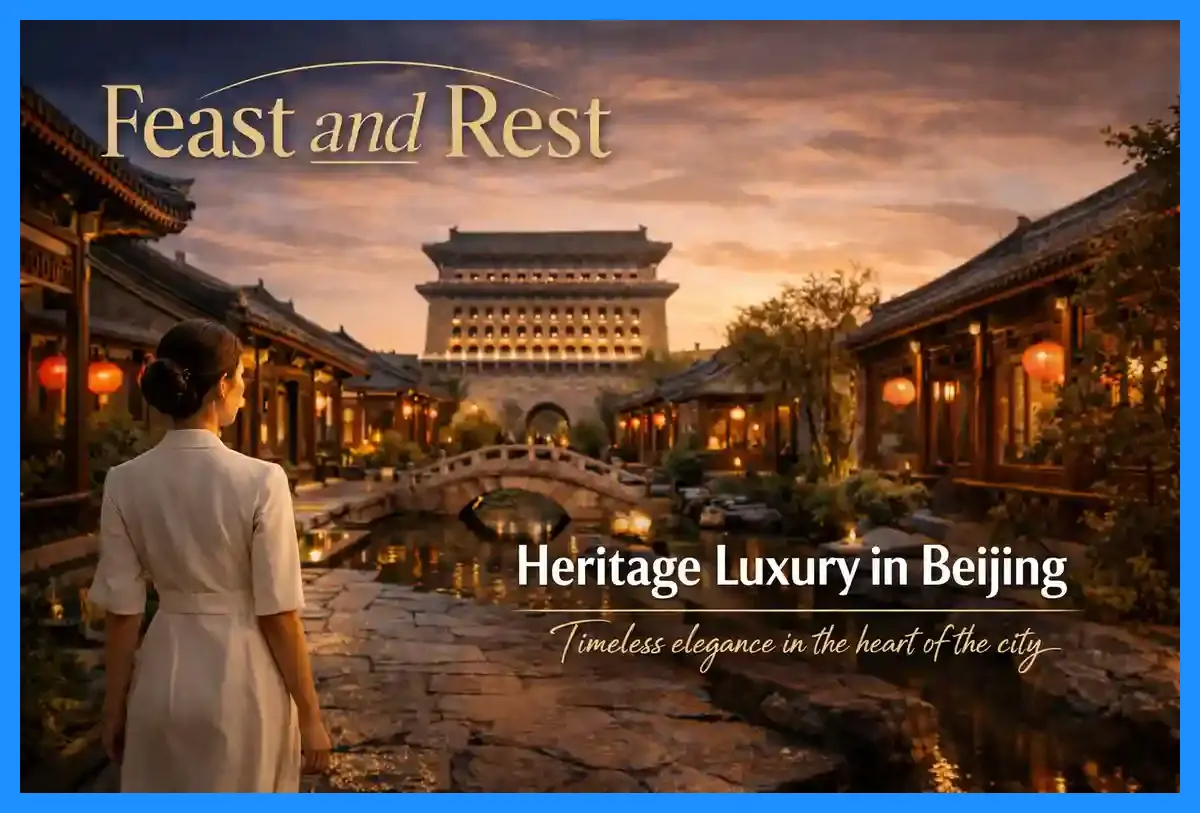
Arriving at the Mandarin Oriental Qianmen feels less like checking into a standard hotel and more like entering a living museum. Located within the historic hutongs of the Qianmen East District, the property is a rare example of a “scattered” hotel. Rather than a single monolithic tower, the accommodations are integrated into a meticulously restored neighborhood of traditional siheyuan (courtyard houses).
As travelers transition from the bustling, wide avenues of central Beijing into the quiet, gray-brick alleys surrounding the hotel, the atmosphere shifts instantly. The scent of incense and the sight of manicured bonsai trees replace the city’s frantic energy. This sanctuary serves as a sophisticated base for cultural explorers, design enthusiasts, and those seeking a deep connection to Beijing’s imperial past. Whether you are a solo traveler looking for a contemplative retreat or a family wanting to experience authentic Chinese architecture without sacrificing modern comfort, this property offers a profound sense of place.
The hotel’s integration into the local fabric means that the “lobby” experience is understated and intimate. It prioritizes privacy and a residential feel, ensuring that the transition from the historic streets to your private quarters is seamless and serene. This is luxury accommodation redefined through the lens of preservation and heritage.
The Essence of Mandarin Oriental Qianmen: A Hutong Renaissance
The architectural philosophy of the Mandarin Oriental Qianmen centers on the concept of “adaptive reuse.” The property consists of several traditional courtyard dwellings that have been painstakingly restored using authentic Ming and Qing dynasty techniques. However, the interiors tell a different story—one of contemporary refinement and subtle modernity.
Architectural Harmony and Design
The design avoids the clichés of “orientalism,” instead opting for a sophisticated blend of textures. You will find:
Traditional Wood Joinery: Intricate beam work and floral carvings that honor ancient Chinese carpentry.
Contemporary Silk and Stone: Soft furnishings in muted tones of celadon and vermillion, paired with sleek marble and dark woods.
Open-Air Flow: The layout encourages a constant dialogue between indoor spaces and the private courtyards, which are often centered around a single, striking tree or a minimalist water feature.
Sustainability and Craftsmanship
A key highlight of the property is its commitment to cultural sustainability. By revitalizing these historic structures, the hotel has helped preserve the architectural integrity of the Qianmen district, which was once the commercial heart of old Beijing. Local artisans were employed to ensure that the brickwork and roof tiles matched the original aesthetic of the hutongs. Furthermore, the hotel utilizes energy-efficient climate control systems that are cleverly hidden within the traditional structures to maintain a comfortable environment without disrupting the visual heritage.

Comfort in Every Corner: Rooms, Wellness, and Dining
The accommodations at Mandarin Oriental Qianmen are exclusively suites and private villas, reflecting the spacious nature of traditional courtyard living. Because each building is unique, no two rooms are exactly alike, providing a bespoke experience for every guest.
The Courtyard Suites
The rooms are designed to feel like private residences. High ceilings with exposed wooden rafters create a sense of vertical space, while large floor-to-ceiling glass doors allow natural light to flood the interiors.
Technology: Discreetly integrated “smart home” features allow guests to control lighting and temperature via bedside panels.
Bathrooms: Often featuring oversized soaking tubs and walk-in rain showers, these spaces serve as private spas.
Outdoor Space: Most suites include a private or semi-private courtyard, ideal for morning tea or evening reflection.
Wellness and Recreation
The wellness facilities are subterranean, carved out beneath the historic structures to provide a quiet, cocoon-like atmosphere. The spa focuses on traditional Chinese medicine (TCM) inspired treatments, balancing the body’s qi after a day of walking through the city. The indoor swimming pool is a highlight, often featuring dramatic lighting that mimics the shifting patterns of the sun through a courtyard canopy.
Refined Dining Spaces
Dining here is an exercise in atmospheric storytelling. The signature restaurants are housed within restored halls, offering:
Fine Dining: Reimagined regional Chinese cuisine that emphasizes seasonal ingredients from across the country.
The Tea Lounge: A central feature where guests can partake in elaborate tea ceremonies, exploring the nuances of pu-erh and oolong.
The Bar: A sophisticated, dimly lit space focusing on craft cocktails and a curated selection of international spirits, perfect for a quiet nightcap.
Perfectly Positioned: Exploring the Heart of Old Beijing Mandarin Oriental Qianmen
The location of the Mandarin Oriental Qianmen is perhaps its greatest luxury. It is situated just southeast of Tiananmen Square and the Forbidden City, placing guests within walking distance of China’s most iconic landmarks.
Neighborhood Character and Walkability
The Qianmen district is a fascinating mix of the old and the new. To the west lies the revitalized Dashilan area, famous for its centuries-old shops selling traditional silks and medicines. To the east, the hutongs are quieter and more residential, offering a glimpse into the daily lives of Beijing’s residents.
Cultural Proximity: A fifteen-minute walk leads you to the gates of the Temple of Heaven, a UNESCO World Heritage site known for its stunning circular architecture and vibrant morning park culture.
Accessibility: The hotel is well-connected by public transport, with nearby subway stations providing easy access to the Sanlitun embassy district and the 798 Art District.
Staying here allows travelers to bypass the generic skyscraper landscape of the central business district in favor of a textured, pedestrian-friendly environment. It is the best area to stay in Beijing for those who want to experience the city’s soul rather than just its skyline.
Traveler Insights: Practical Tips for Your Stay Mandarin Oriental Qianmen
To make the most of a visit to this unique property, consider the following observations from experienced travelers:
Seasonal Selection: Beijing is beautiful but extreme. The “Golden Autumn” (September to October) offers crisp air and stunning foliage, making the open-air courtyards particularly enjoyable. Spring is also pleasant, though travelers should be aware of occasional sandstorms.
Exploring the Alleys: Don’t be afraid to get lost in the surrounding hutongs. Some of Beijing’s best boutique coffee shops and hidden art galleries are tucked away in unmarked brick buildings just minutes from the hotel entrance.
Room Preference: If you value absolute silence, request a suite further back from the main hutong thoroughfares. While the area is generally quiet, the northern edges of the district can see more pedestrian traffic.
Cultural Concierge: Utilize the hotel’s local knowledge. They can often arrange specialized tours, such as architectural walks or private visits to nearby artisan workshops, which are difficult to find independently.
Accessibility Note: While the hotel has been modernized, the historic nature of hutong alleys means some paths can be narrow. The hotel itself is fully accessible, but the immediate surrounding streets may require a bit more navigation for those with limited mobility.
Why Mandarin Oriental Qianmen Fits Your Journey
The Mandarin Oriental Qianmen is more than just a place to sleep; it is a bridge between the vanished world of imperial Beijing and the sophisticated demands of the modern traveler. It is ideally suited for those who appreciate architectural integrity and a slower, more deliberate pace of travel.
While travelers seeking high-energy social scenes or the glitz of a high-rise hotel might find the atmosphere here too hushed, those looking for “rest” in the truest sense will find it in abundance. The property honors the silence of the courtyard and the history of the stone, offering a profound sense of calm in one of the world’s most energetic megacities. As you plan your next journey to the Middle Kingdom, this hotel stands as a thoughtful choice for a stay that is both culturally enriching and deeply restorative.