
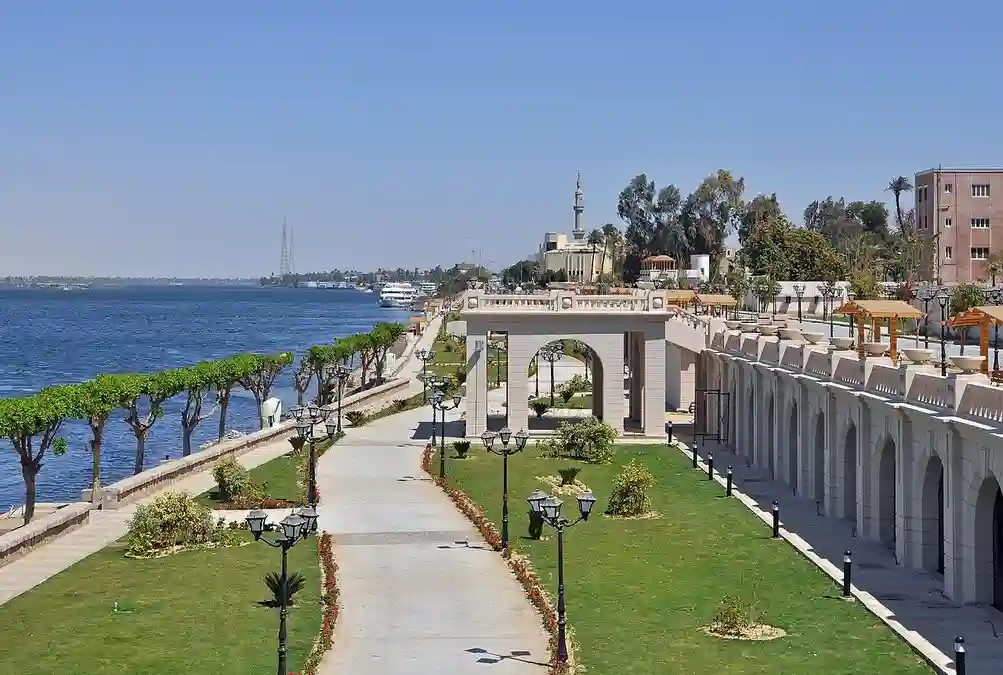
Nestled on the banks of the Nile in Upper Egypt, Luxor is often called the world’s greatest open-air museum. Once the ancient city of Thebes, capital of the New Kingdom pharaohs, Luxor today blends jaw-dropping heritage sites with the gentle rhythm of the river that has sustained Egypt for millennia. From the colossal statues of Karnak to secret tombs glowing with 3,000-year-old color, Luxor delivers an unmatched journey into history. For anyone passionate about cultural tourism and top travel destinations, Luxor is simply unmissable.
A Quick Overview of Luxor’s History and Unique Vibe
Luxor sits roughly 650 km south of Cairo and is neatly divided by the Nile into the East Bank (City of the Living) and West Bank (City of the Dead). The East Bank pulses with life—hotels, restaurants, bustling souks, and the magnificent temple complexes of Luxor and Karnak. Across the river, the West Bank hides legendary necropolises beneath dramatic limestone cliffs.
What makes Luxor special among tourist spots worldwide is the sheer concentration of perfectly preserved monuments. Nowhere else can you walk through avenues of sphinxes at sunrise, descend into pharaohs’ tombs at noon, and watch the sun set over the Valley of the Kings—all in a single day.
Iconic Landmarks and Hidden Gems in Luxor
No Luxor travel guide would be complete without these legendary sites:
Karnak Temple Complex The largest religious building ever constructed, Karnak’s forest of 134 towering columns in the Hypostyle Hall still leaves visitors speechless. Don’t miss the evening sound-and-light show for extra drama.
Luxor Temple Beautifully illuminated at night, this elegant temple in the heart of downtown Luxor once connected to Karnak via the 3-km Avenue of Sphinxes (now fully restored and walkable).
Valley of the Kings Home to 63 royal tombs, including Tutankhamun’s gold-laden resting place. Early morning visits beat the heat and crowds—tickets allow entry to three tombs plus an extra fee for Tutankhamun or Seti I.
Hidden Gems Worth Seeking Out
- Medinet Habu: Ramses III’s mortuary temple boasts some of the best-preserved colored reliefs in Egypt and far fewer visitors.
- Deir el-Medina: The beautifully decorated tombs of the artisans who built the royal tombs offer an intimate glimpse into everyday ancient life.
- Tombs of the Nobles: Less crowded than the Valley of the Kings, yet often more colorful and full of scenes of daily life.
- Ramesseum: Ramses II’s fallen colossus inspired Shelley’s “Ozymandias.”
Cultural Experiences and Global Festivals In Luxor
Luxor isn’t just stone and sand—it’s a living culture. Ride a traditional felucca (sailboat) at sunset, haggle for spices in the old souk, or sip hibiscus tea while watching life unfold along the Corniche.
Key cultural highlights include:
- Abu el-Haggag Moulid (usually February/March): A vibrant five-day festival honoring Luxor’s Sufi saint with parades, horse races, and stick-dancing.
- Hot-Air Balloon Rides over the West Bank: Floating above temples and sugarcane fields at dawn is a bucket-list cultural experience.
- Traditional Nubian Villages: A short drive or boat ride south brings you to brightly painted Nubian houses where locals serve tea and share stories.
These experiences make Luxor one of the most rewarding destinations for authentic cultural tourism.
Insider Tips for the Perfect Visit
Best Time to Visit November to February offers pleasant 20–25°C days. Avoid summer (May–September) when temperatures regularly exceed 40°C.

Suggested Travel Itineraries
- 3-Day Highlights: Day 1 East Bank, Day 2 West Bank classics (Valley of the Kings, Hatshepsut Temple, Medinet Habu), Day 3 hot-air balloon + hidden gems.
- 5-Day Deep Dive: Add a felucca trip to Banana Island, a cooking class, and a day trip to Dendera or Esna temples.
Local Dining Try koshary, hawawshi, and molasses-drenched kunafa at family-run spots like Sofra or El Kababgy. For upscale Nile views, the 1886 Restaurant at Sofitel Winter Palace is iconic.
Getting Around Taxis and calèches (horse carriages) are plentiful, but hiring a private driver/guide for the West Bank saves time and adds context.
Few top travel destinations deliver the sheer awe of Luxor. Here, history isn’t locked behind glass—it surrounds you, painted in vivid color, whispering across millennia. Whether you’re marveling at sunrise over Karnak, drifting down the Nile in a felucca, or standing inside a pharaoh’s tomb, Luxor turns every visitor into a time traveler.
Start planning your adventure today. The temples have waited 3,000 years—they can wait a little longer, but why should you?





Hey there! Spent a bit of time on vn88io lately. Gotta admit, I was a bit skeptical at first, but overall I found it to be a solid platform. The game selection’s pretty good, especially if you’re into slots. Withdrawal times could be a little faster, but not terrible. Check them out here vn88io.