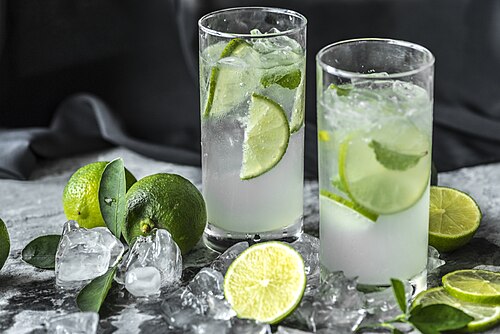
Caipirinha, the quintessential Brazilian craft cocktail, captures the essence of tropical vibrancy and laid-back celebration. This refreshing mix of lime, sugar, and cachaça—a sugarcane spirit—has become a symbol of local drink traditions, inviting travelers to immerse themselves in Brazil’s lively culture. Whether you’re wandering the streets of Rio de Janeiro or dreaming of Carnival festivities, trying a Caipirinha is a must for any foodie travel enthusiast seeking authentic local beverages. Its tangy, sweet profile not only quenches thirst on hot days but also serves as a gateway to culinary tourism, connecting sippers to the heart of Brazilian heritage. In this guide, we’ll delve into the Caipirinha recipe, its origins, and why it’s an essential experience for enhancing your travel adventures.
Cultural Significance Of Caipirinha
The cultural significance of Caipirinha runs deep in Brazil’s social fabric, evolving from humble beginnings to a national icon that represents joy, community, and resilience. Originating in the early 20th century in the rural areas of São Paulo, Caipirinha was initially crafted as a medicinal remedy for the Spanish flu, blending cachaça with lime and honey to combat illness. Over time, it transformed into a beloved social lubricant, symbolizing the fusion of indigenous, African, and Portuguese influences in Brazilian cuisine. As a regional specialty, it’s tied to local drink traditions, often enjoyed during family gatherings, beach outings, and festivals like Carnival, where it fuels the rhythmic samba dances and vibrant parades.
In the broader scope of culinary tourism, Caipirinha highlights Brazil’s agricultural prowess, particularly its sugarcane production, which forms the base of cachaça. This spirit, distilled from fermented sugarcane juice, distinguishes Caipirinha from other craft cocktails like the mojito, emphasizing artisanal methods passed down through generations. For travelers, sipping Caipirinha isn’t just about the taste—it’s about connecting with local beverages that tell stories of colonialism, independence, and cultural fusion. In regions like Bahia or Minas Gerais, variations incorporate fruits like passionfruit or pineapple, showcasing how local drink traditions adapt to seasonal ingredients. This adaptability makes Caipirinha a staple in culinary tourism, drawing visitors to explore Brazil’s diverse terroirs and fostering a sense of global unity through shared sips.
Beyond Brazil, Caipirinha has gained international acclaim, recognized by the International Bartenders Association as an official contemporary classic. Its rise in popularity during the 2016 Rio Olympics introduced it to a global audience, reinforcing its role as a bridge between cultures. For foodie travel lovers, understanding Caipirinha’s cultural role means appreciating how local beverages like this one enhance social bonds, from impromptu street parties to upscale bars. It’s a drink that embodies “joie de vivre,” or in Portuguese, “alegria de viver,” making it an enduring emblem of Brazilian warmth and hospitality.
Recipe or Beverage Details Of Caipirinha
At its core, Caipirinha is a simple yet elegant craft cocktail that relies on fresh ingredients and straightforward preparation, making it accessible for home mixologists and travelers alike. The authentic Caipirinha recipe calls for just four components: fresh limes, granulated sugar, cachaça, and crushed ice. Start by washing two limes and cutting them into wedges, then place them in a sturdy glass or old-fashioned tumbler. Add two tablespoons of sugar—white or demerara for a richer flavor—and muddle gently to release the lime’s juices and essential oils, creating a zesty base that balances sweetness and acidity.
Next, pour in about 50-60 milliliters of cachaça, a potent spirit with notes of grass and fruit, and stir to dissolve the sugar. Top with plenty of crushed ice, which chills the drink and dilutes it slightly for smoothness. Give it a final stir, and garnish with a lime wheel for visual appeal. This Caipirinha recipe yields one serving and takes mere minutes, embodying the no-fuss ethos of Brazilian local drink traditions. For those preferring non-alcoholic recipes, a delightful alternative replaces cachaça with ginger ale or tonic water, maintaining the refreshing tang while making it family-friendly—perfect for mocktail enthusiasts exploring artisanal coffee-inspired creativity in beverages.
What sets Caipirinha apart in the world of craft cocktails is its emphasis on quality ingredients. Opt for artisanal cachaça from small producers in Brazil’s interior for an authentic taste, as these often carry subtle flavors from wooden barrel aging. Variations abound: try a “caipifruta” with added fruits like strawberries or kiwi for a tropical twist, or experiment with herbs like mint for a hybrid reminiscent of other local beverages. In terms of preparation tips, always use fresh limes—never bottled juice—to preserve the bright, citrusy punch. This attention to detail elevates the drink from ordinary to extraordinary, aligning with foodie travel pursuits where authenticity reigns supreme. Whether shaken or built in the glass, the Caipirinha recipe invites creativity while honoring its roots in simple, sustainable mixing.
For non-alcoholic recipes fans, the virgin Caipirinha shines as a versatile option, incorporating elements like fresh juices or even artisanal coffee infusions for a caffeinated kick. Imagine blending cold-brew coffee with lime and sugar for a morning pick-me-up that nods to Brazil’s coffee heritage. These adaptations ensure Caipirinha remains inclusive, appealing to diverse palates in culinary tourism. Overall, mastering this beverage details the joy of hands-on creation, turning any gathering into a mini Brazilian fiesta.
Travel Connection Of Caipirinha
Caipirinha’s prominence in top travel destinations makes it a star of culinary tourism, particularly in Brazil where it’s woven into the fabric of daily life and special events. Rio de Janeiro stands out as the ultimate hub, with its Copacabana and Ipanema beaches lined with kiosks serving the best Caipirinha in Brazil. Travelers can sip while watching volleyball games or sunset views, immersing in local drink traditions that blend relaxation with excitement. Beyond the beaches, explore Rio’s historic Lapa district, where botecos (local bars) offer authentic versions alongside samba music, enhancing the sensory experience of foodie travel.
Venturing further, São Paulo’s vibrant bar scene showcases innovative craft cocktails featuring Caipirinha twists, often at speakeasies or rooftop lounges that attract global nomads. For a deeper dive into culinary tourism with Caipirinha, head to Salvador in Bahia, where the drink pairs with Afro-Brazilian festivals like the Lavagem do Bonfim, celebrating cultural heritage through sips and dances. The Amazon region introduces unique variations using local fruits, tying into eco-tourism adventures where visitors learn about sustainable sugarcane farming.
Internationally, destinations like Lisbon in Portugal echo Caipirinha’s roots due to colonial ties, with bars serving Brazilian-inspired local beverages. In the U.S., cities like Miami or New York host Brazilian festivals where Caipirinha flows freely, bridging continents through shared culinary experiences. These spots highlight how Caipirinha fosters connections, from street vendors in Recife to upscale resorts in Fernando de Noronha. For travelers, incorporating Caipirinha into itineraries means discovering hidden gems—like a caipirinha-making workshop in Paraty—that enrich foodie travel with hands-on cultural immersion.
Insider Tips
For foodies eager to elevate their Caipirinha experience, insider tips can transform a simple sip into a memorable highlight of culinary tourism. Start by seeking out the best Caipirinha in Brazil at traditional botecos rather than touristy spots; places like Bar da Cachaça in Rio offer authentic vibes and expert muddling techniques. Pair it with Brazilian staples like feijoada (a hearty bean stew) or pastel (fried pastries) for a balanced meal that complements the drink’s acidity, enhancing local drink traditions.
When crafting your own Caipirinha recipe at home or abroad, use organic limes and experiment with sugar types—turbinado adds a caramel note perfect for craft cocktails. For non-alcoholic recipes, infuse with herbs like basil for an herbaceous twist, ideal for daytime sipping during foodie travel excursions. Attend cultural events such as Rio’s Carnival or São Paulo’s Festa Junina, where Caipirinha flows amid fireworks and folk dances, providing immersive insights into Brazilian festivities.
Sustainability matters: Choose cachaça from ethical producers to support local communities, aligning with conscious culinary tourism. If traveling with groups, opt for shared pitchers to foster camaraderie without excess. For variety, explore “caipisake” in Japanese-Brazilian fusion spots, blending sake with Caipirinha elements. These tips ensure your journey with local beverages like Caipirinha is both delicious and respectful, inspiring endless foodie travel stories.
In summary, Caipirinha stands as a vibrant testament to Brazil’s rich cultural tapestry, offering travelers a refreshing entry into local drink traditions and craft cocktails. From its historical origins as a remedy to its starring role in festivals and beaches, this beverage invites exploration of flavors that transcend borders. Whether mixing a classic Caipirinha recipe or enjoying a non-alcoholic alternative, it enhances culinary tourism by connecting sips to stories of heritage and community. Embrace the spirit of foodie travel—venture out, taste the tang of lime and cachaça, and let Caipirinha inspire your next adventure in discovering the world’s diverse local beverages. Your culinary journey awaits, one sip at a time.