As the sun dips low over Colombo’s bustling streets, the Old Dutch Hospital complex comes alive with a gentle hum of activity. Approaching Ministry of Crab, visitors are greeted by the restored facade of a 400-year-old building, its colonial architecture whispering tales of bygone eras. Inside, the space invites diners to settle into an experience centered on fresh seafood, where the focus remains firmly on the natural bounty of Sri Lanka’s waters. This restaurant, established in 2011, emerged as a culinary homecoming for the country’s legendary mud crabs—creatures long celebrated abroad but now honored in their homeland through thoughtful preparations.
Ministry of Crab appeals to those who appreciate seafood-driven meals that blend simplicity with depth. Food adventurers drawn to innovative takes on traditional ingredients find much to savor here, as do couples or small groups looking for a memorable evening centered on shared plates. Families exploring Colombo’s dining scene might enjoy the hands-on approach to eating, which encourages a tactile connection to the food. The cuisine style draws from Sri Lankan roots while incorporating subtle Japanese and Mediterranean influences, resulting in dishes that highlight the inherent qualities of each ingredient without unnecessary embellishments.
In the broader context of fine dining in Colombo, Ministry of Crab positions itself as a spot where travelers can pause and reflect on the island’s maritime heritage. Its location in a historic precinct adds layers to the visit, making it more than just a meal—it’s an immersion into the cultural fabric of the destination. For those planning foodie travel in Sri Lanka, this establishment offers a window into how local seafood can elevate everyday exploration. Whether arriving after a day of sightseeing or as part of a broader culinary journey, diners often leave with a renewed appreciation for the subtle interplay of flavors that define Sri Lankan coastal fare.
The restaurant’s philosophy underscores respect for seasonal availability and wild-caught sources, aligning with a growing interest in mindful eating among global travelers. This review delves into the elements that make Ministry of Crab a noteworthy addition to any itinerary, from its atmospheric setting to the menu’s focus on crab as the star. As one of the best restaurants in Colombo for seafood enthusiasts, it provides a balanced, unhurried dining option that complements the city’s dynamic mix of history and modernity.
The Ambiance of Ministry of Crab: Historic Charm Meets Seafood Focus
The interior of Ministry of Crab reflects its setting within the restored Old Dutch Hospital, a structure dating back to 1681. Original floors and walls preserve the building’s Dutch colonial character, creating an environment that feels both timeless and inviting. Diners often note the warm lighting and open layout, which foster a sense of communal enjoyment without overcrowding.
This ambiance suits those seeking a blend of casual elegance and historical intrigue. The space accommodates various group sizes, with seating arrangements that encourage conversation over shared dishes. Subtle design elements, such as exposed brick and wooden accents, enhance the rustic yet refined feel, making it a fitting backdrop for savoring seafood.
Founded by chef Dharshan Munidasa alongside Sri Lankan cricket legends Mahela Jayawardene and Kumar Sangakkara, the restaurant draws on Munidasa’s background in Japanese culinary techniques. His influence is evident in the precise handling of ingredients, emphasizing freshness and minimal intervention. This approach stems from a commitment to showcasing Sri Lanka’s natural resources, turning the venue into a space where history and innovation coexist.
Sustainability plays a key role in the overall experience. The no-freezer policy ensures that seafood arrives directly from local waters, supporting eco-friendly practices like low food-mile sourcing. Such elements contribute to an atmosphere that feels grounded in environmental respect, appealing to travelers mindful of their impact.
For those exploring culinary hotspots in Colombo, the setting provides a serene contrast to the city’s lively streets. The preserved architecture not only adds aesthetic value but also ties into broader narratives of urban rejuvenation in post-conflict Sri Lanka, where historic sites like this one symbolize progress.
Signature Tastes: Menu Highlights and Standout Dishes at Ministry of Crab
At the core of Ministry of Crab lies a menu dedicated to Sri Lankan mud crabs, sourced fresh from local lagoons and prepared to highlight their natural sweetness and texture. These crabs come in varying sizes, allowing diners to select based on preference, with preparations that blend local traditions with subtle international notes.
Key standout dishes include the Garlic Chilli Crab, where mud crab is cooked with garlic and chillies for a balanced heat that complements the meat’s delicate flavor. Another highlight is the Pepper Crab, infused with a dashi-based sauce that draws on Japanese elements for a umami-rich profile. These methods ensure the crab remains the focal point, enhanced by fresh herbs and spices without overpowering additives.
The menu extends beyond crabs to include freshwater prawns, available in multiple sizes and often prepared similarly—grilled or in flavorful sauces that emphasize their firm texture. Clams and oysters round out the offerings, providing lighter options that showcase the purity of Sri Lankan seafood. All items adhere to a philosophy of no MSG or artificial enhancements, relying instead on the quality of wild-caught ingredients.
Ingredient sourcing ties directly to cultural ties, with mud crabs representing a staple of Sri Lankan coastal life. The preparations reflect influences from Mediterranean simplicity and Japanese precision, creating memorable bites that linger through their thoughtful balance.
For variety, the menu structure encourages sharing, with sides like baked accompaniments or simple greens to pair with the mains. This format suits those interested in exploring multiple flavors in one sitting, making it ideal for foodies delving into Colombo’s seafood scene.
- Garlic Chilli Crab: Features fresh mud crab in a sauce of garlic and mild chillies, offering a harmonious blend of spice and sweetness.
- Pepper Crab: Prepared with a dashi-infused pepper sauce, providing depth without heaviness.
- Baked Crab: A straightforward option that lets the crab’s natural qualities shine through gentle seasoning.
- Freshwater Prawns: Grilled or sauced, these add a contrasting texture to crab-focused meals.
- Clams and Oysters: Served fresh, highlighting the clean taste of local waters.
This focus on quality over quantity makes the cuisine a thoughtful representation of Sri Lanka’s maritime bounty, appealing to those seeking authentic, ingredient-driven experiences.
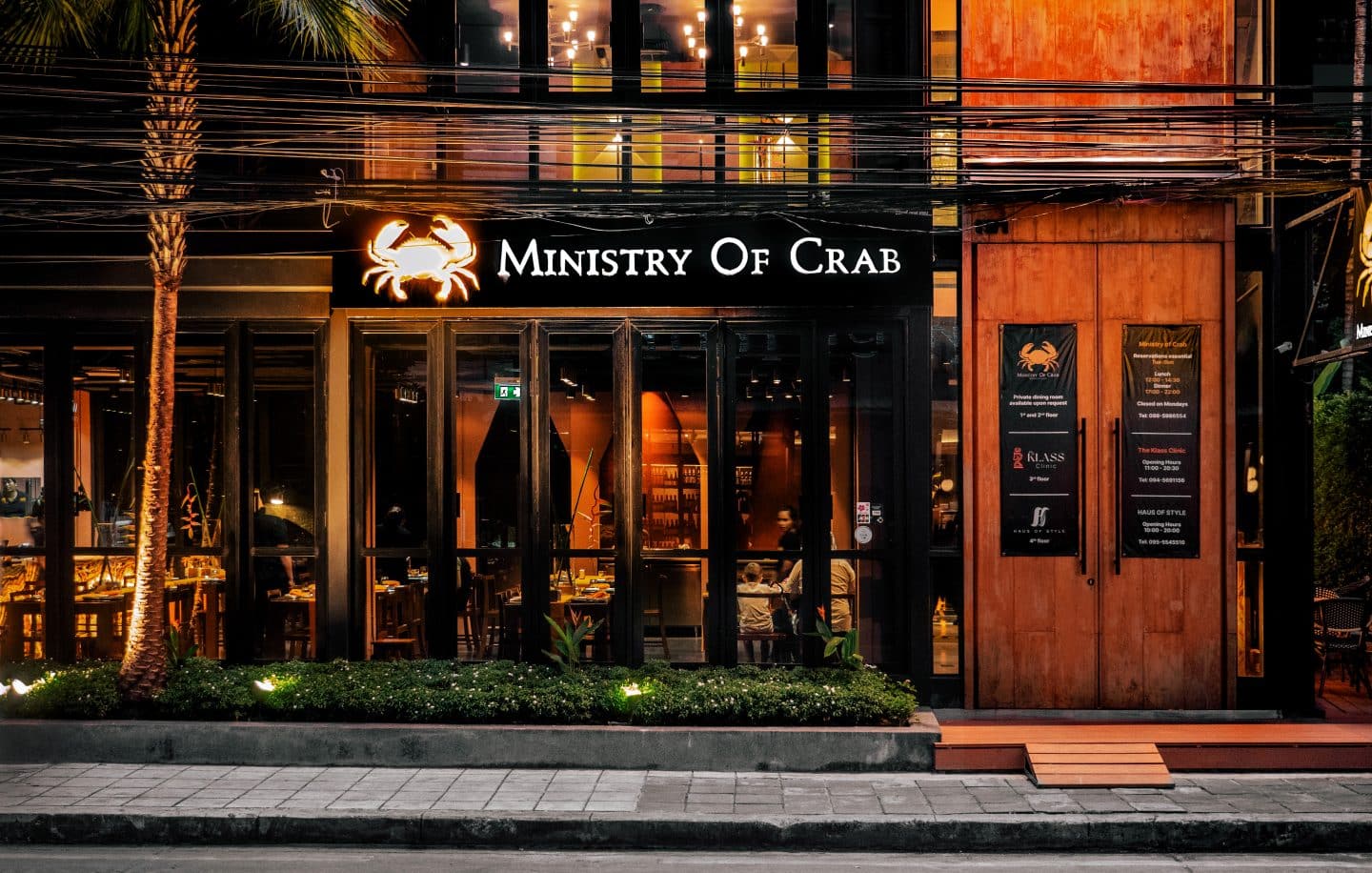
A Culinary Anchor: Colombo’s Historic Heart
Ministry of Crab anchors itself in Colombo Fort’s Old Dutch Hospital precinct, a revitalized area blending colonial history with modern leisure. This location places it amid walkable streets lined with boutiques and cafes, making it accessible for travelers navigating the city’s core.
The neighborhood’s character, with its mix of government buildings and emerging cultural spots, positions the restaurant as a natural stop after exploring nearby landmarks like the Colombo National Museum or the vibrant Pettah Market. Proximity to these attractions enhances its appeal for those combining dining with sightseeing, allowing a seamless transition from cultural immersion to flavorful respite.
In the context of things to do near Ministry of Crab, the surrounding area offers opportunities to wander through historic arcades or visit seaside promenades like Galle Face Green, just a short distance away. This integration elevates the travel experience, as dining here becomes part of a larger narrative about Colombo’s evolution from a trading port to a contemporary destination.
Accessibility features, such as ground-level entry in the restored complex, make it welcoming for a range of visitors. The site’s role in urban renewal underscores how places like this contribute to Sri Lanka’s tourism landscape, drawing food enthusiasts to explore beyond typical beach locales.
For foodie spots in Colombo, Ministry of Crab serves as a gateway to understanding the island’s seafood traditions, where local markets supply the fresh catches that define its menu. This connection fosters a deeper appreciation for how dining can reflect a destination’s environmental and cultural rhythms.
Diner Notes:
To make the most of a visit to Ministry of Crab, consider these traveler-focused insights drawn from general observations and public feedback:
- Optimal Visiting Times: Aim for evenings when the historic setting feels most atmospheric under soft lighting, or lunch for a lighter crowd. Seasonal considerations include visiting during drier months (December to March) when seafood availability peaks due to favorable weather patterns affecting catches.
- Prioritizing Menu Styles: Focus on crab preparations like Garlic Chilli or Pepper for a signature experience, or opt for prawns if seeking variety in textures. Sharing multiple smaller portions allows sampling the range of flavors without overwhelming a single sitting.
- Complementary Nearby Spots: Pair the meal with a stroll to Pettah Market for fresh produce insights, or explore Galle Face Green for ocean views that echo the seafood theme. Cultural sites like the Gangaramaya Temple nearby offer a balanced day of exploration.
- Best Suited For: Ideal for seafood lovers and those interested in hands-on dining with specialized utensils for cracking shells. It may feel less aligned for quick, casual bites or those preferring non-seafood options, as the menu centers heavily on crustaceans.
- Sustainability and Accessibility Aspects: Appreciate the local sourcing and no-freezer approach, which supports eco-conscious travel. The venue’s historic layout includes features like wide entrances, though uneven floors from preserved elements warrant awareness for mobility needs.
These notes aim to enhance planning for foodie travel in Colombo, ensuring a visit aligns with personal preferences.

Why Ministry of Crab Enhances Your Sri Lankan Culinary Journey
Ministry of Crab emerges as a defining spot for those drawn to seafood that captures the essence of Sri Lanka’s coastal heritage. Its focus on fresh mud crabs, prepared with a nod to local and international influences, offers diners a chance to engage deeply with flavors that reflect the island’s clean oceans and wild catches. The historic ambiance in the Old Dutch Hospital adds a layer of cultural depth, making each visit a thoughtful pause in the rhythm of travel.
This restaurant suits food enthusiasts eager to explore innovative yet grounded cuisine, as well as travelers seeking to integrate dining with Colombo’s historic narrative. Its commitment to sustainability through local sourcing and fresh practices resonates with those prioritizing mindful experiences, while the menu’s emphasis on shared, tactile eating fosters memorable moments.
In the landscape of best restaurants in Colombo, Ministry of Crab stands out for its role in celebrating underappreciated local gems like mud crabs and freshwater prawns. It invites visitors to envision weaving such spots into their journeys, perhaps after market visits or landmark tours, to build a fuller picture of Sri Lankan gastronomy.
Ultimately, places like this remind us how fine dining in destinations can serve as a bridge to cultural understanding. For anyone charting a path through Colombo’s culinary hotspots, Ministry of Crab provides a serene anchor, encouraging a lingering appreciation for the simple joys of fresh, well-handled seafood amid travel’s discoveries.