The Art of Floating: A New Definition of Hospitality
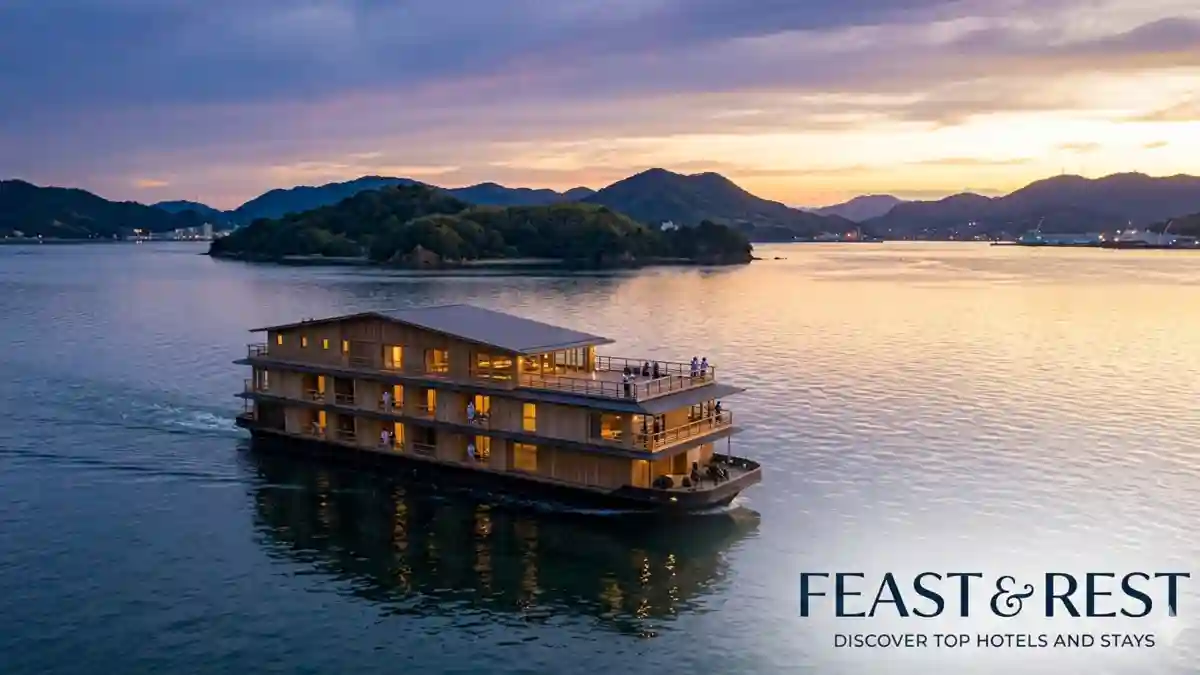
In the world of high-end travel, the boundaries between a cruise and a traditional hotel stay are often sharply drawn. Yet, off the coast of Onomichi in Hiroshima Prefecture, a singular vessel is quietly redefining what a luxury stay can be. Known as guntû, this is not a cruise ship in the traditional sense; it is a floating ryokan that drifts with the rhythm of the tides across the Seto Inland Sea.
For the traveler seeking a departure from the frenetic pace of Japan’s metropolitan hubs, this experience offers a meditative retreat. Unlike the massive cruise liners that traverse the oceans, guntû is an intimate, 19-suite sanctuary that feels more like a private villa adrift on the water. It is a place where the horizon is your only wallpaper, and the gentle lapping of waves against the hull serves as the soundtrack to your morning meditation.
As we head into the 2026 travel season, the desire for “slow travel”—trips that prioritize immersion, local connection, and silence—has never been higher. This floating hotel serves as the perfect case study for this trend, blending the ancient Japanese values of omotenashi (wholehearted hospitality) with a contemporary, minimalist aesthetic that allows the surrounding nature to take center stage.
The Serenity of the Seto Inland Sea
The Seto Inland Sea, or Setouchi, is a region defined by its mild climate, calm waters, and a scattering of over 700 islands. It has long been a secret corridor for poets, traders, and those seeking respite from the mainland. By basing your journey here, you are entering a landscape that feels perpetually suspended in time.
Departing from the Bella Vista Marina in Onomichi, the vessel sets a course that varies by season and sailing route, ensuring that no two voyages are ever truly identical. In the spring, you might witness the cherry blossoms on Sagi Island; in the autumn, the hillsides glow with deep russet foliage.
The area is also a cultural treasure trove. Nearby islands like Naoshima are world-renowned for their contemporary art museums and architectural installations, while the mainland city of Onomichi itself—often called the “Little Kyoto of Setouchi”—offers a dense concentration of ancient temples and hillside alleys that invite exploration before or after your maritime journey.
Design and Architecture: A Minimalist Masterpiece
The aesthetic of guntû is the work of renowned Japanese architect Yasushi Horibe. Known for his poetic, human-scaled residential designs, Horibe has approached this project not as a ship designer, but as a creator of a floating architectural retreat.
The structure relies heavily on light, natural wood, and clean, unadorned lines. There is no brassy grandeur or typical cruise-ship excess here. Instead, you will find an environment that prioritizes textures—the grain of the ash wood walls, the soft weave of traditional fabrics, and the play of filtered light through shoji-inspired screens.
This design choice serves a specific purpose: it eliminates the “visual noise” of modern life. When you are inside the vessel, the architecture acts as a frame, constantly drawing your eye toward the sliding glass doors and the vast, shimmering expanse of the Inland Sea. It is a masterclass in subtlety, designed to ensure that the guest is always grounded in their environment.
The Suites: Private Balcony Ryokan Living
With only 19 suites, the hotel ensures a level of exclusivity that is increasingly rare in global hospitality. Each room is designed as a self-contained cocoon, offering more than just a place to sleep—they are genuine private balcony ryokan experiences.
The Terrace Suites: These suites provide an immediate connection to the water. The rooms are clad in pale wood, creating a warm, monochromatic palette that feels immediately soothing.
The Private Bath Experience: Many of the suites are equipped with deep, cypress-wood soaking tubs. Sitting in a steaming bath while watching the sun dip behind a distant island is, for many guests, the singular highlight of the trip.
The guntû Suite: Positioned at the bow, this suite offers expansive, forward-facing windows that provide a panoramic view of the sea ahead. It is the ultimate choice for travelers who want the feeling of being at the very helm of their own private ship.
Every room is designed to facilitate “low-tech” relaxation. You won’t find distraction-heavy entertainment centers; instead, you find daybeds on your private deck, perfectly positioned for watching the shifting light of the afternoon or the arrival of evening mist.
Culinary Excellence at Sea
One of the most impressive feats of this floating retreat is its ability to deliver a world-class dining experience in a restricted maritime environment. The kitchen does not rely on a static, pre-printed menu; instead, it operates on a philosophy of seasonality and personal choice.
The Sushi Counter: A six-seat counter serves as the heart of the culinary program. Here, a master sushi chef prepares the catch of the day, much of it sourced from the very waters through which you are sailing.
Customization: The chefs work with the ingredients available that day, often consulting with guests on their preferences and how they might like their meal prepared. This level of personalization is a hallmark of high-end Japanese hospitality.
The Cafe & Bar: Whether you are looking for a pre-dinner umeboshi cocktail or a quiet morning green tea, the onboard lounge provides a space for reflection. It is common to find guests here in the late hours, engaged in quiet conversation, as the ship anchors for the night in a tranquil bay.
Wellness and the Art of Stillness
While many luxury travelers associate wellness with high-tech gyms and loud, energetic programming, the guntû approach is different. It is rooted in the Japanese philosophy of ma—the concept of space or emptiness.
The wellness facilities include:
Therapeutic Treatments: Guests can book massages that utilize traditional techniques to realign the body, as well as lymphatic drainage therapies performed on heated stone beds.
Communal Baths: For those who enjoy the ritual of the onsen, the ship features communal baths that overlook the sea. It is a space designed for quiet contemplation and physical restoration.
Mindful Movement: The ship occasionally hosts early morning sessions, such as taichi or gentle stretching on the decks, allowing guests to begin their day in harmony with the sea.
How to Book and Practical Planning Tips
Navigating the booking process for a luxury property of this caliber requires foresight. Because of the limited number of suites, voyages are often booked months in advance, particularly during peak seasons like the cherry blossom viewing period (late March to early April) and the autumn leaf-peeping season (November).
The Booking Process: Unlike standard hotels that might appear on major OTA (Online Travel Agency) platforms, guntû manages its reservations directly. You should consult their official website or designated high-end travel agents who specialize in Japanese luxury experiences.
Travel Logistics: Guests typically arrive at Onomichi by train or flight via Hiroshima. The hotel often assists in arranging private transfers from major transit hubs to the Bella Vista Marina. It is highly recommended to build in a night or two in Onomichi before or after your voyage to fully enjoy the city’s temple paths and the Shimanami Kaido cycling route.
Seasonality: The Seto Inland Sea is beautiful year-round, but consider your travel goals. Summer offers clear blue skies and vibrant greenery, while winter brings crisp air and the best visibility for distant island spotting.
For those planning a trip in 2026, keep in mind that the region remains a top-tier destination for the sophisticated traveler. Prioritize your dates early, as the unique nature of this floating ryokan ensures that it remains one of the most sought-after experiences in the Japanese hospitality landscape.
Stay Sharp with Feast and Rest
Traveling to Japan? We regularly update our guides on luxury stays and unique regional experiences. Follow our site for the latest insights on Michelin-recognized properties and off-the-beaten-path retreats.
Source and Data Limitations
Information Sources: The details regarding the guntû experience, including its design philosophy, suite configurations, and maritime operations, were synthesized from official reservation guidelines, architectural design reviews, and established travel industry reporting.
Booking Availability: As an ultra-exclusive property with only 19 suites, availability is subject to high fluctuation. The mention of booking timelines is based on general industry standards for luxury Japanese travel and should not be considered a guarantee of availability for specific dates.
Pricing: Specific pricing can fluctuate based on the chosen sailing route, seasonal demand, and suite category. We have excluded specific price quotes to ensure the longevity and accuracy of this guide, as rates are set by the operator and subject to change without notice.
Updates: While the concept of guntû is well-documented, specific itinerary stops are “floating” by nature and subject to weather and operational adjustments. Always confirm your specific route details directly with the property at the time of booking.