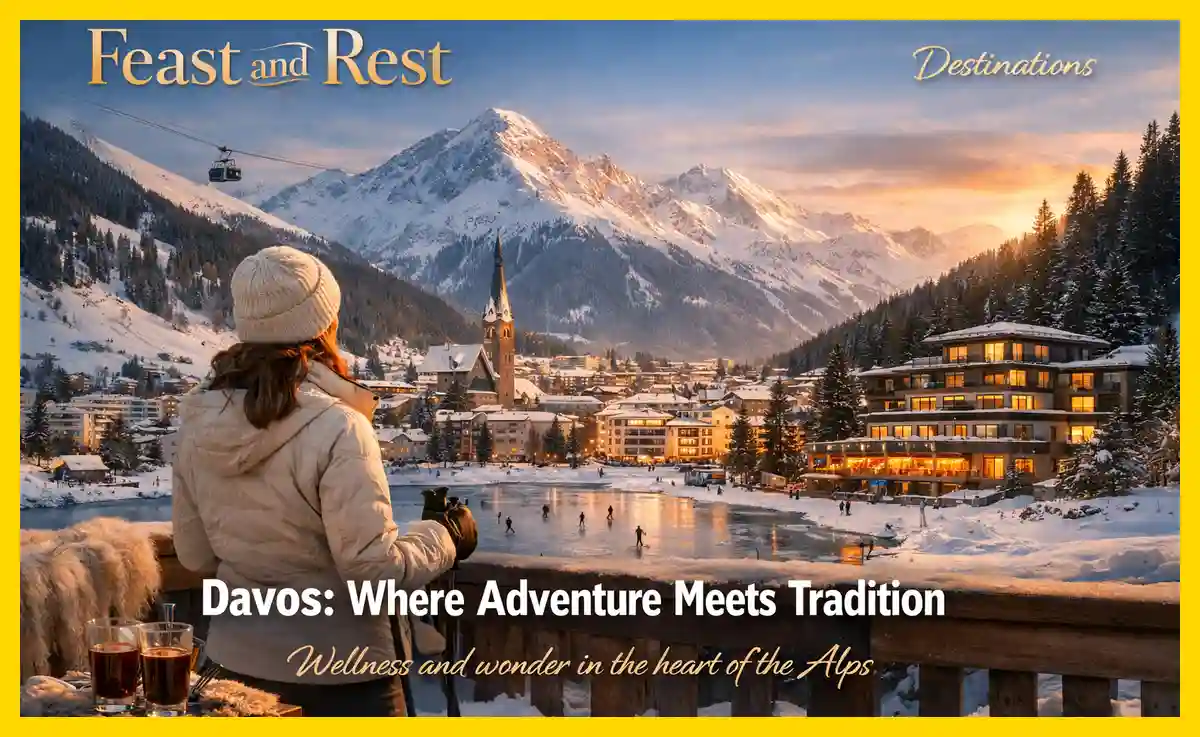
First Steps: Immersing in the Timeless Charm of Davos
Imagine stepping off a train into crisp mountain air, where snow-capped peaks frame a valley dotted with wooden chalets and winding paths. Davos, perched at 1,560 meters in the canton of Graubünden, Switzerland, unfolds as a place where the rhythm of alpine life feels both invigorating and serene. As Europe’s highest town, it draws those seeking a connection to nature’s quiet grandeur, whether through the gentle hush of a forested trail or the distant chime of cowbells echoing across meadows.
This destination’s cultural significance lies in its layered history, blending ancient Walser settlements with a legacy as a 19th-century health retreat. Once a haven for those drawn to its pure air and microclimate, Davos evolved into a hub for winter sports and artistic inspiration, influencing works like Thomas Mann’s reflections on mountain solitude. Today, it embodies Swiss alpine heritage, where traditions of community and craftsmanship persist amid modern pursuits. The overall vibe is one of balanced vitality—energetic slopes in winter give way to reflective hikes in summer, creating a space for rejuvenation without overwhelm.
Davos best serves cultural explorers intrigued by art and folklore, nature enthusiasts eager for outdoor immersion, and families looking for accessible adventures. History lovers might trace its roots through museums and historic sites, while those preferring active days can engage with the landscape’s seasonal shifts. For travelers valuing thoughtful cultural tourism, Davos offers a window into Graubünden’s enduring ways, from local dialects infused with Walser influences to customs that honor the land. As a top travel destination in the Swiss Alps, it encourages a deeper appreciation for heritage sites and everyday alpine life, making it ideal for those who savor unhurried discovery over rushed itineraries.
In this Davos travel guide, readers will find inspiration for planning a visit that highlights the town’s unique integration of culture and environment. Whether wandering hidden valleys or observing traditional practices, the experience fosters a sense of enrichment, aligning with the spirit of exploring global destinations and culture.
The Soul of Davos: History, Culture, and Enduring Vibe
Davos traces its origins to the High Middle Ages, when Rhaeto-Roman settlers first established communities in the Landwasser Valley around 1213. By the late 13th century, German-speaking Walser migrants arrived, bringing self-governing traditions that shaped the town’s independent character. These early inhabitants navigated alliances with regional powers, securing exemptions from taxes and fostering a resilient community spirit that persists today.
The 19th century marked a pivotal shift, as physicians recognized Davos’s high-altitude climate and fresh air as beneficial for lung ailments. This led to its development as a health resort, attracting visitors from across Europe and inspiring literary depictions of mountain healing and introspection. Over time, the town transitioned into a premier winter sports locale, with innovations in skiing and ice activities drawing global attention. Culturally, Davos reflects Graubünden’s alpine ethos, where Walser influences appear in architecture, dialects, and communal practices like seasonal herding.
The enduring vibe is one of harmonious contrast—bustling central areas like Davos Platz hum with subtle energy, while side valleys offer pockets of tranquility. In broader global travel, Davos stands as a symbol of sustainable alpine living, where heritage sites blend with natural preservation. Seasonal character adds depth: winter blankets the landscape in snow, enhancing a cozy, introspective atmosphere, while summer reveals vibrant meadows and clear lakes, inviting exploration. This evolution underscores Davos’s role as a thoughtful destination for cultural immersion, where the past informs a present focused on balanced, enriching experiences.
Iconic Landmarks and Hidden Treasures: Must-See Spots in Davos
Davos boasts a mix of prominent attractions and lesser-known corners that reveal its alpine charm and cultural layers. Major landmarks often center on art and nature, while hidden gems provide intimate glimpses into local life.
- Kirchner Museum: Dedicated to Expressionist artist Ernst Ludwig Kirchner, who found inspiration in Davos’s landscapes during his residence here from 1917. The collection features paintings capturing the town’s mountains and valleys with bold colors and emotional depth, offering a sensory link to early 20th-century artistic heritage.
- Schatzalp: A sun-drenched terrace accessible by funicular, once a sanatorium and now home to an Art Nouveau hotel and alpine botanical garden. Visitors can stroll paths lined with over 800 plant species, experiencing the site’s historic role in health tourism amid panoramic views.
- Lake Davos (Davosersee): A serene body of water nestled in the valley, ideal for quiet walks along its circular path. The lake’s clear reflections of surrounding peaks create a meditative setting, with nearby lidos enhancing summer relaxation.
- Parsenn Area: Known for its expansive slopes and high-altitude vistas from Weissfluhjoch, this spot highlights Davos’s winter sports legacy while offering summer hiking routes that reveal glacial features.
Among hidden treasures, the Sertig Valley stands out as a peaceful side valley with hikes leading to a cascading waterfall, surrounded by wildflowers in warmer months. The Forest Cemetery (Waldfriedhof) provides a contemplative space with historic graves amid tall pines, reflecting local reverence for nature. Lesser-visited heritage sites include the Town Archives, preserving documents from Davos’s medieval past, and historic structures like the Grosses Jenatschhaus, a traditional Pfrundhaus showcasing Walser architectural elements.
Other gems include local show dairies where traditional cheese-making processes can be observed, connecting to Graubünden’s culinary roots, and quiet neighborhoods in Davos Dorf with preserved chalets that evoke everyday alpine living. These spots emphasize what makes Davos memorable: a fusion of sensory details like the scent of pine forests and the sight of rugged peaks, all tied to cultural narratives of resilience and creativity.

Cultural Immersion: Festivals, Traditions, and Authentic Activities
Davos’s cultural fabric weaves together alpine traditions and community gatherings that allow visitors to connect with local heritage. Defining practices include the seasonal movement of livestock, where herders guide decorated cattle through valleys in a ritual honoring agricultural cycles. This custom, rooted in Walser history, underscores the town’s bond with the land and fosters a sense of communal continuity.
Festivals in Davos often celebrate music and arts, such as annual gatherings featuring young classical musicians performing in intimate venues amid mountain backdrops. These events highlight emerging talent and blend symphonic sounds with the natural acoustics of the Alps. Other cultural events include folk gatherings where local artisans demonstrate crafts like woodcarving or textile weaving, providing insights into Graubünden’s handmade traditions. Sports-oriented festivals, like ice hockey tournaments, reflect the town’s athletic spirit, drawing communities together in spirited yet family-friendly competitions.
Authentic activities abound for deeper immersion. Hiking heritage trails traces Walser settlement paths, revealing stone houses and meadows that speak to centuries-old lifestyles. In warmer seasons, participating in guided nature walks explores biodiversity, while winter offers snowshoe treks that echo historical travel methods. Culinary experiences, such as observing traditional cheese production at local dairies, connect to sustainable farming practices that prioritize community and environmental harmony.
These elements encourage visitors to engage thoughtfully, perhaps by joining a yoga session in a scenic setting or exploring art exhibitions that interpret alpine themes. Overall, Davos’s festivals and traditions emphasize sustainable aspects, like eco-conscious event planning, helping travelers appreciate the culture’s emphasis on preservation and shared joy.
Traveler Notes: Tips for Exploring Thoughtfully
To make the most of a visit to Davos, consider these practical insights tailored for cultural explorers and nature enthusiasts.
- Optimal Seasons and Times: Winter suits snow sports lovers with reliable snowfall from December to March, ideal for experiencing alpine coziness. Summer, from June to August, offers mild temperatures for hiking and lake activities, with longer daylight enhancing exploration. Autumn brings colorful foliage and traditional herding events, while spring reveals blooming meadows—aim for shoulder seasons to avoid peak crowds and enjoy pleasant conditions.
- Ways to Experience Key Areas: Use cable cars or funiculars to access high points like Schatzalp or Jakobshorn for panoramic overviews without strenuous climbs. Walking routes around Lake Davos provide easy loops, while public buses connect central spots like Davos Platz to side valleys. For immersive treks, follow signposted paths in Sertig Valley, combining nature with cultural landmarks.
- Complementary Nearby Spots: Enhance visits with strolls through local markets in Davos Dorf, where fresh produce reflects regional agriculture. Parks like the botanical garden on Schatzalp add floral variety, and short day trips to nearby Filisur via train offer views of historic viaducts. These additions deepen the sense of place without venturing far.
- Who It Suits Best—and Alternatives: Davos appeals to active families, art aficionados, and those seeking reflective outdoor time, with accessible trails and museums catering to varied paces. It may feel structured for travelers preferring untamed wilderness; in such cases, quieter Swiss valleys might offer more seclusion.
- Notable Accessibility and Sustainability Features: Many attractions feature wheelchair-friendly paths or adapted transport, like barrier-free cable cars. Sustainability shines through eco-labeled accommodations and initiatives promoting low-impact hiking, encouraging visitors to respect trails and support local conservation efforts.
These tips foster a respectful approach, ensuring trips align with Davos’s ethos of thoughtful cultural tourism.
Why Davos Inspires Lasting Memories
Davos emerges as a destination where alpine heritage and natural splendor converge to create enriching journeys. Its defining qualities— from the artistic legacy captured in museums to the rhythmic traditions of valley life—offer travelers a profound sense of connection to Switzerland’s Graubünden region. The town’s high-elevation setting amplifies this, with crisp air and vast vistas that invite moments of quiet reflection amid active pursuits.
Ideal for cultural explorers drawn to Walser roots and artistic expressions, or families appreciating family-friendly hikes and seasonal events, Davos suits those who value depth over spectacle. It gently frames a balanced experience, where winter’s snowy embrace complements summer’s verdant trails, all underpinned by a commitment to sustainable practices that honor the environment.
As readers envision their own path through Davos, consider how its timeless elements—echoes of historical health seekers, the subtle artistry in landscapes, and communal customs—can weave into personal stories. This alpine gem encourages a mindful approach to travel, fostering memories rooted in authentic discovery and the simple joys of cultural immersion.