The Evolving Landscape of Argentine Live-Fire Dining
Securing a table at top-tier South America Michelin star dining destinations has become one of the most challenging aspects of planning a trip to Argentina. In Buenos Aires, the traditional steakhouse concept has evolved beyond simple neighborhood neighborhood parrillas into world-renowned culinary hubs. Fueled by a wave of global accolades and modern live fire restaurant reservations systems, the city’s dining scene now demands strategic foresight.
As we navigate 2026 dining trends, travelers are finding that spontaneity rarely yields a table at the capital’s premier establishments. Whether your goal is to experience the legendary prime cuts of Palermo or the modern open-kitchen innovations of Chacarita, navigating these high-demand booking platforms requires insider timing and real-time persistence. This guide offers practical Argentina steakhouse travel tips to help you secure hard to get restaurant tables without unnecessary friction.
The Epicenter of Fire: Navigating the Don Julio Rush
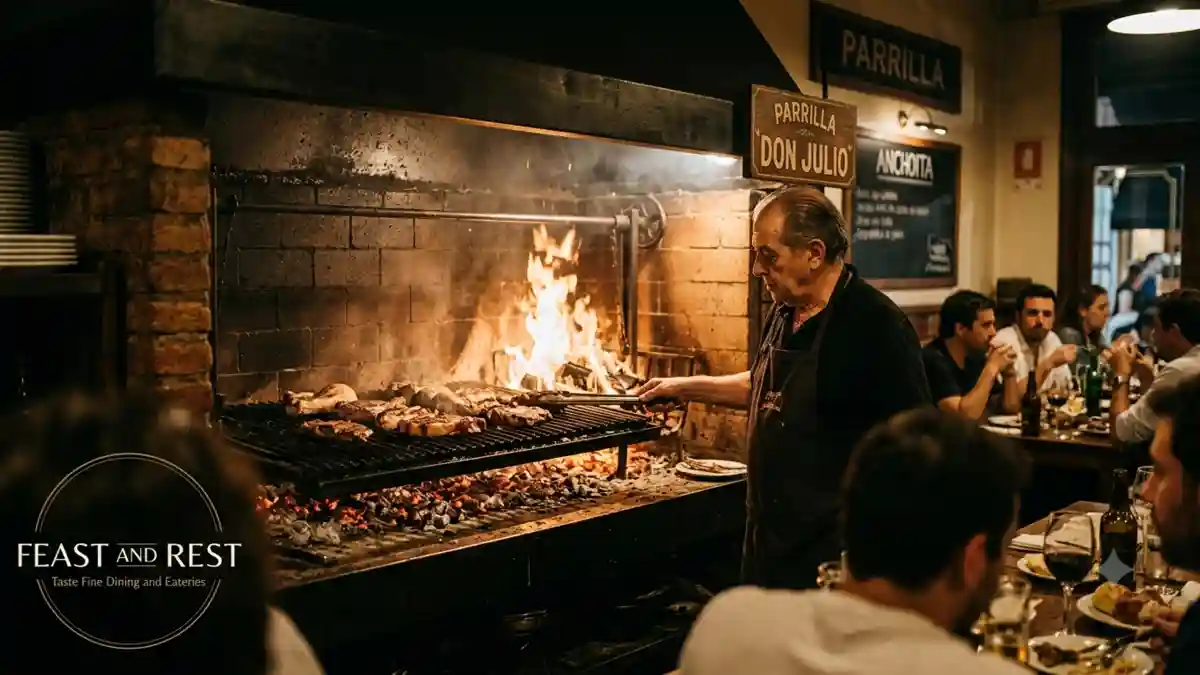
Located on a leafy corner in the vibrant Palermo Soho district, Don Julio stands as arguably the best parrilla in Buenos Aires. Known globally for its meticulous grass-fed beef sourcing and extensive wine cellar, it remains at the top of every international food lover’s itinerary. Because demand consistently exceeds capacity, mastering Don Julio Buenos Aires reservation tips is essential for anyone visiting the city.
Insider Booking Tip: Official online reservation slots typically open 30 to 90 days in advance at midnight, local Argentine time. Tables book out within minutes of release.
If digital slots are unavailable, the restaurant maintains a controlled walk-in queue each day. Guests who arrive 45 to 60 minutes before the lunch or dinner doors open can often secure a same-day table. While waiting along the sidewalk, the host team frequently serves complimentary sparkling wine and small empanadas—a gesture that transforms an administrative wait into a pleasant neighborhood ritual.
+-------------------------------------------------------------------+
|                   DON JULIO AT A GLANCE                           |
+---------------------+---------------------------------------------+
| Location            | Guatemala 4699, Palermo Soho, Buenos Aires  |
| Primary Feature     | Regenerative grass-fed cattle, aged beef    |
| Prime Booking Window| 30–90 days prior via official portal        |
| Walk-in Strategy    | Arrive 45–60 mins prior to opening shifts   |
+---------------------+---------------------------------------------+
Anchoita: The Contemporary Live-Fire Masterclass
While traditional steakhouses focus heavily on classic beef cuts, Anchoita in the Chacarita neighborhood has completely redefined modern Argentine dining. Spearheaded by pilot, actor, and chef Enrique Piñeyro, the restaurant blends hyper-local ingredients, wild river fish, custom charcuterie, and open-flame cooking. Learning how to book Anchoita restaurant reservations requires even more discipline than standard fine dining venues, as the venue operates with an exceptionally loyal local following alongside international visitors.
The dining room centers around a massive open kitchen and bar, allowing guests to watch cooks manage intense wood flames and precision aging cabinets. Because the menu shifts regularly based on small-producer availability, guests are treated to dynamic preparations rather than fixed, repetitive offerings.
+-------------------------------------------------------------------+
|                    ANCHOITA AT A GLANCE                           |
+---------------------+---------------------------------------------+
| Location            | BGV, A. Cordeiro 3199, Chacarita            |
| Culinary Focus      | Wild river fish, artisanal cheeses, fire    |
| Booking Difficulty  | High (Digital calendar opens months ahead)  |
| Standout Element    | Comprehensive native Argentine cheese bar    |
+---------------------+---------------------------------------------+
To secure a seat at Anchoita, monitor their digital booking system at the turn of each calendar month. Slots are released in batches, and setting digital reminders for midnight local time yields the highest success rate.
Understanding the Neighborhood Culinary Identity
To fully appreciate this dining movement, one must understand how location shapes the culinary identity across Buenos Aires. The city does not feature a single monolithic restaurant district; rather, distinct neighborhoods cultivate their own unique styles:
Palermo Soho & Hollywood: Home to elegant, tree-lined streets where legacy establishments seamlessly mingle with modern cocktail bars. The dining here skews international, polished, and energetic.
Chacarita: Traditionally a quiet, working-class residential area, Chacarita has transformed into an experimental culinary sandbox. The restaurants here focus on understated exteriors, seasonal small plates, and casual sophistication.
San Telmo & La Boca: Rich in historic architecture, offering classic, unpretentious parrillas where traditional charcoal cooking methods have remained unchanged for decades.
Positioning your reservation attempts around these neighborhood hubs allows for logical itinerary planning, reducing time spent in cross-town traffic before late-night dinners.
Signature Dishes and Culinary Philosophy
The core philosophy underlying high-end Argentine cooking rests on two pillars: exceptional ingredient sourcing and mastered fire management. Rather than masking cuts with heavy glazes, chefs rely on precise salt application, native hardwood embers (such as quebracho), and patience.
Key Menu Highlights
Ojo de Bife (Ribeye): Celebrated for its deep marbling, rich crust, and tender core. Often served simply with sea salt and fresh chimichurri.
Entraña (Skirt Steak): Highly prized for its intense beefy flavor and fast flame-searing technique.
Mollejas (Sweetbreads): A non-negotiable starter at any top parrilla, slow-roasted over low coals until the exterior achieves a crisp crunch while maintaining a smooth center. Finished with fresh lemon juice.
Provolone Sarta (Provoleta): Thick slabs of artisanal cow’s milk cheese grilled directly on metal grates or iron pans until melted internally with a browned bottom edge.
River Fish on Wood Flames: At contemporary spots like Anchoita, native species like surubí or pacú are cooked over open embers, showcasing the country’s diverse water basins beyond pampa beef.
Wine Pairings and Cellar Culture
No trip through the local dining scene is complete without addressing the glass. Argentine culinary travel inherently intersects with world-class viticulture. While Malbec from the Uco Valley or Luján de Cuyo remains the default choice for heavy beef cuts, current sommelier programs in Buenos Aires are highlighting unexpected varietals.
High-Altitude Cabernet Franc: Offering herbal note profiles and sharp acidity that cuts through rich fat.
Old-Vine Criolla: Light-bodied, chilled reds that pair brilliantly with charcuterie, sweetbreads, and grilled poultry.
Patagonian Pinot Noir & Pinot Gris: Crisp options ideal for river fish or grilled vegetable courses.
Many top establishments hold extensive reserve cellars containing rare vintage bottles that are remarkably well-priced compared to North American or European fine dining standards. Taking time to consult with the house sommelier often unlocks limited-production allocations from boutique winemakers.
Practical Information and Booking Strategies
Planning a seamless evening at a high-end Buenos Aires restaurant requires attention to local customs and practical logistics.
Strategic Booking Checklist
Set Time Zone Alerts: Double-check Argentina’s offset (GMT-3) when preparing to book online slots from abroad.
Use Hotel Concierge Services: Luxury boutique hotels in Palermo or Recoleta often maintain direct lines with reservation managers for last-minute cancellations.
Leverage Notification Lists: Enable automated cancellation alerts on booking platforms like SevenRooms or Meitre. Late cancellations frequently occur 24 to 48 hours before service.
Embrace Late Dining: Prime dining hours in Argentina run late. Booking a table for 7:00 PM is vastly easier than trying to secure an 8:30 PM or 9:30 PM slot.
Dining Etiquette and Logistics
Dress Code: Smart casual is the standard across elite spots. Clean, refined attire fits seamlessly; formal black-tie is rarely required.
Tipping Culture: Service charges are generally not automatically included on the bill. A tip of 10% in cash is standard and appreciated for good service.
Pacing: Meals are intended to be unhurried. Staff will not rush your table, meaning you should plan for a minimum of two to three hours for dinner.
Balancing Heritage Fire with Contemporary Craft
Navigating the competitive dining landscape of Buenos Aires requires a bit of patience, but the reward is exceptional. Whether you end up seated along the butcher counter at Don Julio or sharing small plates around the open kitchen at Anchoita, the intersection of world-class ingredients, passionate hospitality, and masterfully controlled fire creates an unforgettable culinary journey. By planning well in advance and staying flexible with service times, you can reliably land a seat at South America’s most celebrated tables.
Source Context and Data Notes
Source Types: Editorial recommendations synthesized from verified culinary travel reporting, official restaurant booking platform guidelines, real-time dining availability updates, and industry insights regarding South American gastronomy trends.
Known Limitations: Reservation policies, digital platform providers, and seasonal opening hours are subject to change by restaurant management without prior public notice. Menus and wine lists change periodically based on ingredient seasonality and market availability.
Scope of Details: Generalized strategies apply broadly to top-tier dining in Buenos Aires, though specific walk-in wait times and booking windows may fluctuate during peak holiday travel periods.