Fall 2026 Food Trends: Balancing Swavory Innovation and Menu Margin Realities
As the dining sector transitions into the late months of the year, operators face a dual imperative: satisfying an increasingly adventurous consumer palette while keeping sharp operational control over input costs. The fall 2026 food trends point toward a landscape defined by clever flavor cross-pollination and highly calculated back-of-house efficiencies. Diners seeking rich, multi-layered comfort profiles are driving a widespread shift toward sweet-and-savory—or “swavory”—flavor builds across casual dining, quick-service, and polished upscale establishments.
At the same time, persistent pressure from restaurant menu price inflation has forced culinary leadership to look closely at kitchen machinery and sourcing logistics. According to recent comfort food menu analysis, guests continue to crave familiar, high-satisfaction proteins, but they expect modern flavor twists to justify modern check sizes. By examining the interplay between hot honey menu trend extensions, pressure fried chicken strategy implementations, and centralized ingredient logistics, we gain a clear window into how resilient menus are engineered today.
1. The Rise of “Swavory” Profiles in Fall 2026
The convergence of sweet, savory, spicy, and umami elements is no longer restricted to experimental tasting menus. In late 2026, swavory flavor trends have become a dominant driver of mainstream menu development. Today’s guests actively seek dishes that deliver complex contrast in every bite, moving away from purely sweet or strictly savory profiles.
This shift is anchored in basic sensory mechanics. When sweet components like reduced fruit glazes, maple derivatives, or infused honeys are paired with high-glutamate savory bases—such as aged cheeses, slow-roasted meats, or fermented chilis—they stimulate multiple taste receptors simultaneously. The result is a more memorable dining experience that creates higher craveability.
+-------------------+--------------------------------+----------------------------------+
| Swavory Profile   | Key Flavor Drivers             | Practical Menu Application       |
+-------------------+--------------------------------+----------------------------------+
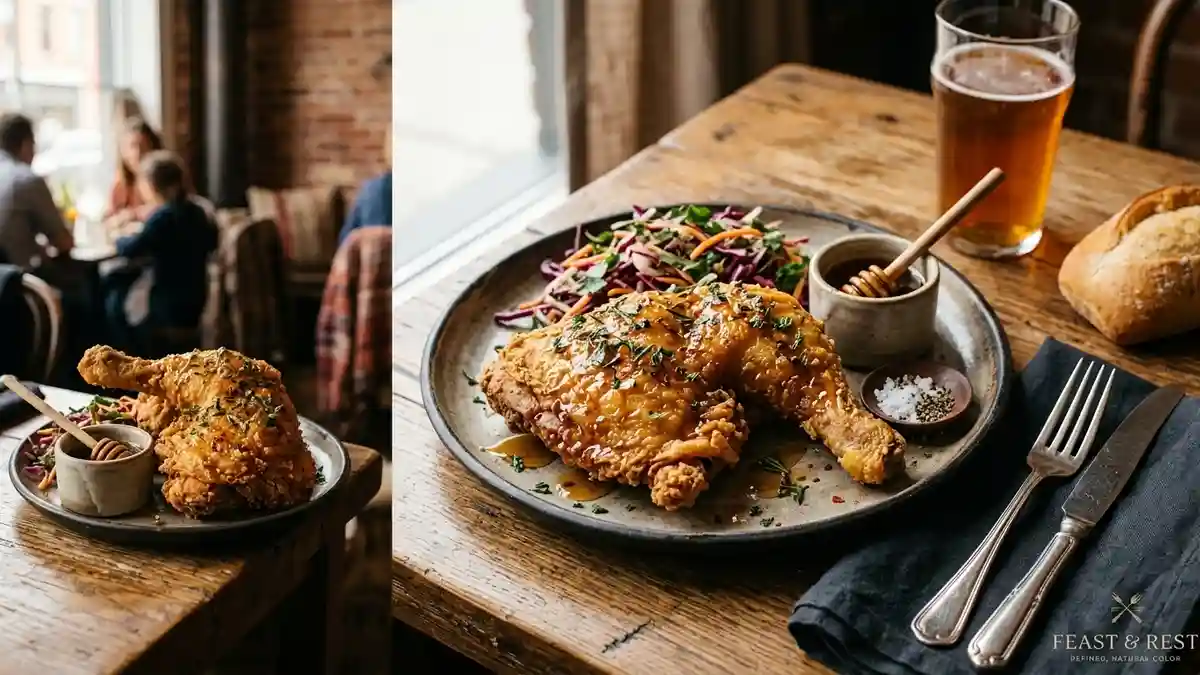
| Sweet-Heat        | Hot honey, habanero-agave      | Glazed fried chicken, ribs       |
| Sweet-Umami       | Black garlic caramel, miso     | Charred pork belly, roasted squash|
| Sweet-Salty-Herb  | Brown butter sage, maple-thyme | Pasta fills, roasted root veg    |
+-------------------+--------------------------------+----------------------------------+
As operators adjust to shifting consumer expectations, swavory profiles offer a reliable avenue for menu differentiation without requiring entirely foreign ingredients or risky operational overhauls.
2. Evolution of the Hot Honey Menu Trend
Few flavor profiles have demonstrated the staying power of hot honey. What began as an artisanal condiment on regional Brooklyn pizzas has evolved into a staple across multiple restaurant categories. In 2026, the hot honey menu trend is entering its next phase of sophistication, moving beyond basic chicken glazes and pizza drizzles.
                          [ Raw Honey Base ]
                                  │
                   ┌──────────────┴──────────────┐
                   ▼                             ▼
       [ Single-Origin Chilies ]       [ Fermented Botanicals ]
          (Calabrian, Habanero)          (Black Garlic, Ginger)
                   │                             │
                   └──────────────┬──────────────┘
                                  ▼
                     [ Complex Infused Honey ]
                                  │
     ┌────────────────────────────┼────────────────────────────┐
     ▼                            ▼                            ▼
[ Bakery / Pastry ]      [ Beverage Program ]        [ Charcuterie / Cheese ]
(Scones, Biscuits)       (Bourbon Cocktails)         (Aged Cheddar, Ricotta)
Chefs are now utilizing single-origin chilies, smoke infusions, and botanical accents to create custom honey formulations. Based on available information, forward-thinking kitchens are integrating these spicy-sweet honeys into:
Breakfast & Bakery: Savory cheddar scones, buttermilk biscuits, and breakfast sandwich glazes.
Beverage Programs: Craft cocktails balancing aged spirits, citrus, and chili-infused wildflower honey.
Cheese & Charcuterie: Charred artisan breads paired with whipped ricotta, roasted nuts, and habanero honey.
The ongoing success of this trend highlights how a single, well-executed flavor concept can permeate every daypart on a modern menu.
3. Operational Strategy: The Pressure Fried Chicken Edge
While flavor trends capture guest attention, back-of-house execution determines whether a dish remains profitable. In the current economic climate, adopting a refined pressure fried chicken strategy has become a crucial tool for high-volume chicken programs and full-service casual concepts alike.
Unlike open frying, commercial pressure frying cooks poultry in a sealed system under controlled pressure. This technical approach yields several distinct operational and culinary benefits:
Moisture Retention: The pressure environment prevents internal moisture from escaping as steam, yielding noticeably juicier meat even with leaner cuts.
Reduced Oil Absorption: Cooking at higher pressures creates a rapid sear on the exterior coating, shortening cook times and reducing total oil absorption.
Oil Longevity: Because less moisture and fewer food particles enter the fry vat, shortening degrades more slowly, directly cutting raw ingredient costs.
Throughput Efficiency: Faster cook cycles enable kitchens to process higher order volumes during peak rush periods without sacrificing product consistency.
When paired with modern swavory glazes or dry rubs, pressure-fried proteins deliver the exact crispness and juiciness that guests demand, while protecting the kitchen’s bottom line.
4. Navigating Menu Price Inflation and Cost Management
Managing restaurant menu price inflation remains one of the toughest challenges for culinary directors in 2026. As labor rates, utilities, and raw ingredient costs stay elevated, operators can no longer rely solely on across-the-board price increases without risking diner pushback and declining foot traffic.
Successful foodservice cost management now requires a granular, item-by-item comfort food menu analysis. Comfort food items—traditionally built on accessible ingredients like potatoes, poultry, braised cuts, and grains—offer ideal canvases for margin recovery when paired with premium finishes.
                      [ Inflationary Pressure ]
                                  │
               ┌──────────────────┴──────────────────┐
               ▼                                     ▼
   [ Cross-Utilized Base ]               [ Culinary Elevation ]
  (Poultry, Grains, Roots)              (Swavory Finishing Touches)
               │                                     │
               └──────────────────┬──────────────────┘
                                  ▼
                     [ Optimized Margin & Value ]
Key strategies currently employed by high-performing groups include:
Cross-Utilization of Prep Work: Utilizing central sauces, pickling liquids, and custom spice blends across multiple menu sections to minimize prep hours.
Portion Engineering: Adjusting protein sizes slightly while elevating plate presentation through rich sauces, crisp garnishes, and high-value sides.
Strategic Menu Tiering: Positioning familiar comfort favorites alongside premium optional add-ons, allowing price-sensitive guests to control their spend while giving big spenders room to upgrade.
5. Central Sauces and Spices: Consistency at Scale
To support menu expansion without inflating kitchen labor, many restaurant groups are turning to a centralized sauce and spice hot honey strategy. Preparing complex chili blends, emulsified glazes, and specialty seasonings in a central commissary—or partnering with specialized co-packers—ensures batch-to-batch consistency across multiple units.
This structural approach yields several clear operational advantages:
Quality Control: Eliminates unit-level variation in spice intensity, sweetness, and viscosity.
Waste Reduction: Centralized measurement minimizes ingredient spoilage and reduces prep mistakes in unit kitchens.
Speed of Service: Line cooks can finish complex dishes simply by drizzling or tossing proteins in pre-portioned, shelf-stable sauces during busy dinner shifts.
By standardizing core flavor profiles at the supply level, restaurant operators maintain their signature tastes while streamlining kitchen execution.
6. Sustainable Restaurant Profitability in 2026
Achieving long-term restaurant profitability in 2026 requires balancing creative menu innovation with disciplined financial management. Concepts that thrive today are those that treat every menu item as a balance between consumer appeal, kitchen throughput, and food cost percentage.
                 [ Balanced Menu Architecture ]
                               │
       ┌───────────────────────┼───────────────────────┐
       ▼                       ▼                       ▼
[ High Craveability ]   [ Optimized Prep ]    [ Protected Margins ]
(Swavory profiles)     (Central sauces)      (Efficient equipment)
As current details indicate, top-performing operations evaluate their menus using a clear matrix:
High-Margin “Stars”: Dishes that combine low-cost bases (such as pressure-fried chicken or grain bowls) with high-value flavor accents like custom hot honeys.
Efficient Workhorses: Reliable comfort classics that utilize cross-functional ingredients and require minimal line assembly time.
Signature Drivers: Unique culinary offerings that build brand identity and attract new guests, engineered to maintain acceptable margin targets.
By continually refining this menu matrix, operators build resilience against changing economic conditions while keeping guests excited to return.
Key Takeaways for Operators & Diners
Practical Menu Insights
Flavor Profiles: Prioritize sweet-savory (“swavory”) contrasts, leveraging hot honey and spice glazes to elevate familiar core proteins.
Equipment Strategy: Invest in pressure frying technology to reduce cook times, preserve product quality, and lower oil consumption.
Supply Consistency: Standardize signature seasonings and sauces through centralized prep to ensure uniform quality across locations.
Value Perception: Pair cost-effective comfort bases with high-impact finishing touches to maintain strong margins without alienating guests.
Source Context and Data Notes
Information Sources: Industry trend reports, culinary operational standards, commercial kitchen equipment documentation, and current foodservice cost management analyses.
Limitations: Menu structures, equipment availability, and regional supplier costs vary significantly depending on geography and concept size.
Generalizations: Market dynamics reflect broader macro trends across North American, European, and Asian-Pacific dining markets as currently reported for the late 2026 cycle.
As fall 2026 dining trends continue to evolve, the most successful restaurants will remain those that marry flavor innovation with back-of-house discipline. By embracing versatile flavor profiles like swavory glazes and leveraging efficient cooking equipm