Introduction: A New Culinary Chapter for the Mother Road
The American road trip is experiencing a profound culinary transformation along its most iconic stretch. The Route 66 restaurant revival represents a major shift in how travelers and locals approach dining across the historic corridor spanning from Illinois to California. Rather than relying solely on mid-century nostalgia and standardized diner fare, a new generation of independent chefs, preservationists, and hospitality groups is reimagining the historic highway’s food culture for 2026 and beyond.
Recent high-profile restorations and culinary updates across towns like Flagstaff, Springfield, and Albuquerque have drawn attention from national food guides and dining critics. Contemporary culinary programs are breathed into heritage spaces—from restored Art Deco roadhouses to converted vintage gas stations. Today, the modern Route 66 dining scene balances deep reverence for regional foodways with contemporary cooking techniques, localized sourcing, and deliberate beverage pairings.
This renaissance matters now because it redefines the highway from a museum piece into a vibrant, living corridor of regional American gastronomy. For food enthusiasts and road-trippers alike, these refreshed dining rooms offer a distinct sense of place, bridging historical preservation with forward-thinking hospitality.
The Evolution of the American Roadside Diner
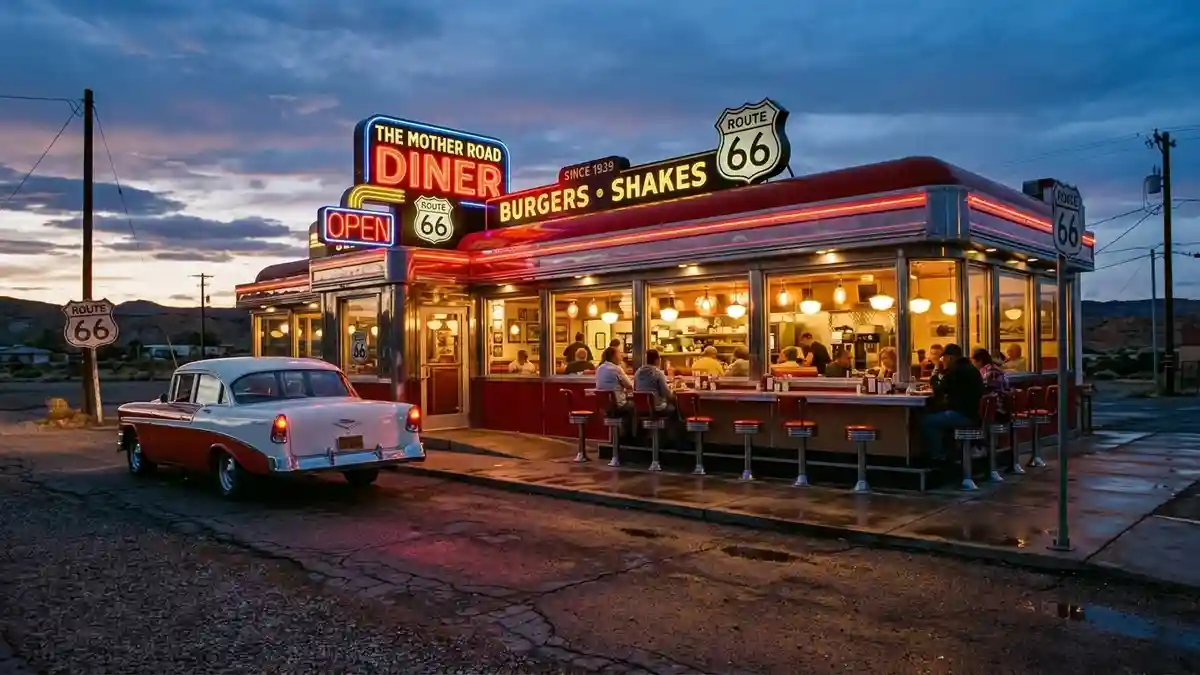
For decades, dining along the Mother Road was defined by convenience, speed, and standard comfort food. Mid-century travelers sought out neon signs indicating hot coffee, quick breakfasts, and classic double-patty burgers. While these traditional eateries served a vital role in 20th-century travel culture, changing highway infrastructure and fast-food expansion led to the decline of many historic independent stops.
The modern revival addresses this history by preserving architectural bones while completely overhauling kitchen operations. Operators are restoring original terrazzo floors, restored Pullman booth seating, and vintage counter setups, but pairing them with professional-grade kitchen infrastructure.
+------------------------+---------------------------------+-----------------------------------+
| Era                    | Atmosphere & Service            | Culinary Focus                    |
+------------------------+---------------------------------+-----------------------------------+
| Classic Era (1930s–60s)| High-speed counter service,     | Short-order staples, canned       |
|                        | neon decor, booth seating       | ingredients, quick pies           |
+------------------------+---------------------------------+-----------------------------------+
| Preservation Era (90s) | Souvenir-focused, heavy retro   | Standardized comfort foods,       |
|                        | kitsch, static menus            | nostalgic visual appeal           |
+------------------------+---------------------------------+-----------------------------------+
| Modern Revival (2026+) | Restored historic design,       | Scratch cooking, local sourcing,  |
|                        | warm contemporary hospitality   | craft beverages, heritage grains  |
+------------------------+---------------------------------+-----------------------------------+
This evolution appeals to modern diners who value historical authenticity alongside high culinary standards. By maintaining vintage aesthetics while raising ingredient quality, revived establishments create a multi-layered dining experience that honors the past without feeling stuck in it.
Regional Foodways and Scratch-Made Philosophy
At the heart of the current corridor renaissance is a commitment to scratch preparation and regional ingredient sourcing. Historically, long-haul roadside kitchens relied heavily on commercial pre-packaged goods to ensure consistency across remote stretches. The current movement turns that model on its head by treating each stretch of the highway as its own micro-culinary region.
In the Midwest segments across Illinois and Missouri, kitchens are championing regional specialties like horseshoe sandwiches and slow-smoked meats made with heritage pork and locally milled grains. Moving into the Southwest—through Oklahoma, Texas, New Mexico, and Arizona—menus incorporate native ingredients, including roasted green chiles, blue corn, piñon nuts, and heritage beef raised on nearby ranches.
Chef-driven roadhouses along these routes emphasize:
In-House Butcher and Curing Programs: Crafting house-made sausages, smoked bacon, and cured meats for breakfast and lunch plates.
Heritage Grain Baking: Baking fresh pies, sourdough biscuits, and hamburger buns daily using regionally stone-ground flours.
Micro-Regional Sourcing: Partnering directly with local farmers and ranchers within a short radius of the highway.
Seasonal Adapting: Rotating daily specials to mirror local harvest cycles rather than keeping static year-round menus.
This culinary approach ensures that a meal in New Mexico feels distinct from one enjoyed in Missouri, giving road travelers a genuine taste of changing American geography through their plates.
Atmosphere, Architecture, and Sense of Place
The physical dining environment along Route 66 plays a crucial role in shaping the overall experience. Revived venues often occupy buildings with rich histories, ranging from 1940s Streamline Moderne diners to converted mid-century service stations and rustic stone trading posts.
Rather than cluttering dining rooms with excessive memorabilia, modern restorers focus on thoughtful, understated design. Original architectural details—such as exposed brick walls, vintage neon tubing, brushed steel counters, and restored glass block windows—are highlighted through clean lighting and contemporary layout choices.
Soundscapes and seating design are also given careful consideration. Acoustic treatments soft-panel vintage metal structures to allow comfortable conversation, while re-upholstered leather booths provide comfortable resting spots for long-distance drivers. The resulting ambiance strikes a delicate balance between historical charm and modern dining comfort, welcoming both local regulars out for dinner and long-distance road trippers seeking a memorable break.
Key Menu Highlights Across the Corridor
While specific dishes vary depending on the stretch of road and seasonal availability, several core culinary themes define the refreshed Mother Road menu. Kitchens focus on comforting classics elevated by refined technique and quality ingredients.
+------------------------------------+---------------------------------------+------------------------------------------+
| Dish Category                      | Key Elements & Techniques             | Flavor Profile                           |
+------------------------------------+---------------------------------------+------------------------------------------+
| Elevated Smash Burgers             | Grass-fed beef, house-pickled onions, | Savory, rich, sharp acidity, crisp edges |
|                                    | potato brioche bun, aged cheddar      |                                          |
+------------------------------------+---------------------------------------+------------------------------------------+
| Southwestern Green Chile Plates    | Slow-braised pork shoulder, roasted   | Earthy, mild-to-medium heat, smoky,      |
|                                    | hatch chiles, house blue corn tortilla| comforting                               |
+------------------------------------+---------------------------------------+------------------------------------------+
| Heritage Fruit Pies                | All-butter flaky crust, seasonal orchard| Subtly sweet, balanced tartness, rich    |
|                                    | fruit, warm spice blends              | texture                                  |
+------------------------------------+---------------------------------------+------------------------------------------+
| Craft Breakfast Biscuits           | Buttermilk biscuits, house-cured bacon| Buttery, flaky, savory, deeply satisfying|
|                                    | or sage sausage, farm-fresh eggs      |                                          |
+------------------------------------+---------------------------------------+------------------------------------------+
Menu Highlights to Watch For
House-Cured Smokehouse Plates: Brisket, ribs, or house-made sausages smoked over local woods (like oak or mesquite) served with house-fermented pickles and signature vinegar-based sauces.
Refined Roadhouse Chili: Prepared with hand-cut chuck, whole toasted spices, and regional chili peppers, cooked low and slow without heavy thickeners.
Artisanal Soda Counter Drinks: Classic egg creams, house-made fruit shrubs, and botanical sodas crafted with natural cane sugar and fresh juices.
Seasonal Fruit Cobblers & Crisps: Baked daily in cast-iron skillets, featuring local stone fruits, berries, or apples topped with house-churned vanilla bean ice cream.
Beverage Programs: From Craft Beers to Zero-Proof Elixirs
The modern revival extends well beyond the plate and into the glass. Historically limited to drip coffee, iced tea, and commercial lagers, roadside beverage programs have evolved into curated offerings that highlight regional breweries, distilleries, and non-alcoholic craft producers.
Many updated highway eateries now collaborate directly with regional microbreweries to offer exclusive house lagers or pale ales designed to pair cleanly with rich diner fare. Wine lists, while kept accessible, frequently feature low-intervention bottles from surrounding agricultural regions—such as Arizona’s Verde Valley or Missouri’s historic winemaking districts.
For daytime drivers and non-drinking guests, zero-proof beverage options have become a major focus. Kitchens craft non-alcoholic offerings with the same detail as their food menus:
House-Made Shrubs & Spritzes: Tart, fruit-and-vinegar syrups topped with sparkling water for a refreshing driver-friendly option.
Specialty Coffee Programs: Partnering with regional roasters for precision espresso drinks, single-origin pour-overs, and slow-steeped cold brews.
Botanical Sodas: Naturally carbonated drinks flavored with local herbs, citrus, and floral infusions.
Practical Guidance for the Modern Highway Dining Experience
Planning a trip centered around high-quality dining along Route 66 requires a bit of strategy, as many of these scratch-kitchen roadhouses operate on specialized schedules.
Traveler Tip: Many restored independent diners operate on limited daily hours to ensure freshness, often closing once daily prep is sold out. Checking operating hours and making reservations early in the day is highly recommended.
Essential Dining Advice
Peak Hours: Weekend brunch and early dinner shifts (5:30 PM – 7:30 PM) draw both local crowds and traveling diners. Visiting during off-peak afternoon hours often yields a more relaxed experience and easier seating.
Seasonal Variances: Menus along northern and high-desert stretches of the highway change noticeably between summer and winter months based on local produce availability and regional travel patterns.
Dress Code & Etiquette: The atmosphere across modern highway spots remains relaxed and casual. Smart-casual roadwear is universally appropriate.
Reservations: While counter seating is frequently held for walk-ins, dining room tables at high-profile revived spots often require advance booking via online platforms, especially during spring and autumn road-trip seasons.
A Sustained Future for Historic Roadside Hospitality
The ongoing restoration of dining spots along Route 66 is more than a fleeting hospitality trend; it represents a sustainable model for rural and small-town economic development. By investing in local food systems, historic preservation, and quality employment practices, these restaurants serve as vital community hubs that celebrate American regionality. For modern travelers, stopping at a revived Mother Road eatery offers a chance to experience authentic hospitality grounded in honest culinary tradition.
Source Context and Data Notes
Information Sources: Insights synthesise broad culinary industry trends, public historical preservation reports, and regional dining developments across historic U.S. highway corridors.
Scope & Generalizations: Geographic details reflect general culinary patterns along the Route 66 corridor (spanning Illinois through California). Menu concepts are representative of contemporary roadhouse trends rather than single venue specifications.
Operational Variability: Individual venue hours, menu offerings, pricing, and seating policies vary by season and location. Menus are subject to periodic seasonal shifts based on ingredient availability.