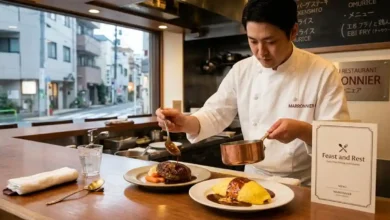
The New Frontier of Corporate Lunch Delivery Services
Corporate dining has transitioned far beyond simple boardroom platters and predictable sandwich trays. In 2026, corporate lunch delivery services represent a primary growth engine for major food technology platforms adapting to hybrid work patterns. As offices across commercial districts like Midtown Manhattan, the City of London, and Downtown Chicago consolidate their physical footprints, the demand for flexible, reliable corporate dining trends 2026 has surged. Companies increasingly view high-quality office catering management tools as an essential employee engagement strategy rather than a simple perk.
The strategic shift toward corporate dining is driven by changing workplace expectations. Modern teams expect diverse culinary options, catering to precise dietary preferences ranging from plant-based fine dining to authentic regional cuisines. To meet this demand, platforms are actively refining their B2B restaurant catering platforms to bridge the gap between premier local eateries and corporate client accounts.
+-----------------------------------------------------------------------------------+
|                     Modern Workplace Dining Landscape (2026)                      |
+-----------------------------------------------------------------------------------+
| Driver                   | Operational Impact                                     |
+--------------------------+--------------------------------------------------------+
| Hybrid Work Models       | Variable daily headcounts require flexible order windows|
| Culinary Diversity       | Individual dietary customization within group orders   |
| Tech-Driven Logistics    | Real-time driver tracking & scheduled group drop-offs  |
+-----------------------------------------------------------------------------------+
This evolution relies heavily on intelligent office food logistics software capable of managing complex, large-scale order fulfillment during peak lunch windows without disrupting daily restaurant kitchen operations.
Strategic Consolidation: B2B Restaurant Catering Platforms
The recent industry momentum surrounding the Uber Eats catering expansion highlights a larger movement toward consolidating specialized enterprise platforms. Industry chatter regarding ezCater acquisition news 2026 reflects how legacy delivery giants are seeking established B2B infrastructure to service high-value corporate accounts. Acquiring or expanding deep enterprise relationships allows general consumer platforms to instantly tap into established corporate logistics networks.
Enterprise catering demands higher operational precision than standard direct-to-consumer delivery. A late or incomplete consumer delivery affects a single household; a delayed corporate order impacts a fifty-person executive seminar or client workshop.
                         ┌──────────────────────────┐
                         │   Corporate Dining Client│
                         └────────────┬─────────────┘
                                      │
                                      ▼
                        ┌────────────────────────────┐
                        │ Integrated Business Account│
                        └─────────────┬──────────────┘
                                      │
       ┌──────────────────────────────┴──────────────────────────────┐
       ▼                                                             ▼
┌─────────────────────────────┐               ┌─────────────────────────────┐
│ Large-Format Kitchen Prep   │               │ Group Logistics & Timed Drop│
└─────────────────────────────┘               └─────────────────────────────┘
By leveraging established business networks, platforms offer restaurants guaranteed, high-ticket order volumes booked days or weeks in advance. Based on available information, these advance bookings allow kitchen teams to optimize ingredient sourcing, manage prep labor, and smooth out standard lunch rushes.
Technology Infrastructure & Office Food Logistics Software
Managing large-scale office orders requires dedicated software solutions engineered specifically for group ordering dynamics. Modern Uber Eats business accounts integrate administrative control panels where office managers can set per-person budgets, restrict ordering windows, and consolidate monthly invoicing across departments.
       ┌────────────────────────────────────────────────────────┐
       │             Office Catering Management Tools           │
       └───────────────────────────┬────────────────────────────┘
                                   │
      ┌────────────────────────────┼────────────────────────────┐
      ▼                            ▼                            ▼
┌───────────┐                ┌───────────┐                ┌───────────┐
│ Budgeting │                │ Custom    │                │ Centralized│
│ Controls  │                │ Links     │                │ Invoicing │
└───────────┘                └───────────┘                └───────────┘
These office catering management tools streamline what was historically a tedious process:
Individual Choice within Group Orders: Employees receive unique ordering links to select their meal within company-set price caps.
Dietary Tagging & Allergen Isolation: Automated sorting isolates gluten-free, vegan, or nut-free orders, ensuring clear labeling on final packaging.
Centralized Billing & Expense Integration: Direct API connections to corporate expense software eliminate individual employee reimbursement requests.
Precision Logistics Scheduling: Advanced routing software assigns dedicated delivery drivers accustomed to navigating complex office towers, loading docks, and security checkpoints.
According to current details, these integrated software features significantly reduce administrative friction for corporate office managers while ensuring food arrives at optimal serving temperatures.
Restaurant Adaptation & Kitchen Logistics
For partner restaurants, catering fulfillment presents both significant opportunities and distinct operational challenges. Transitioning from individual plated service to scalable group delivery requires deliberate menu engineering and kitchen workflow adjustments. Prominent culinary groups in culinary hubs like San Francisco’s Financial District or Tokyo’s Marunouchi district are restructuring secondary prep lines specifically focused on B2B orders.
High-performing catering menus intentionally prioritize items that hold temperature and texture over extended transit times. As currently reported across industry analysis, top-performing corporate catering categories include:
Modular Grain Bowls: Layered ingredients that maintain structural integrity and freshness.
Braised Meats & Stews: Proteins that preserve moisture and flavor balance during re-heating or extended holding windows.
Deconstructed Tacos & Wraps: Separately packaged sauces and fresh greens to prevent sogginess.
Slow-Baked Artisanal Trays: Bakery items crafted for easy individual portioning without requiring specialized serving tools.
+-----------------------------------------------------------------------------------+
|                        Key Menu Logistics Considerations                          |
+-----------------------------------------------------------------------------------+
| Operational Focus        | Best Practice Standard                                 |
+--------------------------+--------------------------------------------------------+
| Packaging Design         | Insulated, recyclable containers with steam vents     |
| Timing Buffer            | Staggered prep windows 45 minutes prior to courier pick|
| Temperature Stability    | Separation of cold produce and hot protein elements    |
+-----------------------------------------------------------------------------------+
Culinary Quality & Michelin-Recognized Catering
A striking shift in corporate dining trends 2026 is the involvement of premium, chef-driven concepts entering the corporate catering space. Modern businesses are increasingly looking beyond standard sandwich boxes, choosing instead to partner with Michelin-recognized eateries and award-winning local bistros for elevated workplace events.
              ┌──────────────────────────────────────────┐
              │    Modern Corporate Culinary Demand      │
              └────────────────────┬─────────────────────┘
                                   │
         ┌─────────────────────────┴─────────────────────────┐
         ▼                                                   ▼
┌─────────────────────────────────┐         ┌─────────────────────────────────┐
│   Elevated Culinary Experience  │         │  Operational Standardization    │
│  - Michelin-starred partnerships│         │  - Temperature-stable recipes   │
│  - Chef-curated seasonal menus  │         │  - Modular portion control      │
│  - Regional artisanal ingredients│        │  - Eco-conscious packaging      │
└─────────────────────────────────┘         └─────────────────────────────────┘
Notable chefs are redesigning signature dishes specifically for high-volume delivery logistics. By balancing refined technique with durable ingredients—such as substituting delicate emulsion sauces with robust herb oil drizzles or aged glazes—high-end kitchens can deliver authentic fine-dining flavor profiles to corporate conference rooms.
This movement democratizes access to exceptional cooking, allowing office teams to experience celebrated regional cuisine during mid-day meetings without leaving their facilities.
Group Food Delivery Solutions: Comparison & Positioning
When evaluating group food delivery solutions, enterprise clients weigh several distinct fulfillment models depending on their operational scale, office location, and frequency of use.
For small-to-midsize teams, individualized delivery links provide the highest balance of culinary freedom and cost control. Large enterprises often combine scheduled platter setups for department-wide town halls with individual allowance allowances for remote or hybrid employees visiting regional offices.
Key Highlights & Practical Setup
For enterprise administrative leads and executive assistants evaluating new platform integrations, setting up corporate delivery channels involves several clear steps.
Practical Implementation Steps
Establish Enterprise Account Hierarchy: Define administrative access levels, payment profiles, and automated spend caps across departments.
Curate Local Preferred Vendor Lists: Identify neighborhood restaurants capable of handling mid-day volume while maintaining quality standards.
Set Delivery Logistics Protocols: Specify clear loading dock entrances, freight elevator access times, and security sign-in guidelines within order notes.
Schedule Recurring Order Windows: Lock in weekly or monthly team lunches well in advance to secure preferred kitchen prep slots during peak hours.
+-----------------------------------------------------------------------------------+
|                        Corporate Dining Setup Checklist                           |
+-----------------------------------------------------------------------------------+
| Step 1: Define Departmental Budgets & Spending Limits                              |
| Step 2: Establish Preferred Local Restaurant Networks                             |
| Step 3: Configure Automated Expense System Direct Integration                     |
| Step 4: Outline Clear Building Delivery & Security Protocol                       |
+-----------------------------------------------------------------------------------+
Practical Dining Advice for Corporate Teams
To maximize quality when utilizing enterprise meal solutions, scheduling and dish selection play pivotal roles. Requesting delivery slots 15 to 20 minutes prior to planned meeting start times provides a safety buffer for security check-ins without letting hot dishes lose ideal temperature balance.
When building shared menus, prioritizing dishes with natural moisture retention—such as coconut-based curries, braised short ribs, slow-roasted Mediterranean grains, and hearty root vegetable salads—ensures food retains its intended sensory attributes even if meetings run slightly past schedule.
Editorial Reflection
As workplace culture continues to adapt, the intersection of tech logistics and culinary craft will define the future of corporate dining. The evolution of corporate delivery services transforms the routine office lunch into an engaging, high-quality dining moment, supporting local culinary talent while providing modern workplaces with flexible, reliable dining solutions.
Source Context & Data Notes
Data Sources: Synthesized from public industry insights, corporate food delivery announcements, platform technology updates, and general B2B food service trends.
Limitations: Specific acquiring agreements, enterprise pricing structures, and regional menu availability are subject to ongoing corporate updates and local market rollouts.
Generalization Note: Platform feature configurations, driver logistics workflows, and administrative account capabilities are generalized to reflect broader industry-standard enterprise software solutions.