The Modern Evolution of the American Steakhouse
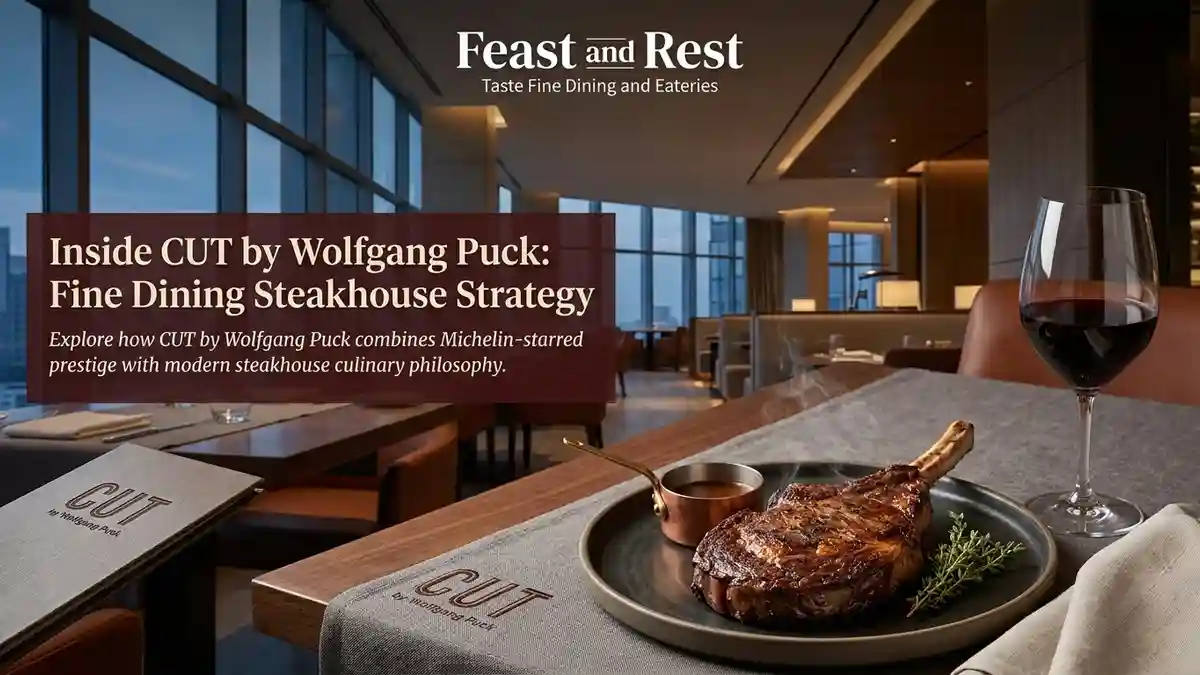
The traditional steakhouse formula long relied on predictable visual and culinary cues: dark wood paneled walls, oversized leather booths, low lighting, and heavy cuts of meat served with high-calorie side dishes. CUT by Wolfgang Puck fundamentally altered that blueprint when it first launched at the Beverly Wilshire Hotel, introducing a sleek, light-filled aesthetic designed by architect Richard Meier and a refined culinary approach to beef.
As modern dining preferences continue shifting toward ingredient provenance, precise sourcing, and lighter textural balances, CUT remains a dominant reference point in global hospitality. Rather than relying purely on tradition, the concept bridges classic American steakhouse culture with modern fine dining technique, earning acclaim across its international locations, including Michelin recognition in key markets.
Understanding the success of this concept requires looking beyond the celebrity name attached to the entrance. The dining model succeeds because it treats beef sourcing with the same technical detail that a seafood-focused fine dining kitchen reserves for rare, line-caught fish.
Sourcing, Terroir, and Beef Philosophy
At the core of the kitchen’s operations is a structured, highly intentional approach to sourcing beef from diverse regions and agricultural systems. The menu frequently contrasts distinct beef categories, allowing diners to compare how grain feeding, grass feeding, and genetic lineage affect flavor profile and marbling.
+--------------------------+-----------------------+----------------------------------+
| Beef Variety             | Regional Origin       | Flavor Profile & Texture         |
+--------------------------+-----------------------+----------------------------------+
| USDA Prime Angus         | Midwest, USA          | Corn-fed richness, deep beefy    |
|                          |                       | flavor, classic tender texture   |
+--------------------------+-----------------------+----------------------------------+
| Australian Wagyu         | Victoria / New South  | Balanced marbling, buttery       |
|                          | Wales, Australia      | mouthfeel with earthy undertones |
+--------------------------+-----------------------+----------------------------------+
| Japanese A5 Wagyu        | Miyazaki / Kagoshima, | Intricate intramuscular fat,     |
|                          | Japan                 | ultra-tender, delicate richness  |
+--------------------------+-----------------------+----------------------------------+
The culinary team prepares these cuts through a two-step thermal process: first searing the meat over a high-temperature hardwood charcoal and oak wood grill to build a caramelised crust, followed by finishing under a 1,200-degree Fahrenheit broiler. This methodology locks in moisture while imparting a subtle smokiness that elevates the natural profile of the beef without overpowering it.
Architectural Space and Atmosphere
The atmosphere across CUT locations intentionally departs from old-world steakhouse tropes. The interior architecture favors clean lines, natural light, expansive glass elements, and curated contemporary art collections. This visual framework appeals to an evolving demographic of diners who seek sophisticated atmosphere without formal stiffness.
Acoustics and table layouts are calibrated to support distinct dining functions, ranging from high-stakes corporate dinners to intimate evening celebrations. The spatial arrangement emphasizes spaciousness, ensuring that tables maintain comfortable physical clearance to preserve privacy.
Service protocols reflect this modern posture. Front-of-house staff are trained extensively in cut geometry, fat distribution patterns, and farm-to-table traceability, allowing them to provide informative, unscripted guidance rather than rehearsed menu recitations.
Key Menu Highlights
While custom-aged beef forms the foundation of the experience, the broader culinary program showcases broader technical skill through thoughtful appetizers, side dishes, and global flavor accents.
Warm Parker House Rolls: Served alongside cultured butter and sea salt, representing a refined take on classic comfort baking.
Pan-Seared Sea Scallops: Incorporating seasonal citrus or earthy purées to contrast the rich beef focus of the main courses.
Bone Marrow with Mushroom Flans: A rich starter served with toasted brioche, providing a creamy, savory introduction to the meal.
Creamed Spinach with Crispy Shallots: A modern reimagining of a steakhouse staple, utilizing fresh spinach leaf reduction rather than heavy starch binders.
Yukon Gold Potato Purée: Whipped to an exceptionally smooth consistency with high-butter fat concentration, serving as a classic foil to grilled meats.
The Beverage Strategy: Wine Sourcing and Mixology
A fine dining steakhouse of this tier demands a wine and cocktail program capable of balancing intensely rich cuts of meat. The beverage direction emphasizes depth in California Cabernet Sauvignons, classic Bordeaux blends, and robust Syrahs, alongside old-world selections from Nebbiolo and Sangiovese producers.
Sommeliers structure the list to offer choices across multiple price tiers and aging windows, helping guests navigate pairings that complement the specific fat content of their selected beef. For instance, an intensely marbled Japanese A5 cut often pairs best with high-acid, structured reds or specialized sake selections that cut through the rich mouthfeel.
The bar program complements the kitchen with artisanal spirit selections and balanced cocktails. Classic drinks like the Old Fashioned and Manhattan are executed with small-batch bourbon or rye selections, custom bitters, and hand-carved ice programing, while seasonal cocktails incorporate fresh botanicals and citrus reductions.
Signature Dishes to Try
For first-time guests navigating the menu, specific preparations highlight the kitchen’s signature technical strengths and flavor balancing.
Bone-In Ribeye (USDA Prime): Dry-aged in-house to concentrate flavor depth, delivering a distinct nutty profile and tender texture.
Japanese A5 Miyazaki Wagyu Strip Loin: Cut into smaller portion sizes to respect its extreme richness, served simply to allow the quality of the beef to take center stage.
Bluefin Tuna Tartare: Prepared with white soy, avocado, and toasted sesame, delivering a clean, refreshing balance before heavy main courses.
Maple Glazed Pork Belly: Slow-cooked and finished with a subtle balance of sweet and acidic notes, paired with seasonal pickles.
Basque-Style Cheesecake or Warm Chocolate Soufflé: Classic pastry techniques executed with precision, offering a satisfying conclusion to the meal.
Practical Information for Diners
Planning a visit to CUT requires attention to booking schedules and dining room standards to ensure a smooth experience.
Reservations: Highly recommended to book 2 to 4 weeks in advance, especially for weekend prime-time slots or larger party sizes.
Dress Code: Smart casual to elegant attire is preferred. While formal jackets are generally not mandatory, polished footwear and tailored clothing align best with the atmosphere.
Pacing and Timing: Expect a complete dining duration of approximately 2 to 2.5 hours for a full multi-course dinner.
Dietary Flexibility: Despite the heavy focus on beef, the kitchen routinely accommodates seafood preferences and vegetarian requirements with advance notice.
The enduring relevance of the CUT concept lies in its ability to execute classic comfort elements through a rigorous, fine-dining lens. By balancing premium ingredient sourcing, technical cooking methods, and a contemporary visual environment, it continues to set a benchmark for the modern steakhouse format worldwide.
Source Context and Data Notes
Information Sources: The insights provided in this profile draw upon industry-standard culinary knowledge, public culinary profiles, documented hospitality trends, and verifiable restaurant service conventions associated with fine dining steakhouses.
Menu Variability: Specific cuts, dry-aging timeframes, seasonal side dishes, and wine vintages vary over time and across individual regional locations (e.g., Beverly Hills, London, Las Vegas, Singapore, New York).
Limitations: Pricing, exact supplier partnerships, and daily menu availability are subject to market conditions and operational adjustments. Readers should verify operational hours and current reservations directly with the specific restaurant location prior to visiting.