A new tier of distinction is reshaping how discerning travelers evaluate the world’s finest accommodations. Historically, star ratings and annual accolades provided a temporary snapshot of a property’s appeal. However, the introduction of the Triple Crown luxury hotels 2026 collective marks a shift toward celebrating sustained, multi-decade excellence rather than fleeting trends.
To achieve this rare status, a property must secure a spot on three of the industry’s most demanding benchmarks: the Hot List for exceptional debuts, the Gold List for curated editorial favorites, and the Readers’ Choice Awards for sustained traveler satisfaction. This means the honored venues have successfully translated initial design excitement into decades of reliable, high-end hospitality. For global travelers seeking flawless execution, understanding what makes these locations special is the key to planning unforgettable stays.
Defining the Standard of Triple Crown Luxury Hotels 2026
The hospitality landscape is filled with yearly awards, but few recognize the grueling work of maintaining elite standards over 20 or 30 years. The Triple Crown luxury hotels 2026 designation highlights properties that have consistently bridged the gap between critical editorial acclaim and real-world guest satisfaction. According to industry reports, fewer than 400 properties globally meet these strict criteria out of the thousands that open each decade.
By requiring validation from both professional travel editors and regular paying guests, the collection filters out short-lived design fads. The focus remains squarely on operational precision, timeless architecture, and intuitive service that adapts to changing traveler needs without losing its core identity.
Historic Palaces and Waterfront Masterpieces
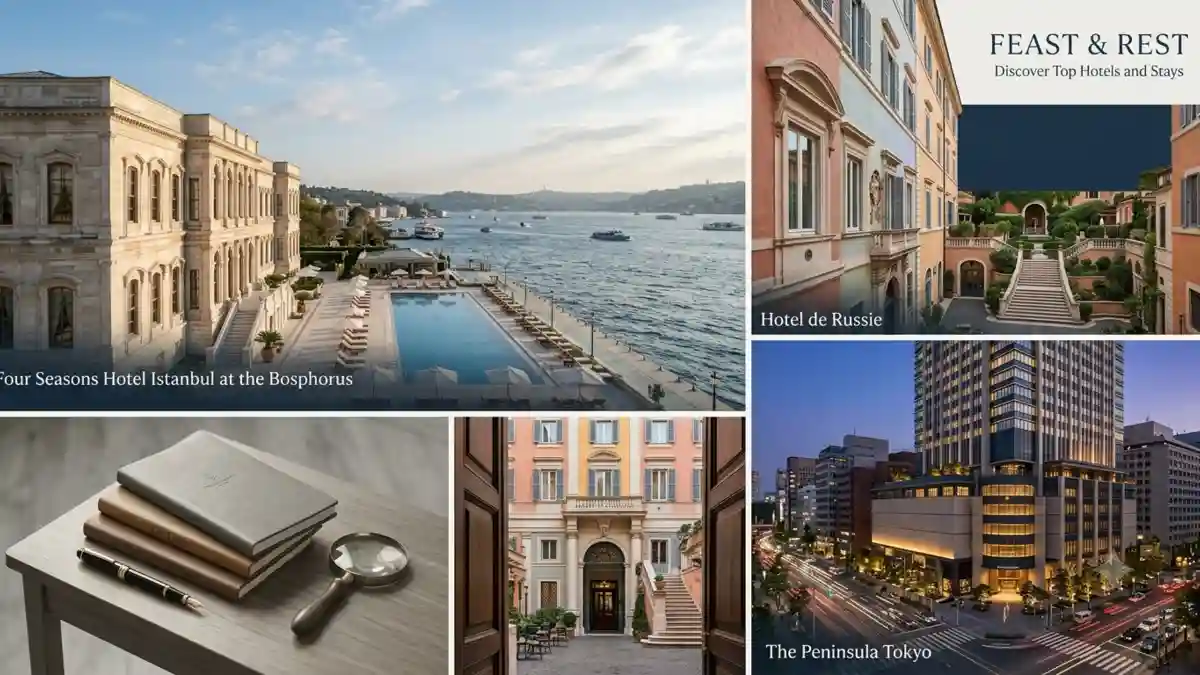
A defining characteristic of many properties within the Triple Crown luxury hotels 2026 collective is their ability to preserve local heritage while providing modern comforts. A prime example is the Four Seasons Hotel Istanbul at the Bosphorus. Nestled directly on the scenic waterfront, this meticulously restored 19th-century Ottoman palace provides a masterclass in adaptive architecture.
Guests here experience a stark contrast between the bustling energy of Istanbul and the serene, expansive views of the strait. Based on available information, the property’s inclusion in the collection stems from its flawless integration of historic grandeur with the high-tech amenities modern luxury business and leisure travelers expect.
Further inland, its sister property, the Four Seasons Hotel Sultanahmet, offers a starkly different but equally prestigious environment. Housed in a century-old neoclassical prison building, it provides an intimate oasis just steps away from legendary landmarks like the Hagia Sophia and the Blue Mosque. The architectural conservation allows travelers to live within history without sacrificing contemporary comforts.
Urban Refinement Across Global Hubs
While historic conversions capture the imagination, modern architectural triumphs in dense urban centers form another vital pillar of the Triple Crown luxury hotels 2026 ecosystem. The Peninsula Hotels portfolio has demonstrated an exceptional ability to maintain this balance, with five of its global properties securing the accolade this year.
The Peninsula Tokyo stands as an architectural beacon in the historic Hibiya district, directly opposite the Imperial Palace. Its design honors traditional Japanese seasonal aesthetics while incorporating advanced, proprietary in-room technology that simplifies lighting, climate control, and entertainment.
Similarly, across the Pacific, The Peninsula Chicago brings a refined, European-style grand hospitality to the heart of the energetic Magnificent Mile. For business executives and luxury shoppers alike, these urban outposts serve as predictable havens where the service culture is deeply synchronized with the pace of the host city.
Hidden Courtyards and Secret Gardens in Europe
In dense European capitals, luxury is often defined by physical space and privacy. Properties that have achieved the Triple Crown luxury hotels 2026 standard in these markets typically feature architectural elements that insulate guests from the urban rush outside.
The iconic Hotel de Russie in Rome, a Rocco Forte hotel, illustrates this design philosophy perfectly. Situated between the Spanish Steps and Piazza del Popolo, the property is famous for its tiered Secret Garden. This expansive Mediterranean courtyard provides an unexpected sanctuary filled with rose bushes, orange trees, and mature pine trees.
+-------------------------------------------------------------+
|               THE ANATOMY OF A TRIPLE CROWN STAY             |
+-------------------------------------------------------------+
|                                                             |
|   [THE HOT LIST] ---------> Initial Design & Innovation     |
|                                     │                       |
|                                     ▼                       |
|   [THE GOLD LIST] --------> Long-term Editorial Approval    |
|                                     │                       |
|                                     ▼                       |
|   [READERS' CHOICE] -------> Flawless Real-World Execution  |
|                                                             |
+-------------------------------------------------------------+
Further north, the Hotel Savoy in Florence mirrors this dedication to local craftsmanship. Located on the historic Piazza della Repubblica, the hotel collaborates with local fashion houses and traditional Tuscan artisans to ensure its textiles, furniture, and artwork reflect true Florentine culture rather than generic international luxury.
Remote Sanctuaries and Cultural Preservation
True luxury is not confined to major metropolitan capitals. Some of the most impressive entries in the Triple Crown luxury hotels 2026 directory are remote resorts that support delicate local ecosystems and heritage.
On the dramatic lava fields of Hawaii’s Kona Coast, the Four Seasons Resort Hualalai celebrates three decades of operation by continually evolving. Following a substantial 100 million dollar physical investment, the property introduced upgraded multi-bedroom villas and a unique marine educational center centering on an on-site carving pond carved from natural volcanic rock.
Meanwhile, in the Caribbean, Tortuga Bay Puntacana in the Dominican Republic offers an entirely different style of coastal privacy. As reportedly the only hotel interior completely designed by the late Oscar de la Renta, the property mixes low-key beachfront living with strict environmental stewardship across its private 1,500-acre ecological reserve.
Signature Experiences Across the Collection
What truly sets these properties apart from standard luxury offerings are the highly specialized amenities and curated experiences designed for specific traveler profiles. Whether you are traveling as a multi-generational family or on an intimate couples’ retreat, these elements ensure your time is spent meaningfully.
Key Amenities and Highlights at a Glance
Four Seasons Istanbul at the Bosphorus: A heated outdoor waterfront pool running parallel to the shipping lanes, alongside an authentic, hand-carved marble Turkish Hamam.
The Peninsula Tokyo: A fleet of custom-restored vintage Rolls-Royce Phantoms available for private, chauffeured airport transfers.
Hotel de Russie (Rome): The Stravinskij Bar, an open-air courtyard cocktail destination where local Roman elites mingle with international guests.
Four Seasons Resort Hualalai: King’s Pond, a 1.8-million-gallon swimmable aquarium home to thousands of tropical fish and a dedicated team of marine biologists.
Tortuga Bay Puntacana: Exclusive VIP immigration access at Punta Cana International Airport, allowing guests to bypass public customs queues entirely.
Practical Planning Tips for Your Next Stay
Securing a reservation at a property within the Triple Crown luxury hotels 2026 collection requires a strategic approach, particularly given their heightened visibility this year. Because these venues rely on repeat clientele who book years in advance, room availability for prime seasons is structurally limited.
Best Times to Book
For European city icons like Rome and Florence, shoulder seasons—specifically April to May and late September to October—offer pleasant walking weather and lower tourist crowds. For remote getaways like Hawaii or the Red Sea coast, booking at least six to eight months ahead is advisable if you plan to travel during school breaks or festive winter periods.
Transportation and Arrival
Maximize the built-in benefits of these properties by coordinating your arrival directly with their concierge teams. Many of these elite venues provide complimentary or priority airport fast-track services that dramatically reduce travel stress, turning a chaotic arrival into a smooth transition to your suite.
Stay sharp with Feast and Rest.
Source and Data Limitations
Inaugural Collection Data: The information regarding the specific criteria and property listings for the Triple Crown award is based on official press releases and editorial announcements published by Condé Nast Traveler and participating luxury hotel groups in June 2026.
Renovation and Timing Timelines: Details surrounding capital projects, such as the 100 million dollar renovation at Four Seasons Hualalai, reflect completed and verified developments up to mid-2026.
Exclusions: Speculative future property openings, unconfirmed pricing structures, and unverified rumors regarding upcoming leadership changes across the respective hotel brands were intentionally omitted to preserve editorial accuracy.