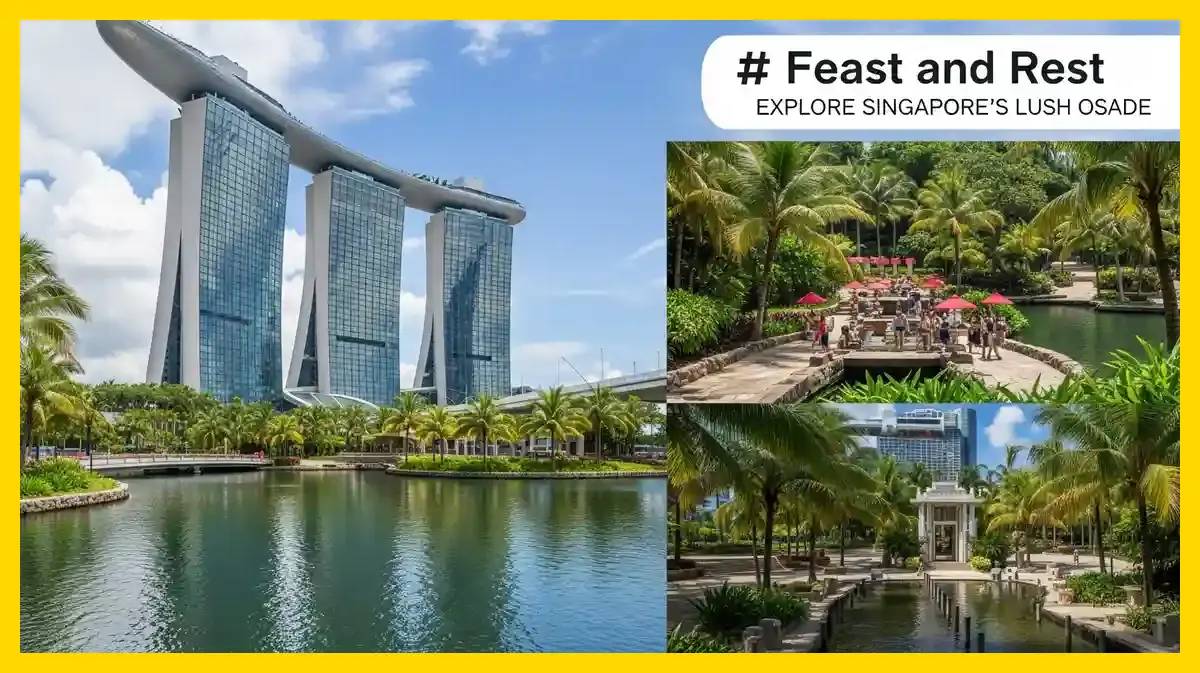
Introduction: First Steps into the Verdant Heart of Singapore Botanic Gardens
Stepping through the gates of Singapore Botanic Gardens, visitors often find themselves enveloped by a canopy of mature trees and the subtle rustle of leaves in the tropical breeze. The air carries faint scents of blooming orchids and earthy soil, while paths wind past tranquil ponds and heritage structures, creating a space that blends nature with historical layers. Established in 1859, this 82-hectare expanse stands as a testament to Singapore’s commitment to preserving tropical biodiversity amid urban growth, earning its status as a UNESCO World Heritage Site in 2015—the first and only tropical botanic garden on the list.
At its core, Singapore Botanic Gardens serves as a living archive of plant life, showcasing collections that highlight the region’s ecological and cultural significance. It draws those interested in botanical history, from the introduction of rubber trees that shaped global economies to hybrid orchids symbolizing national identity. The gardens’ informal English Landscape style, adapted to equatorial conditions, provides a calm contrast to the surrounding city, with open lawns, shaded trails, and water features inviting quiet exploration. This destination guide emphasizes cultural tourism through its ethnobotanical displays and heritage elements, appealing to travelers seeking immersion in traditions tied to plants and landscapes.
Ideal for nature enthusiasts, families, and cultural explorers, the gardens offer opportunities for reflective walks, educational insights, and sensory connections to tropical flora. Whether tracing the evolution of horticultural practices or simply observing wildlife amid the greenery, visitors can experience a slice of Singapore’s heritage sites in a setting that encourages thoughtful engagement. As a hub for global festivals of botany and conservation, it inspires a deeper appreciation for how plants intertwine with human stories, making it a cornerstone for those planning trips focused on authentic heritage experiences.
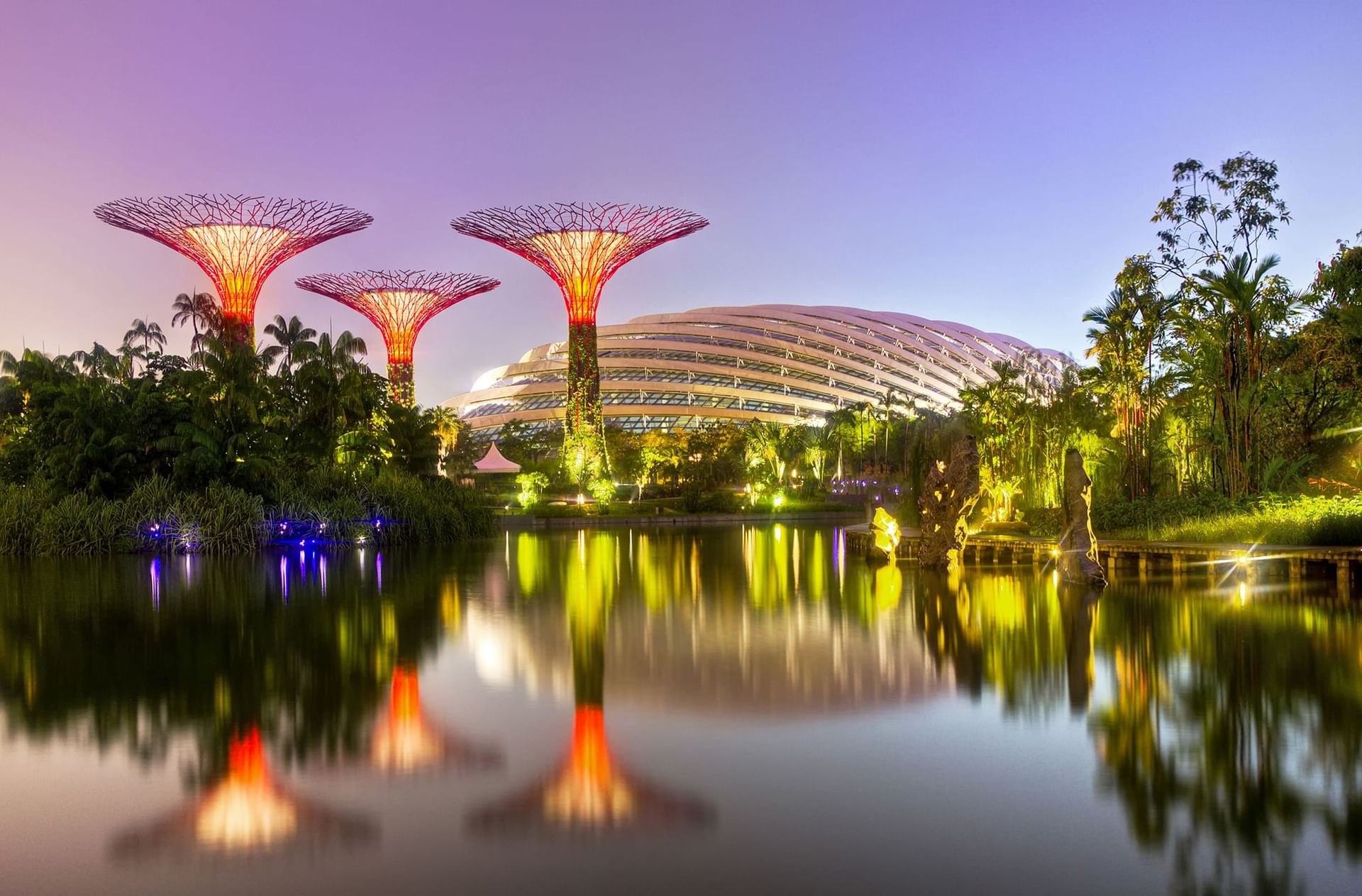
The Soul of Singapore Botanic Gardens: History, Culture, and Timeless Appeal
Singapore Botanic Gardens traces its origins to the mid-19th century, when an Agri-Horticultural Society developed the site in 1859 at Tanglin, building on earlier efforts by Sir Stamford Raffles in 1822 to cultivate economic crops. Handed over to the colonial government in 1874, the gardens evolved from an ornamental space with roads, terraces, and even a small zoo into a center for botanical research and conservation. Key figures like botanists from London’s Kew Gardens influenced its design, introducing the informal English Landscape Movement adapted to the tropics—characterized by undulating lawns, clustered plantings, and naturalistic water bodies that harmonize with the equatorial climate.
Culturally, the gardens hold deep significance in Singapore’s identity, particularly through their role in advancing orchid hybridization and rubber cultivation. In the late 19th century, experiments here helped establish rubber as a major export crop, transforming regional economies. Today, as a UNESCO site, it represents the fusion of scientific heritage and tropical ecology, with collections that reflect plants’ roles in traditional practices across Asia. The atmosphere remains one of serene vitality, where the constant humidity nurtures vibrant growth year-round, and seasonal rains enhance the lushness without drastic changes seen in temperate zones.
This enduring vibe positions Singapore Botanic Gardens as a bridge between past and present in global travel. Its evolution mirrors Singapore’s journey from colonial outpost to modern city-state, emphasizing sustainable integration of nature into urban life. Visitors often note the peaceful integration of cultural elements, such as displays linking plants to indigenous uses in medicine, food, and rituals. The gardens’ year-round accessibility underscores their role in everyday cultural immersion, fostering a sense of continuity amid the city’s rapid development.
Iconic Landmarks and Hidden Treasures: Key Spots in Singapore Botanic Gardens
Singapore Botanic Gardens features a mix of prominent attractions and quieter corners, each contributing to its botanical and cultural narrative. Major landmarks draw attention for their scale and historical value, while hidden spots offer intimate glimpses into specialized collections.
- National Orchid Garden: Home to over 1,000 species and 2,000 hybrids, this area showcases Singapore’s national flower in themed zones, including a cool house simulating montane conditions. The displays highlight orchids’ cultural symbolism in diplomacy and heritage, with pathways leading past cascading waterfalls and vibrant blooms that evoke sensory delight through color and fragrance.
- Rainforest Trail: A preserved patch of original tropical rainforest, this trail winds through dense foliage with towering trees and ferns, illustrating the biodiversity that once covered much of Singapore. It provides an educational look at native ecosystems, complete with interpretive signs on flora’s ecological roles.
- Ginger Garden: Focused on the Zingiberaceae family, this section features over 250 ginger species amid a waterfall and pond setting. The plants’ bold leaves and exotic flowers connect to culinary and medicinal traditions in Asian cultures, offering a fragrant exploration of ethnobotany.
- Palm Valley and Symphony Lake: This open expanse with a central lake serves as a venue for occasional outdoor events, surrounded by diverse palm species. The valley’s gentle slopes and water reflections create a contemplative space, echoing the gardens’ historical band parade areas.
- Jacob Ballas Children’s Garden: Designed for young visitors, it includes interactive zones like a treehouse, water play areas, and educational exhibits on plant life cycles. This spot emphasizes family-oriented cultural learning through hands-on activities tied to nature.
Among lesser-known gems, the Bandstand stands as a heritage structure from 1930, an octagonal gazebo offering shade and a nod to colonial-era leisure. The Prisoner of War Steps, built during World War II, add a layer of historical reflection in a quiet corner. The Ethnobotany Garden reveals plants integral to traditional cultures of Southeast Asia, with displays on their uses in daily life. Hidden heritage trees, some over a century old, dot the landscape, providing secluded spots for observation. The Sundial Garden, with its red-brick paths and central sundial from 1866, offers a tranquil area amid ponds and sculptures, blending timekeeping history with ornamental plants.
These elements make Singapore Botanic Gardens a multifaceted site for cultural experiences, where each spot invites visitors to connect with botanical heritage through sight, sound, and subtle scents.
Cultural Immersion: Traditions, Activities, and Seasonal Events in Singapore Botanic Gardens
Singapore Botanic Gardens fosters cultural immersion through activities that link visitors to botanical traditions and community practices. Walking trails, such as the Ginger Garden Trail or Ethnobotany paths, allow for self-guided explorations that reveal plants’ roles in regional customs, from medicinal herbs to ritualistic uses in Southeast Asian societies. Birdwatching amid the diverse habitats draws observers to spot native species like kingfishers or hornbills, highlighting the gardens’ ecological harmony.
Educational programs, including guided heritage walks, provide insights into the site’s evolution and plant conservation efforts, emphasizing sustainable approaches that respect cultural contexts. Picnics on open lawns encourage relaxed engagement with the environment, mirroring local traditions of communal outdoor gatherings. For those interested in artistic expressions, sculptures scattered throughout integrate cultural motifs with natural forms, inviting reflection on human-nature relationships.
Seasonal events enhance this immersion, with flowering cycles bringing bursts of color—orchids peaking in various periods, or heritage trees shedding leaves subtly in response to monsoons. The gardens host exhibitions on botanical themes, showcasing hybrids or rare species that tie into broader Asian plant lore. Community-focused initiatives, like conservation workshops, underscore the site’s role in preserving traditions tied to flora, promoting mindful interaction with the environment.
These activities connect travelers to the gardens’ cultural fabric, where plants serve as threads in stories of heritage and everyday life. Sustainable practices, such as rainwater harvesting visible in certain areas, align with global efforts to maintain these spaces for future generations.
Traveler Notes: Tips for Exploring Singapore Botanic Thoughtfully
To make the most of a visit to Singapore Botanic Gardens, consider these practical insights tailored for cultural explorers and nature seekers.
- Optimal Seasons and Times: The tropical climate allows year-round visits, but mornings from 5 AM to 9 AM offer cooler temperatures around 24-28°C and fewer crowds. Dry periods between February and April or August and October provide pleasant conditions for trails, while monsoon months (November-January, May-July) bring lush growth but occasional showers—ideal for those who enjoy vibrant post-rain scenery.
- Navigation and Access: Enter via multiple gates, such as Tanglin or Nassim, accessible by MRT stations like Botanic Gardens. Walking routes connect key areas; start at the Visitor Centre for maps. Public transport integrates seamlessly, with bus stops nearby for easy arrival.
- Complementary Nearby Spots: Enhance the experience with adjacent areas like the Tyersall Gate leading to quieter paths, or short extensions to nearby parks for broader green immersion. Local markets outside the gardens offer glimpses of everyday Singaporean life, complementing the botanical focus.
- Suitability for Travelers: This destination suits those drawn to serene reflection, botanical education, and family outings, with accessible paths for most. It may feel expansive for visitors preferring compact sites, or humid for those unaccustomed to tropics—opt for shaded routes in such cases.
- Accessibility and Sustainability Features: Wheelchair-friendly paths cover major sections, with ramps and rest areas. Sustainability is evident in conservation zones and eco-friendly maintenance, encouraging visitors to stay on trails and avoid picking plants to preserve the heritage.
These tips support a respectful approach, aligning with the gardens’ emphasis on cultural and environmental stewardship.
Conclusion: Why Singapore Botanic Leaves a Lasting Impression
Singapore Botanic Gardens embodies a harmonious blend of historical depth, cultural richness, and natural tranquility, making it a standout among heritage sites for thoughtful travelers. Its UNESCO recognition underscores the global value of its tropical collections, from orchids symbolizing innovation to rainforests preserving ancient ecosystems. The site’s evolution reflects broader themes in cultural tourism, where plants narrate stories of human ingenuity and environmental coexistence.
This destination best serves explorers seeking quiet immersion in traditions and landscapes, offering spaces for reflection that enrich personal journeys. Families find educational joy in interactive areas, while solo visitors appreciate the solitude of hidden trails. Ultimately, the gardens inspire a renewed sense of connection to the natural world, inviting envisioning paths through verdant heritage that echo long after departure.