
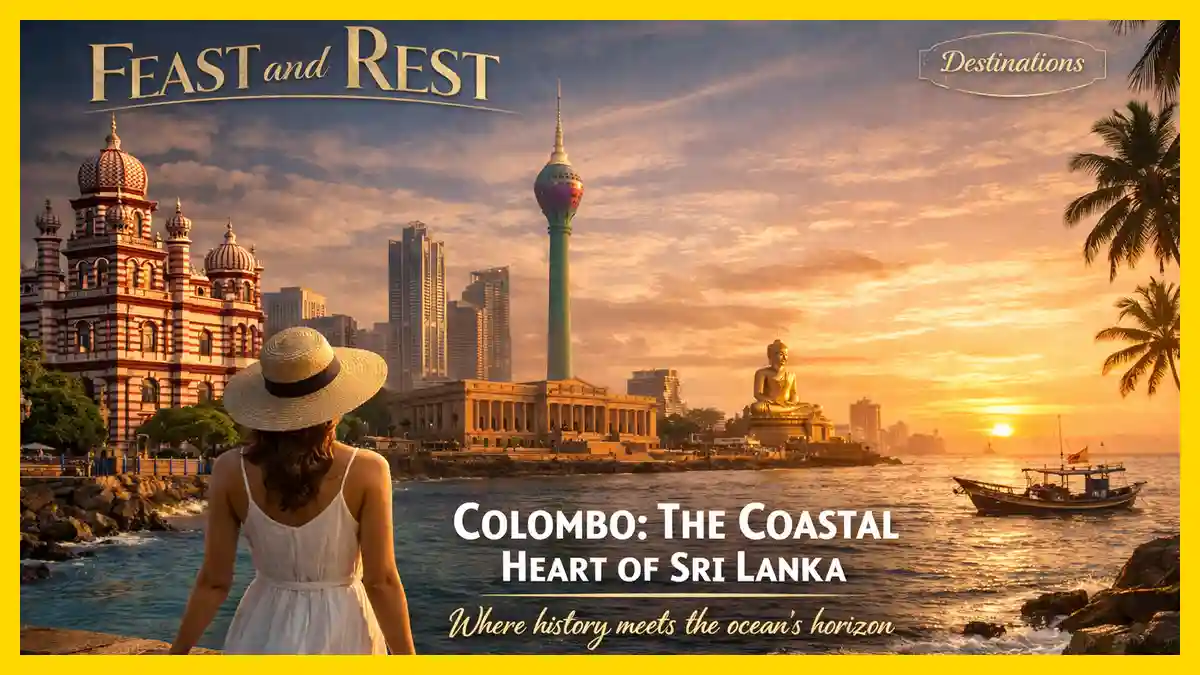
Immersing in the Multi-Layered Charm of Colombo
Arriving in Colombo often feels like stepping into a living montage of eras. The air is warm, thick with the scent of salt from the Laccadive Sea and the faint, earthy aroma of Ceylon cinnamon. As the commercial capital of Sri Lanka, Colombo serves as the primary gateway for cultural explorers, offering a sensory introduction to an island nation defined by resilience and diversity.
The city is not merely a transit point; it is a destination where the architecture tells stories of Portuguese, Dutch, and British influence, standing alongside ancient Buddhist temples and shimmering glass skyscrapers. For the traveler, Colombo offers a rhythmic contrast: the chaotic, vibrant energy of open-air bazaars balanced by the meditative silence of lakeside shrines. It is a city best suited for those who find beauty in complexity—history buffs, urban photographers, and travelers who appreciate a destination that refuses to be just one thing. This Colombo travel guide invites you to look beyond the surface, discovering a city that honors its past while leaning eagerly into the future.
The Soul of Colombo: History, Culture, and Enduring Vibe
To understand Colombo is to understand its geography. Situated on the west coast, its natural harbor made it a coveted prize for maritime traders for over two thousand years. Arab, Chinese, and Roman merchants once docked here, but it was the colonial period that most visibly reshaped the city’s identity. The Fort district, once a literal fortified enclosure, remains the symbolic heart of the city, though the walls have long since given way to stately Victorian buildings and administrative hubs.
The cultural fabric of Colombo is a tapestry of ethnicities and faiths. The coexistence of Sinhalese, Tamil, Muslim, and Burgher communities has created a social landscape where a mosque’s call to prayer might drift over the courtyard of a Dutch Reformed church, or the bells of a Kovil might ring near a Buddhist stupa. This pluralism is reflected in the city’s daily life—from the shared passion for cricket at the Galle Face Green to the communal celebrations of religious holidays.
Seasonally, Colombo transforms. During the monsoon months, the city takes on a lush, moody atmosphere as rain washes the dust from the banyan trees. In the drier months, the tropical sun illuminates the terracotta rooftops and the bright saris of pedestrians. Unlike some global capitals that feel manicured for tourism, Colombo feels authentic; it is a working city where heritage sites are integrated into the everyday commute of its residents.
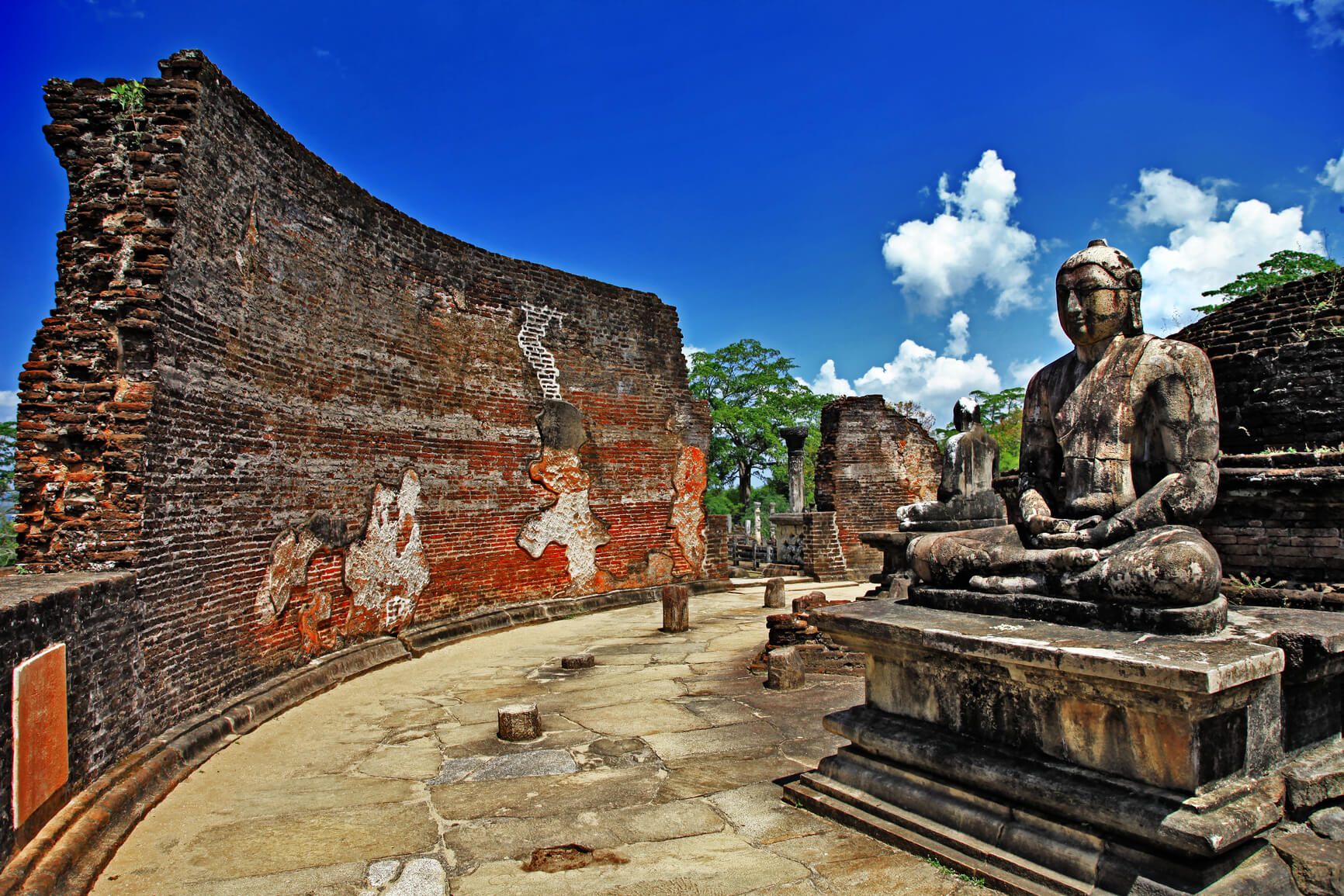
Iconic Landmarks and Hidden Treasures: Must-See Spots in Colombo
Exploring Colombo requires a willingness to wander. While the major sites provide historical context, the smaller corners reveal the city’s personality.
Gangaramaya Temple: Much more than a place of worship, this temple is a sprawling museum of eclectic artifacts. Located near Beira Lake, it features an extraordinary collection of stone carvings, brass gift items from international devotees, and a sacred Bo tree. Its architecture is a blend of Sri Lankan, Thai, Indian, and Chinese styles.
The Red Mosque (Jami Ul-Alfar): Located in the bustling Pettah district, this striking building is famous for its red-and-white striped brickwork. Built in 1908, its pomegranate-shaped domes make it one of the most photographed architectural wonders in the region.
Galle Face Green: A long stretch of oceanfront urban park that acts as the city’s “front porch.” It is the ideal spot to observe local life—families flying kites, joggers enjoying the sea breeze, and vendors serving street snacks as the sun sets over the Indian Ocean.
The National Museum of Colombo: Housed in a pristine white neo-Baroque building dating back to 1877, this museum holds the regalia of the Kandyan monarchs and provides a comprehensive look at Sri Lanka’s ancient civilizations.
Pettah Floating Market: A serene contrast to the nearby central markets, this pedestrian-friendly area consists of wooden walkways over the water, offering a quieter space to observe local handicrafts and daily commerce.
Dutch Hospital Shopping Precinct: Once an actual hospital during the 17th-century Dutch era, this restored courtyard is now a premier example of heritage preservation. Its thick walls and heavy wooden beams house high-end boutiques and dining spaces.
Viharamahadevi Park: The city’s largest green space, known for its flowering trees, fountains, and a massive golden Buddha statue. It provides a necessary lungs-of-the-city escape for those seeking a moment of quiet reflection.
Cultural Immersion: Festivals, Traditions, and Authentic Activities
Colombo is a city that celebrates out loud. The calendar is punctuated by vibrant displays of faith and community that offer deep insight into the Sri Lankan spirit.
The Radiance of Vesak
One of the most profound cultural experiences in Colombo is the festival of Vesak, which commemorates the birth, enlightenment, and passing of the Buddha. The city is transformed into a sea of light. Massive, intricate bamboo-and-paper lanterns (Vesak koodu) hang from every home, and “Pandols”—towering electrified displays depicting folk tales—become focal points for crowds. It is a time of immense generosity, where community stalls called dansalas offer free food and drink to any passerby, embodying the spirit of selfless giving.

The Rhythms of Perahera
Processions, or Peraheras, are central to the island’s heritage. In Colombo, the Navam Perahera is a spectacular sight. It features traditional Kandyan dancers, drummers, whip-crackers, and stilt-walkers. The rhythmic thumping of the drums and the synchronized movements of the dancers provide a visceral connection to ancient Sinhalese traditions that have been preserved for centuries.
The Market Culture of Pettah
For a true immersion in everyday Colombo, one must navigate the streets of Pettah. This is not a polished tourist market; it is the commercial engine of the city. Each street is dedicated to a specific trade—one for spices, another for textiles, another for electronics. The sensory experience is intense: the smell of dried chilies, the haggling of vendors, and the sight of “natamis” (porters) weaving through the crowds with incredible agility.
Traveler Notes: Tips for Exploring Colombo Thoughtfully
To fully appreciate Colombo, a traveler should approach it with patience and curiosity. Here is how to navigate the city with ease:
Optimal Timing: The best weather typically occurs between January and March, when the skies are clear and the humidity is more manageable. However, visiting during the shoulder seasons can offer a more peaceful experience at major landmarks.
Transportation Etiquette: The iconic three-wheeled “tuk-tuk” is the most practical way to traverse short distances. For a more scenic and air-conditioned perspective, the local rail system runs along the coast, providing stunning views of the waves crashing against the shore.
Respectful Visitation: When entering temples (Buddhist or Hindu), ensure your shoulders and knees are covered. It is customary to remove shoes and hats. Taking photos with your back turned to a Buddha statue is considered disrespectful.
Walking Routes: Start in the Fort area to admire the colonial architecture, then walk toward Galle Face Green as the evening approaches. This route captures the transition from the city’s historical past to its social present.
Suitability: Colombo is ideal for the cultural enthusiast and the urban explorer. Those looking for a purely tranquil beach resort experience may find the city’s pace a bit brisk, but for those who love “soulful” cities with deep history, it is indispensable.
Sustainability: Support the local economy by visiting the Good Market, a community-driven initiative that promotes organic produce and ethical crafts from local artisans.
Why Colombo Inspires Lasting Memories
Colombo is often described as a city of contrasts, but that label barely scratches the surface. Its true beauty lies in the way it balances the weight of its history with a restless, optimistic energy. It is a place where you can find a centuries-old banyan tree growing through a colonial brick wall, and where a quiet morning walk through a temple can be followed by the exhilarating chaos of a spice market.
For the traveler, Colombo offers more than just a list of sights; it offers a feeling of genuine hospitality. Whether it is a conversation with a street vendor or the shared silence of a sunset at the Galle Face Green, the city leaves a mark on those who take the time to listen to its stories. It is a destination that rewards the observant, offering a profound look at the heritage and traditions that continue to shape Sri Lanka today. As you depart, you carry with you not just photographs of red mosques and golden Buddhas, but the vibrant, enduring pulse of the Indian Ocean’s most storied port.




I am sure this article has touched all the internet visitors,
itss really really nice piece of writing on building up new blog. http://boyarka-inform.com/
Disfrutar de un casino con retiro instantáneo aporta una sensación de
mayor fluidez. Para numerosos jugadores, contar con cobros
casi inmediatos hace todo más agradable. Igualmente, los sistemas financieeros modernos ayudan a mantener todo bajo control.
Con instrucciones claras y navegación intuitiva, todo
resulta más eficiente.
Feel free to visit my webpage website