

Turkish coffee is an iconic artisanal coffee that captivates with its bold flavor, velvety foam, and deep cultural roots. Brewed unfiltered for a rich, intense taste, this local beverage has been a symbol of hospitality for centuries. Recognized by UNESCO as an Intangible Cultural Heritage in 2013, Turkish coffee embodies local drink traditions that bring people together over conversation and ritual.
For travelers seeking authentic culinary tourism, sipping Turkish coffee in a historic café is a must-try experience. Whether enjoyed plain or sweetened, it enhances foodie travel by connecting you to centuries-old customs. In this guide, we’ll explore its history, share an authentic Turkish coffee recipe, and reveal why it’s essential for any exploration of local beverages.
Cultural Significance of Turkish Coffee
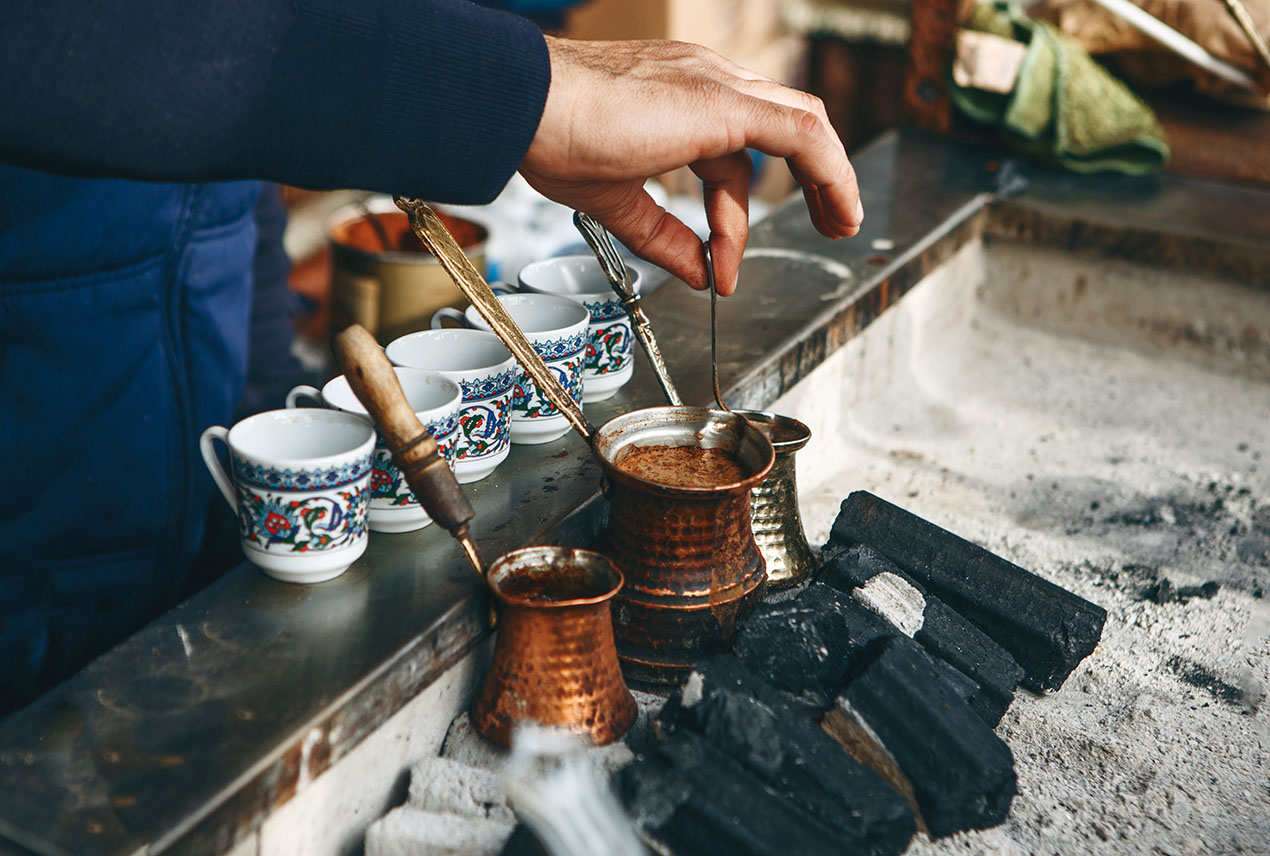
The story of Turkish coffee begins in the 16th century when coffee beans from Yemen arrived in the Ottoman Empire. Introduced to Istanbul around 1540, it quickly became a social staple. The Ottomans perfected the brewing method—finely grinding beans and simmering them in a special pot—creating what we now know as Turkish coffee.
Coffeehouses sprang up across Istanbul in the 1550s, becoming hubs for intellectual discussion, poetry, and community. These spaces fostered local drink traditions that emphasized slow enjoyment and conversation. The famous Turkish proverb, “A cup of coffee commits one to forty years of friendship,” underscores its role in building lasting bonds.
Turkish coffee’s cultural importance extends to rituals like engagement ceremonies, where the bride prepares it for the groom’s family, and holidays. Its unique preparation and communal aspects earned it UNESCO recognition, celebrating it as a vital part of local beverages worldwide. Today, it remains a bridge to culinary tourism, offering travelers a taste of authentic heritage.
Turkish Coffee Recipe and Preparation Details
Mastering the Turkish coffee recipe at home brings the essence of artisanal coffee to your kitchen. This non-alcoholic recipe focuses on simple ingredients and precise technique for that signature thick foam and robust flavor.
Authentic Turkish Coffee Recipe (Serves 2)
Ingredients:
- 2 Turkish coffee cups (about 2/3 cup or 150 ml) cold water
- 2 heaping teaspoons (about 10-12g) finely ground Turkish coffee (powder-like consistency)
- Sugar to taste: none for sade (plain), 1 teaspoon per cup for orta (medium), or 2 for şekerli (sweet)
Instructions:
- Measure cold water using your serving cups and pour into a cezve (traditional copper pot).
- Add the finely ground coffee and desired sugar. Stir gently to combine—do not stir after heating begins.

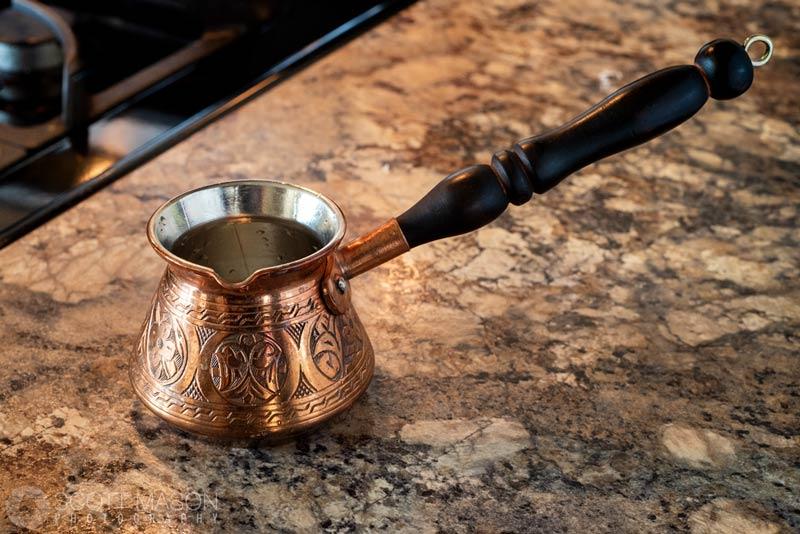
- Place the cezve over low heat. Allow it to warm slowly without boiling—about 3-4 minutes.
- As foam rises, remove from heat just before it overflows. Spoon foam into cups.
- Return to heat briefly to settle grounds, then pour slowly into cups, distributing grounds evenly.
Serve immediately with a glass of water to cleanse the palate. This method highlights the artistry of artisanal coffee, producing a drink that’s strong yet nuanced.
For variations, try menengiç coffee (from pistachio-like beans) for a caffeine-free twist on non-alcoholic recipes.
Travel Connection: Experiencing Coffee Abroad and at Home
Turkish coffee shines in top travel destinations like Istanbul, where historic cafés offer immersive culinary tourism. Iconic spots such as Mandabatmaz in Beyoğlu serve thick, foamy cups in timeless settings, while Fazıl Bey in Kadıköy pairs it with fresh roasts.
Beyond Turkey, the tradition thrives in the Balkans, including Bosnia, where Bosnian coffee follows similar methods. Visit Sarajevo’s old town cafés for a regional take amid Ottoman architecture.
These experiences tie into foodie travel, blending local beverages with history. Festivals and coffee ceremonies further enrich culinary tourism, inviting you to savor coffee amid vibrant cultures.
Insider Tips for Enjoying Coffee
To elevate your Turkish coffee experience:
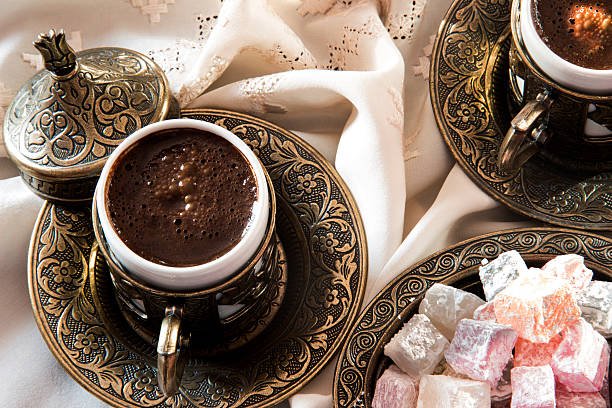
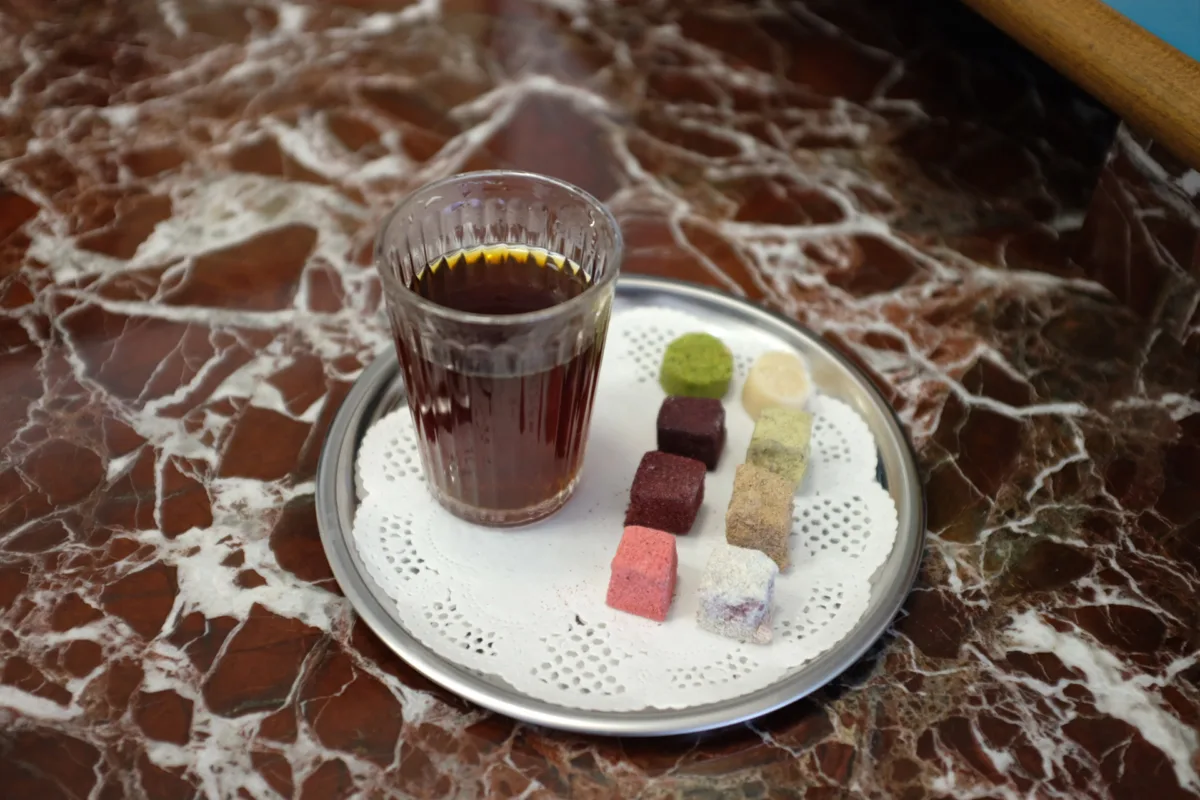
- Pairings: Balance its intensity with sweets like lokum (Turkish delight) or baklava. Fresh berries add a lighter touch for modern non-alcoholic recipes.
- Fortune Telling: A fun tradition—after sipping, flip the cup onto the saucer. Patterns in the grounds inspire tasseography readings, adding whimsy to gatherings.
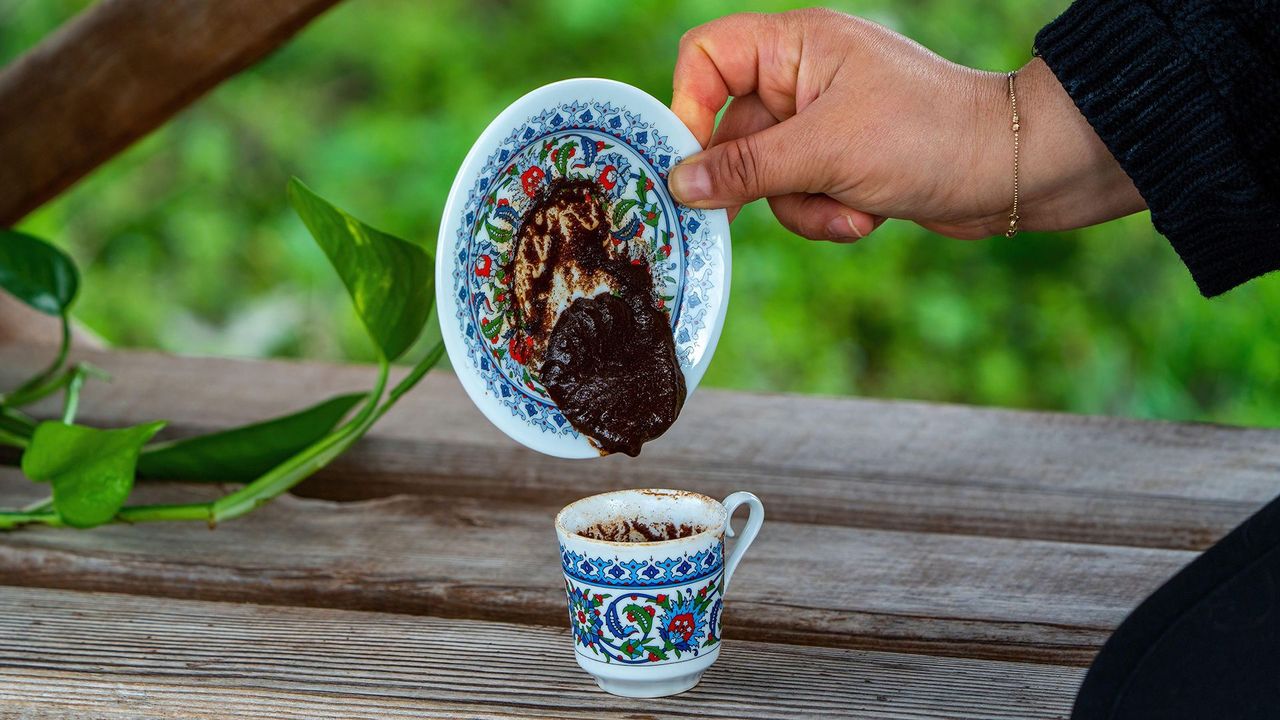

- Best Practices: Use fresh grounds for optimal flavor. Sip slowly, leaving grounds at the bottom. In cafés, order by sweetness level for personalization.
These tips make coffee perfect for foodie travel, whether recreating the recipe at home or seeking the best in Istanbul.
Turkish coffee is a must-try for anyone passionate about local beverages and culinary tourism. Its rich history, simple yet precise recipe, and enduring traditions make it an enduring symbol of hospitality. From artisanal coffee brewing to shared moments over foam-topped cups, it enhances travel experiences and daily rituals alike.
Embrace this UNESCO treasure on your next culinary journey—brew a cup, pair it with sweets, and let its flavors transport you to vibrant local drink traditions. Sip local, savor deeply, and discover why coffee remains timeless.



Goinbet7 is decent, has got a fair range of casino options and sports. Nothing amazing, but solid and trustworthy enough. Have a look yeah? Find it here: goinbet7