The modern traveler is increasingly looking for more than just a comfortable bed; they are seeking a deeper connection to their destination. This shift has fueled the rise of “Sense of Place” openings, a movement where international hotel brands prioritize local heritage over cookie-cutter luxury. Two of the most anticipated examples of this trend in 2026 are the Six Senses Milan and The Knox Dallas. Both properties represent a departure from standardized hospitality, opting instead to weave the specific DNA of their neighborhoods into the guest experience. While Milan focuses on the intersection of historic artistry and wellness, Dallas is bridging the gap between sophisticated urban living and the natural beauty of the Katy Trail.
Understanding the Shift Toward Authentic Localism
For decades, luxury hotels focused on consistency. A guest knew exactly what to expect from a high-end suite whether they were in Tokyo or London. However, the current hospitality landscape is pivoting toward “Sense of Place” openings. This philosophy dictates that a hotel should function as a mirror to its surroundings, utilizing local materials, regional craftsmanship, and neighborhood-specific narratives.
In 2026, this trend is reaching a fever pitch as travelers prioritize “slow travel” and cultural authenticity. Properties like the Six Senses Milan are not just being built; they are being curated to reflect the Brera District’s artistic soul. Similarly, The Knox Dallas is designed to feel less like a transient hotel and more like a permanent fixture of the vibrant Knox Street corridor. This approach helps travelers feel grounded in their location from the moment they check in.
Six Senses Milan: An Artistic Anchor in Brera
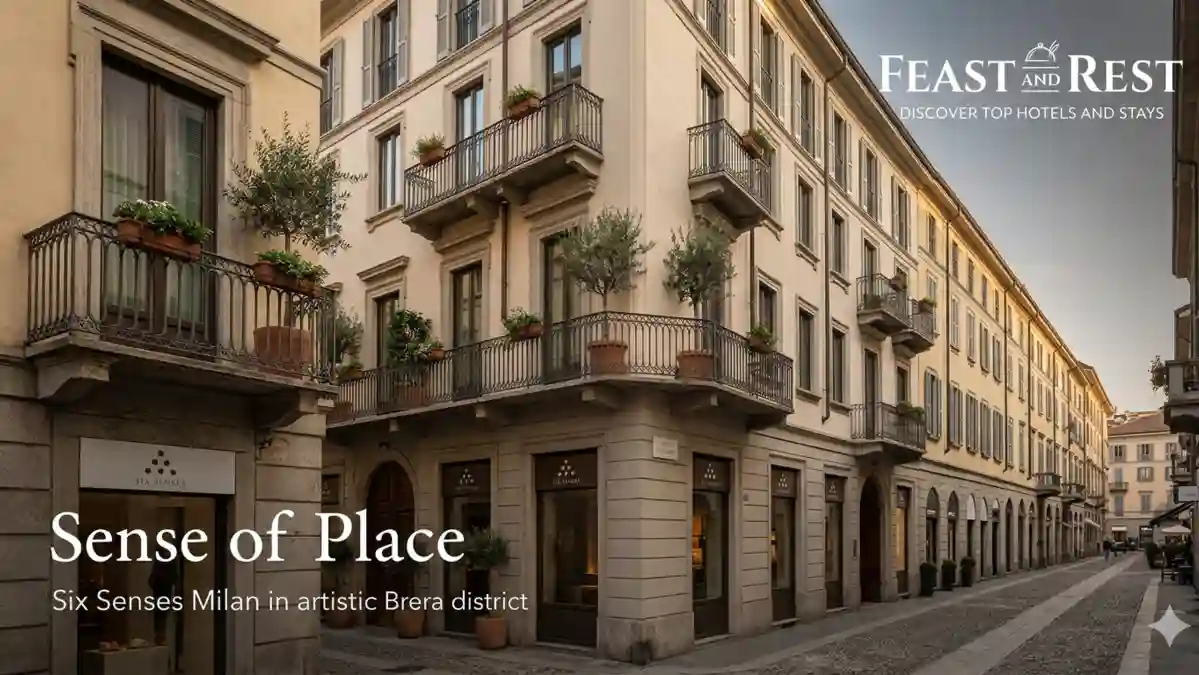
Located in the heart of the Brera district, the Six Senses Milan is a flagship example of how a global wellness brand can adapt to an urban European context. Brera is often referred to as the “artistic heart” of Milan, home to the Pinacoteca di Brera and numerous independent galleries. According to project details, the hotel occupies a historic building that has been meticulously restored to maintain its architectural integrity while introducing modern sustainability standards.
The design reportedly draws heavily from Milanese mid-century aesthetics, utilizing stone, timber, and brass—materials synonymous with the city’s industrial and artistic history. For travelers visiting during the busy Salone del Mobile or the autumn fashion weeks, the property offers a quiet, curated atmosphere that feels distinctly Italian. It is a stay designed for those who value quiet luxury and the ability to walk to some of the world’s most famous landmarks within minutes.
The Knox Dallas: Redefining the Texas Urban Experience
Across the Atlantic, The Knox Dallas is making a similar statement in the Southern United States. Situated in the Knox-Henderson neighborhood, this development is part of a larger effort to create walkable, high-end lifestyle hubs in Dallas. Unlike the sprawling luxury hotels of the past, The Knox is being built with a direct connection to the Katy Trail, a beloved green artery in the city.
The core angle here is “urban convenience meets outdoor wellness.” By integrating the hotel into a mixed-use space featuring luxury residences and retail, the developers are ensuring that guests feel like part of the local community. Based on available information, the architecture aims to blend the warmth of Texas hospitality with a sleek, contemporary aesthetic that avoids the typical “Big D” clichés. It caters specifically to the modern professional and the weekend traveler who wants proximity to upscale dining without the sterility of a traditional business district.
Key Features and Signature Amenities
Both properties utilize their surroundings to dictate their amenity offerings. In Milan, the focus is naturally on wellness and culinary sophistication, while in Dallas, the emphasis is on lifestyle integration and accessibility.
| Feature | Six Senses Milan | The Knox Dallas |
| Primary Vibe | Artistic, Serene, Historical | Modern, Active, Community-focused |
| Highlight Amenity | Biohacking-focused Spa | Direct Katy Trail Access |
| Design Language | Milanese Mid-century | Contemporary Texas Urbanism |
| Best For | Art lovers & Wellness seekers | Business travelers & Socialites |
| Sustainability | Historic restoration & zero-waste goals | LEED-certified mixed-use design |
The Culinary Narrative of Sense of Place Openings
A significant component of the rise of “Sense of Place” openings is the culinary program. Hotels are moving away from generic international menus in favor of “hyper-local” sourcing. At the Six Senses Milan, guests can expect a menu that highlights the flavors of Lombardy, featuring seasonal ingredients from nearby organic farms. The dining spaces are designed to attract locals as much as guests, fostering a “neighborhood living room” atmosphere.
In Dallas, The Knox is expected to capitalize on the city’s sophisticated palate. Reportedly, the property will feature indoor-outdoor dining options that take advantage of the Texas climate. By partnering with local chefs or emphasizing regional ranch-to-table concepts, the hotel positions itself as a destination for food enthusiasts. This strategy ensures the hotel remains relevant to the local population, which in turn provides an authentic social environment for international visitors.
Design and Architecture: Lessons in Context
The architecture of these new stays avoids the “glass box” syndrome. Architects working on “Sense of Place” openings are tasked with a difficult balance: creating a building that stands out while simultaneously looking like it has always belonged.
Milanese Materials: In Milan, this involves the use of Ceppo di Gré stone and intricate ironwork that mimics the balconies found throughout the Brera district.
Dallas Connectivity: In Dallas, the focus is on transparency and flow. Large windows and terrace spaces at The Knox are designed to bring the “outside in,” connecting guests visually and physically to the greenery of the nearby trail and the activity of the street.
These design choices are intentional. They provide “information gain” for the guest—by simply being in the building, the traveler learns something about the geography and style of the city.
Practical Planning for 2026 Travels
For those looking to experience these properties, timing is essential. Milan is best visited in late spring (May and June) or during the early autumn (September), when the weather is mild and the city’s outdoor cafes are in full swing. Keep in mind that during major events like Fashion Week, availability at the Six Senses Milan will likely be limited and require booking months in advance.
The Knox Dallas is a fantastic choice for a spring visit, specifically in March or April, when the Texas wildflowers are in bloom and the Katy Trail is at its most vibrant. For business travelers, its location provides a more relaxed alternative to the Downtown or Uptown corridors while remaining within a ten-minute drive of major corporate offices.
Why This Trend Matters for the Future of Travel
The rise of “Sense of Place” openings suggests that the luxury market is maturing. Travelers are no longer satisfied with being “anywhere”; they want to be “somewhere.” Whether it is the quiet, historic luxury of a Milanese palazzo or the high-energy, sun-drenched streets of Dallas, these hotels provide a shortcut to cultural immersion.
As the hospitality industry continues to evolve in 2026, the success of these properties will likely depend on how well they maintain their connection to their respective communities. For the guest, this means more meaningful interactions, more thoughtful design, and a stay that lingers in the memory long after checkout.
Stay sharp with Feast and Rest.
Source and Data Limitations:
Information Sources: Data regarding Six Senses Milan and The Knox Dallas is based on official developer press releases, architectural renderings, and municipal planning records available as of early 2026.
Project Timelines: Construction and opening dates for luxury hospitality projects are subject to change due to supply chain variables or local permitting; readers should verify exact opening dates via official booking channels.
Conflicting Reports: Some early reports regarding the number of suites at the Milan property have varied; this article utilizes the most recent architectural site plans.
Exclusions: Specific room pricing and finalized restaurant names have been excluded where they have not been publicly confirmed by the brands to ensure accuracy.
Limitations: While both properties emphasize sustainability, full third-party certifications (such as final LEED ratings) are often only granted post-occupancy.