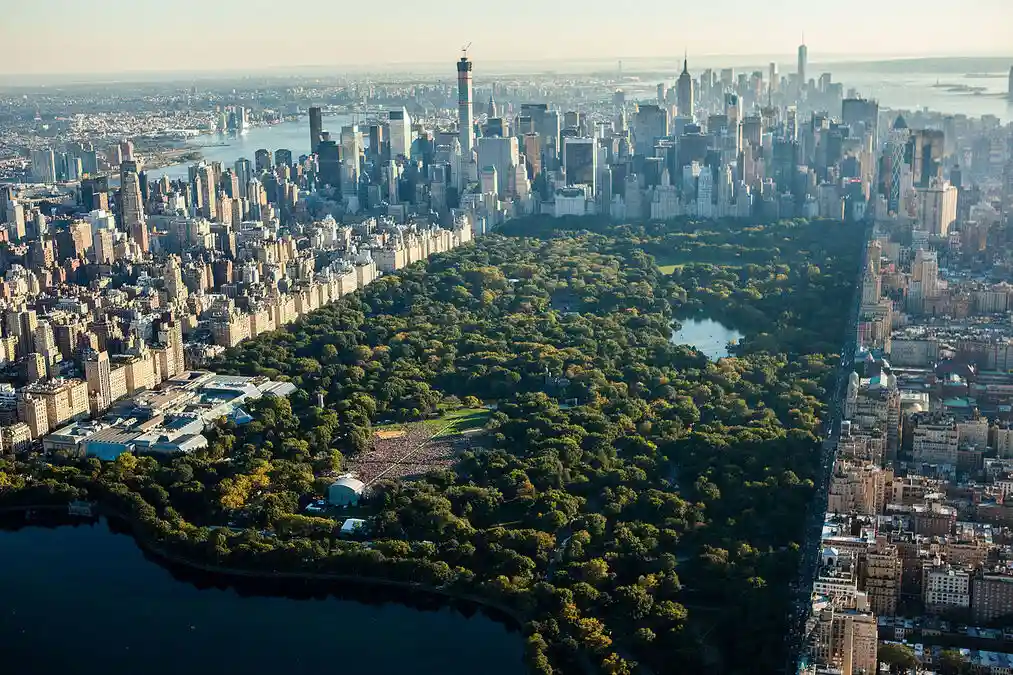
Nestled in the heart of Manhattan, Central Park stands as an emerald oasis amid the skyscrapers of New York City, drawing millions of visitors each year with its blend of natural beauty, historical depth, and vibrant energy. As one of the top travel destinations in the world, Central Park offers a unique escape where urban sophistication meets serene landscapes, making it a pinnacle of cultural tourism. Whether you’re a first-time traveler or a seasoned explorer, this Central Park travel guide will unveil why it’s a must-visit spot, celebrated for its heritage sites and role in inspiring countless journeys. Spanning 843 acres, the park isn’t just a green space—it’s a living testament to innovative design and community spirit, inviting you to immerse in activities that highlight New York’s diverse culture. From leisurely strolls along tree-lined paths to engaging in global festivals, Central Park embodies the essence of tourist spots that foster connection and wonder. Its significance lies in providing a respite from city life while showcasing artistic and architectural marvels that have influenced urban planning globally. As you plan your dream vacation, consider how this iconic destination sparks cultural wanderlust, blending history with modern-day allure in ways that few places can match.
Overview Of Central Park
Central Park’s history dates back to the mid-19th century when visionary landscape architects Frederick Law Olmsted and Calvert Vaux won a design competition in 1858 to create a public park that would offer New Yorkers a refuge from the industrial boom. Constructed over 15 years with the labor of thousands, including many immigrants, the park transformed rocky swampland into a masterpiece of engineered nature, complete with man-made lakes, bridges, and meadows. This heritage site not only represents a triumph of landscape architecture but also reflects broader themes in American history, such as the push for public spaces during rapid urbanization. Today, as one of the top travel destinations, Central Park attracts over 42 million visitors annually, serving as a cultural hub where people from all walks of life converge.
The park’s unique vibe is a harmonious mix of tranquility and excitement—a bustling city retreat where joggers share paths with horse-drawn carriages, and picnickers relax under ancient elms. Its cultural significance is profound; it’s a symbol of inclusivity, having hosted pivotal events like civil rights gatherings and anti-war protests. For cultural tourism enthusiasts, Central Park offers a microcosm of New York’s melting pot, with influences from around the world evident in its art installations, performances, and diverse visitor base. Unlike typical tourist spots, it evolves with the seasons: blooming cherry blossoms in spring, vibrant foliage in fall, and snowy wonderlands in winter. This dynamic atmosphere makes it an enduring favorite among destination guides, inspiring travelers to appreciate how green spaces can enrich urban life. Whether you’re seeking solitude in wooded areas or the energy of open lawns, Central Park’s vibe captures the soul of the city, blending heritage with contemporary appeal.
Landmarks and Hidden Gems Of Central Park
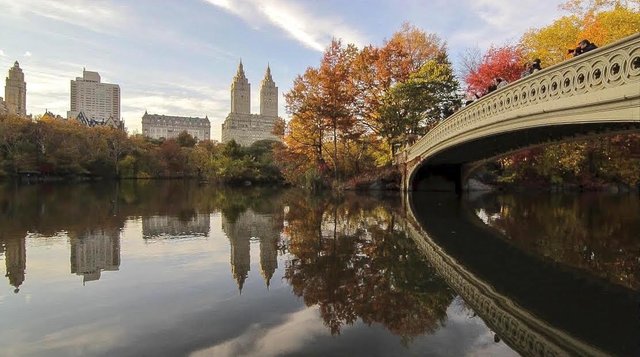
Central Park boasts an array of iconic landmarks that define its skyline and draw crowds year-round. At the forefront is Bethesda Terrace and Fountain, a stunning architectural gem overlooking the lake, where the Angel of the Waters statue stands as a symbol of healing and peace. Nearby, Belvedere Castle offers panoramic views from its turreted heights, serving as both a scenic overlook and a nod to Victorian Gothic design. The Bow Bridge, with its elegant cast-iron arches, is a romantic staple often featured in films, connecting the Ramble to Cherry Hill. Strawberry Fields, a peaceful memorial to John Lennon, features the famous “Imagine” mosaic, surrounded by lush plantings donated from around the world. These heritage sites exemplify why Central Park is among the top travel destinations, blending art, nature, and history seamlessly.
Beyond the well-trodden paths lie hidden gems that reward the adventurous explorer. The Ramble, a 36-acre woodland maze, feels like a wild forest with winding trails, birdwatching spots, and rustic bridges—perfect for those seeking solitude in cultural tourism. The Conservatory Garden, divided into Italian, French, and English styles, bursts with seasonal blooms and provides a serene escape from the crowds. Lesser-known is the Hallett Nature Sanctuary, a four-acre preserve once closed to the public, now open for quiet reflection amid native flora and fauna. Seneca Village site honors the history of a displaced 19th-century African American and Irish community, adding layers of cultural depth to tourist spots. For a whimsical touch, the Swedish Cottage Marionette Theatre hosts puppet shows in a charming imported structure. These cultural gems invite deeper exploration, making Central Park a treasure trove for travelers curating personalized travel itineraries. The best cultural sites in Central Park, like the Blockhouse—a remnant of the War of 1812—offer glimpses into forgotten eras, enhancing the park’s allure as a multifaceted destination.

Cultural Experiences Of Central Park
Central Park pulses with cultural experiences that celebrate diversity and creativity, making it a hotspot for global festivals and traditional activities. One of the highlights is the Harlem Meer Performance Festival, held at the northern end of the park, featuring multicultural music, dance, and entertainment that reflects New York’s vibrant communities. SummerStage, part of the City Parks Foundation, transforms Rumsey Playfield into a stage for free concerts spanning genres from jazz to hip-hop, drawing international artists and locals alike. The Global Citizen Festival, an annual event advocating for social change, has hosted stars like Beyoncé and Coldplay, blending activism with entertainment on the Great Lawn. These global festivals underscore Central Park’s role in cultural tourism, fostering connections through shared artistic expressions.
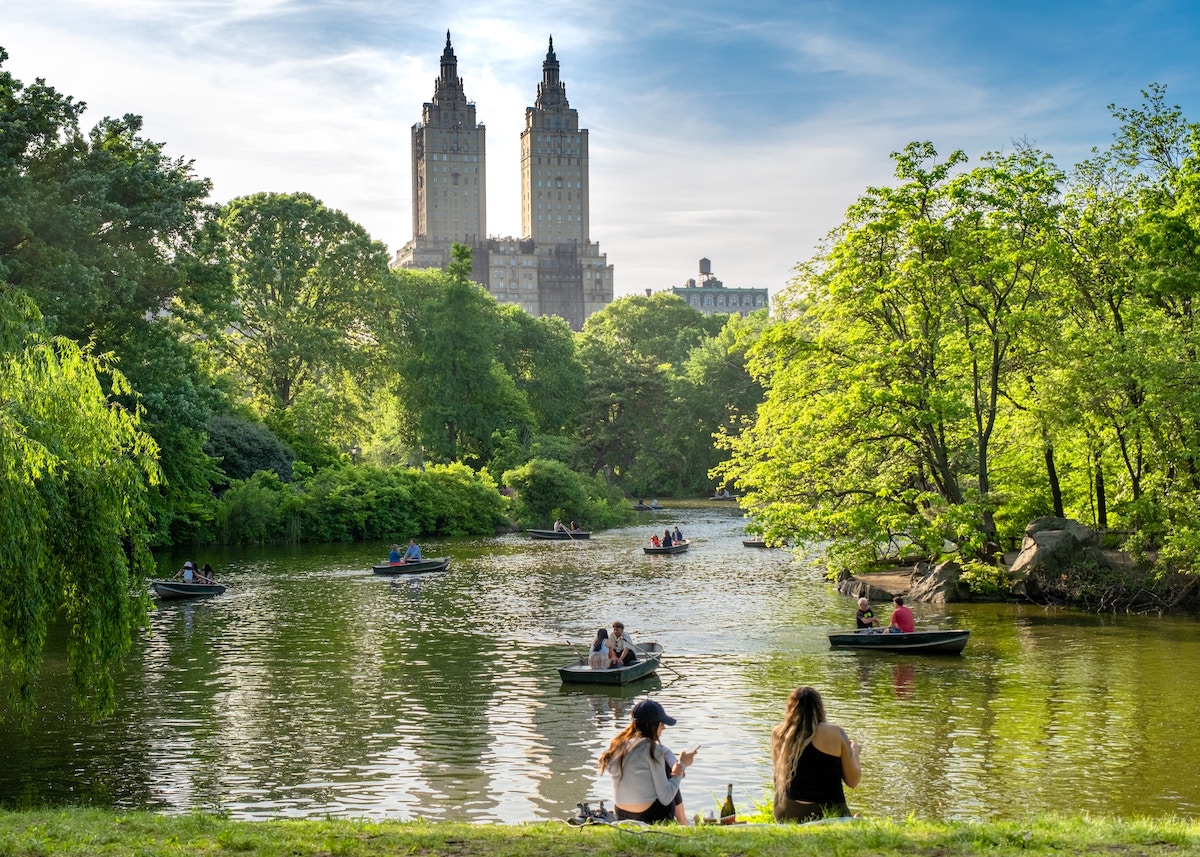
Traditional activities abound, inviting visitors to partake in timeless customs. Rowboating on the Lake offers a leisurely way to enjoy the scenery, a practice dating back to the park’s early days. In winter, Wollman Rink becomes a hub for ice skating, evoking nostalgic holiday vibes with twinkling lights and hot cocoa stands. Shakespeare in the Park at the Delacorte Theater presents free performances of the Bard’s works under the stars, a beloved tradition since 1962 that democratizes theater. For a more interactive experience, join yoga sessions on Sheep Meadow or birdwatching tours in the North Woods, where over 230 species have been spotted. Cultural practices like tai chi groups in the early mornings highlight the park’s inclusive spirit. Exploring top attractions in Central Park during events like the Great Jazz on the Great Hill amplifies the sense of community, where picnics and improvisational jams create spontaneous cultural moments. These experiences not only entertain but also educate, inspiring travelers to embrace New York’s eclectic heritage through immersive participation.
Insider Tips
To make the most of your Central Park adventure, timing and preparation are key in this bustling destination guide. The best times to visit are spring (April-May) for cherry blossoms and mild weather, or fall (September-October) for colorful foliage and fewer crowds—avoiding the peak summer heat and winter chill enhances comfort. Start your day early to beat the throngs at popular tourist spots like Bethesda Terrace; entering from the south near Columbus Circle provides easy access to major landmarks. For travel itineraries, consider a three-hour loop: Begin at the Zoo, wander to the Mall, cross Bow Bridge, and end at Belvedere Castle for sunset views. Rent a bike from Citi Bike stations for efficient exploration, covering more ground while enjoying the breeze.
Local dining adds flavor without leaving the park—grab artisanal sandwiches from food carts or picnic with provisions from nearby Whole Foods, focusing on seasonal treats like fresh berries in summer. For cultural tourism buffs, join free guided tours by the Central Park Conservancy, which delve into history and ecology; download their app for self-guided audio walks. Navigate hidden gems like the Ramble by sticking to marked paths to avoid getting lost, and wear comfortable shoes for the varied terrain. If attending global festivals, check the calendar in advance—events like SummerStage are free but popular, so arrive early for prime spots. Families will love the Carousel or playgrounds, while solo travelers can find peace in quieter northern sections. Sustainability tips include carrying reusable water bottles (fountains abound) and respecting wildlife by not feeding animals. These insider suggestions transform a simple visit into a tailored experience, helping you craft memorable travel itineraries that capture Central Park’s essence as one of the top travel destinations.
In summary, Central Park remains an unparalleled gem among top travel destinations, offering a rich tapestry of heritage sites, cultural experiences, and natural wonders that ignite the spirit of exploration. From its historic landmarks and hidden cultural gems to vibrant global festivals and traditional activities, the park invites travelers to connect with New York’s dynamic culture in profound ways. As a beacon of cultural tourism, it inspires us to seek out spaces that blend history with modernity, fostering moments of joy and reflection. Whether you’re plotting travel itineraries for a solo escape or a family adventure, Central Park promises transformative encounters that linger long after you leave. Embrace the call to wander its paths, discover its stories, and plan your dream vacation in this iconic haven—your journey into cultural wanderlust awaits.